
Lantern Festival Planning Guide The strongest lantern festival ideas do more than create a beautiful night scene. They fit the venue, appeal to a defined visitor group, support a clear marketing message and turn an existing outdoor space into an attraction people are willing to visit—and pay to experience—after dark. For parks, zoos, botanical gardens, scenic areas, resorts, cities and commercial venues, the right theme helps organize the entrance, walking route, signature landmarks, photo points, rest areas and commercial zones into one coherent visitor journey. This guide compares 15 commercial lantern festival themes by venue fit, visitor appeal and business value.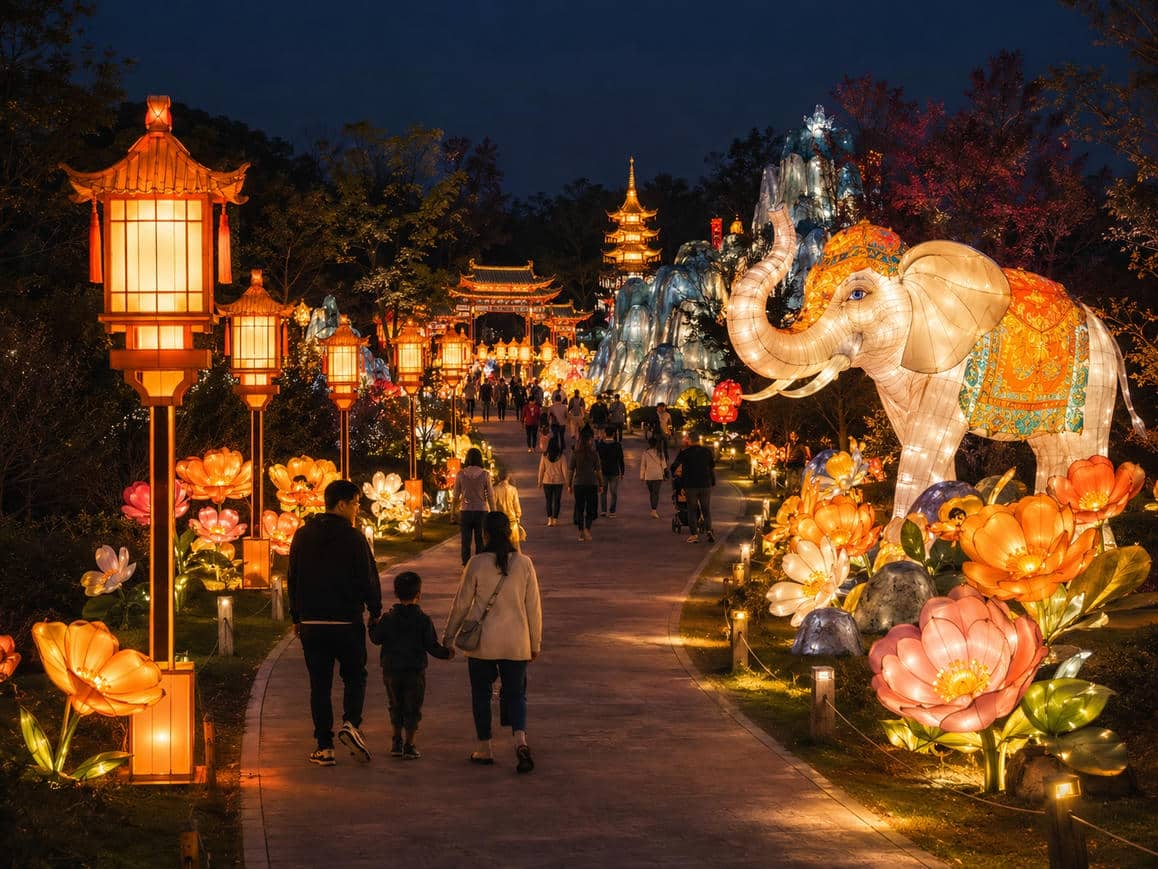
Compare Complete Lantern Scenes, Not Just Individual Shapes
A useful way to compare lantern festival ideas is to compare complete scenes rather than isolated shapes. “An elephant,” “a butterfly” and “an ocean theme” describe different levels of a design: an individual figure, a possible focal point and a wider setting. Before choosing more pieces, decide how the elements will belong together.
Start with the main subject, then consider its surroundings. An animal can be paired with smaller figures and plants. A flower can be the central feature or provide a setting for insects. An underwater scene can combine one prominent sea creature with fish, coral and seagrass. These are design options, not fixed packages or a requirement to include every element.
In our project work, selecting a theme is the beginning of the composition discussion. We normally develop several groupings within that theme to give the display variety. Keeping one theme does not mean repeating a single arrangement everywhere; it means giving different combinations a shared visual direction.
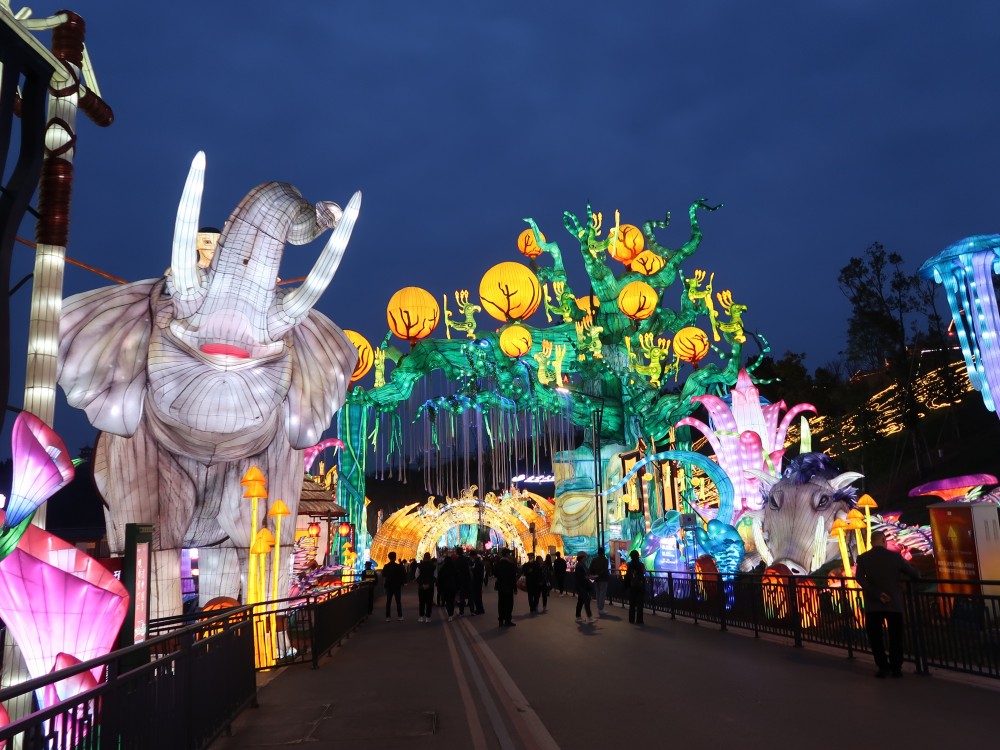
Make Three Visual Choices Clear
Style: Decide whether the scene should look realistic, stylized or deliberately cartoon-like. A realistic animal and a playful character version communicate different ideas. If both appear in one proposal, ask to see how they will form a consistent composition.
Relative size: Review the relationship between pieces, not only the height of the largest lantern. A giant butterfly above smaller flowers creates a different image from a small butterfly beside one oversized bloom. Neither is automatically the right choice; the intended visual focus should guide the comparison.
Grouping and color: Look at the whole arrangement from the intended main viewing direction. Which element is noticed first? Do supporting pieces frame it, overlap it or compete with it? Ask for the proposed grouping and colors to be shown together before judging each sculpture separately.
The direction of approach matters. When people approach a scene along a passage, we generally position the main figure so its face or recognizable front is visible to them, rather than presenting the backs of all the figures. Supporting pieces and the background then follow the actual site. This does not mean every figure must face straight ahead; the composition should be reviewed from the direction in which people will first see it.

Find a Detailed Reference for Your Preferred Direction
| Direction | A composition to discuss | Detailed reading |
|---|---|---|
| Wildlife | A main animal, smaller companion figures and plants that establish its setting | Jungle animal lantern display ideas |
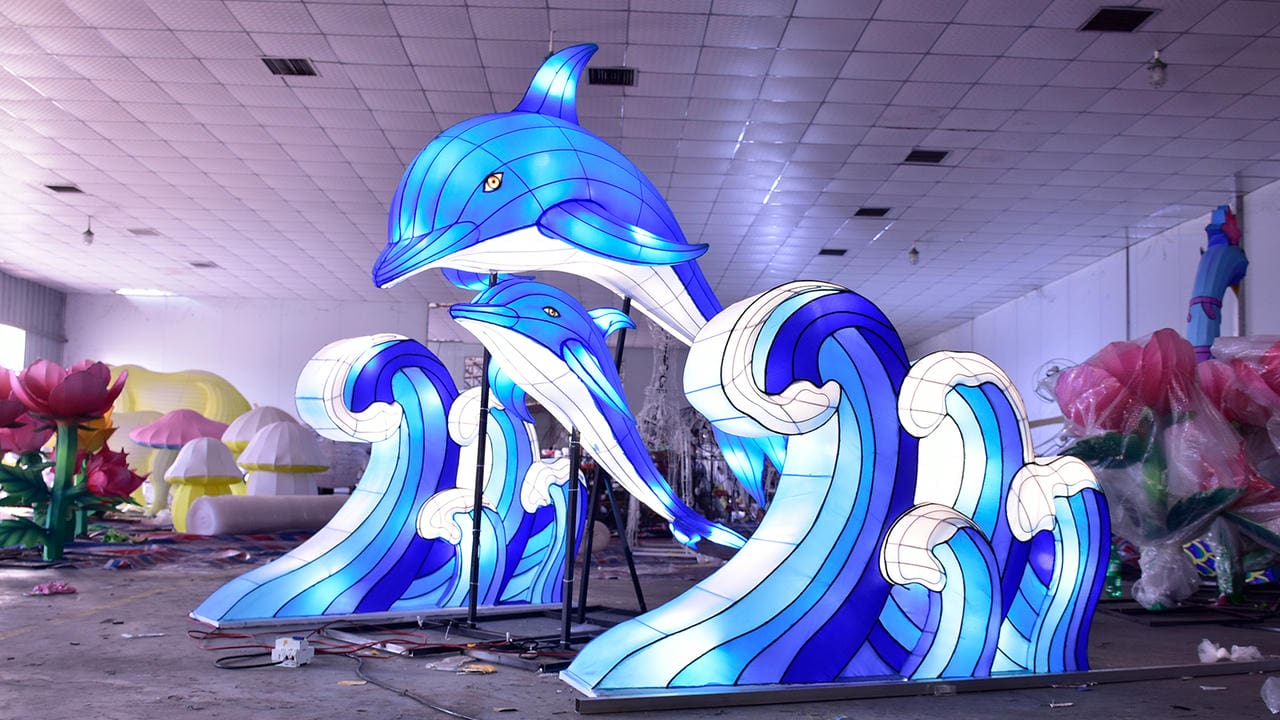
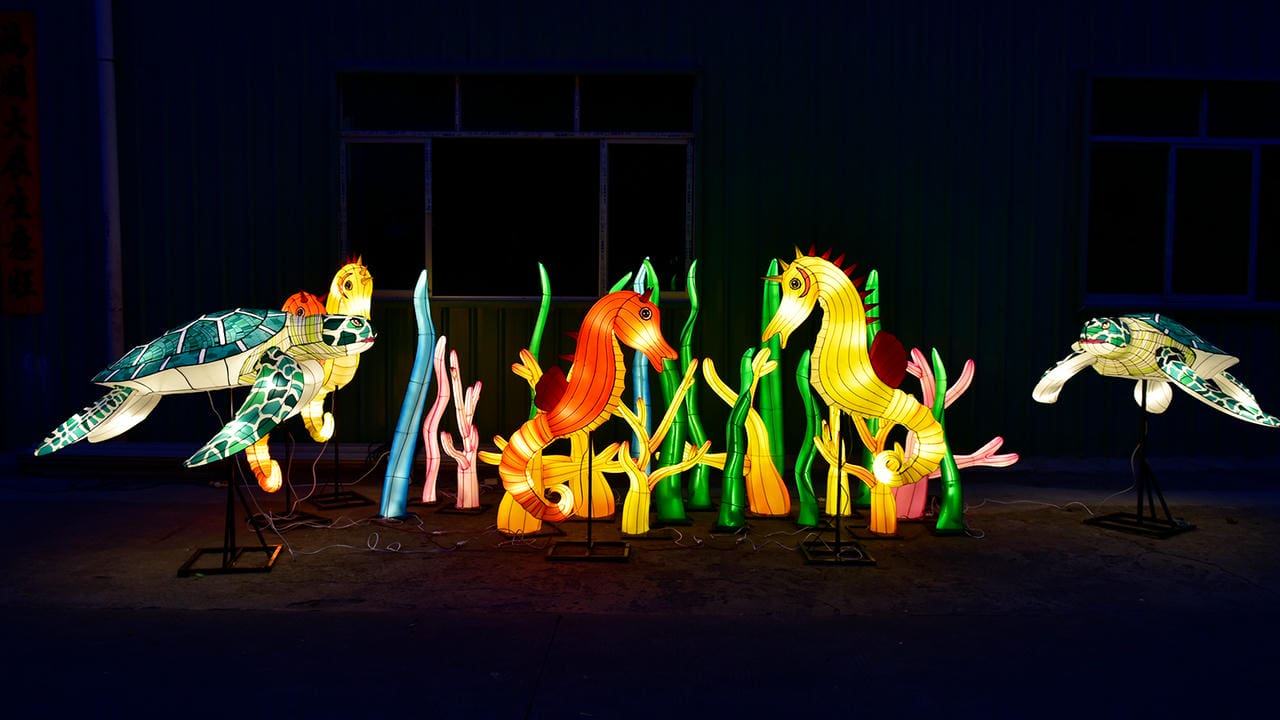
| Ocean | A prominent marine animal with fish, coral or seagrass as supporting elements | Ocean animal lantern display ideas |
| Flowers | A large bloom, a repeated floral group or an arch, with a clear choice of focal point | Flower lantern display ideas |
| Insects | Butterflies, dragonflies or bees combined with flowers and foliage | Insect lantern display ideas |
These articles provide different starting points for a design discussion. Selecting a reference does not mean ordering an identical scene, and images from separate articles should not be treated as one completed project.
Keep the Handmade Centerpiece When Adjusting the Budget
When a proposal exceeds the available budget, our usual approach is to retain the main custom-made lantern scene and reconsider its supporting decoration. The centerpiece carries the distinctive shape and visual identity; not every smaller element needs to be individually handmade in the same way.
We may combine the large handmade lanterns with mass-produced decorative lighting, such as ground-stake lights, vacuum-formed decorative light elements or other repeatable lighting products. In our experience, using these products for selected supporting areas is generally more economical than making all of those elements as bespoke handmade lanterns. The actual difference depends on the products and quantities selected, so this is a design approach, not a fixed saving.
The aim is to keep a rich composition while directing the custom fabrication budget toward its main feature. Main lanterns and supporting lights should still be considered together as one scene, rather than chosen as unrelated items solely because they cost less.
You do not need a finished composition to begin the conversation. A venue plan, the intended display area and a broad theme provide a useful starting point. Mark what you like in a reference—its pose, color, scale or overall grouping—rather than asking for an unspecified copy of the whole picture.
For the wider project context, explore our Lantern Festival display solutions. Keep the theme references and the venue information together so the discussion can move from “we like this animal” to “this is the scene we want to develop.”
Which Lantern Festival Theme Best Fits Your Venue?
Start with the result the project must achieve. A theme that works for a family zoo may not be the best choice for a city tourism campaign or a resort. The comparison below provides a practical starting point.
| Project Goal | Themes to Consider First | Why They Work |
|---|---|---|
| Build zoo attendance after dark | Animals, wildlife and conservation | Extends the zoo’s existing identity into a family nighttime experience. |
| Attract families and school groups | Dinosaurs and educational themes | Offers a clear promotional message with entertainment and learning value. |
| Create a recognizable event landmark | Dragons, mythical creatures and castles | Produces a strong image for tickets, posters, video and media coverage. |
| Use a garden or natural landscape | Flowers, insects and fantasy forest | Integrates naturally with trees, lawns, pathways, water and real plants. |
| Extend winter operations | Winter lantern and Christmas themes | Supports seasonal tickets, food and beverage, holiday packages and markets. |
| Strengthen destination identity | Local landmarks and city culture | Builds local relevance and can support tourism, media and municipal goals. |
| Increase photos and organic sharing | Interactive arches, tunnels and photo zones | Encourages visitor-generated content and keeps the event visible online. |
| Add sponsorship revenue | Brand activation and sponsor zones | Creates structured opportunities for naming rights, retail and promotions. |
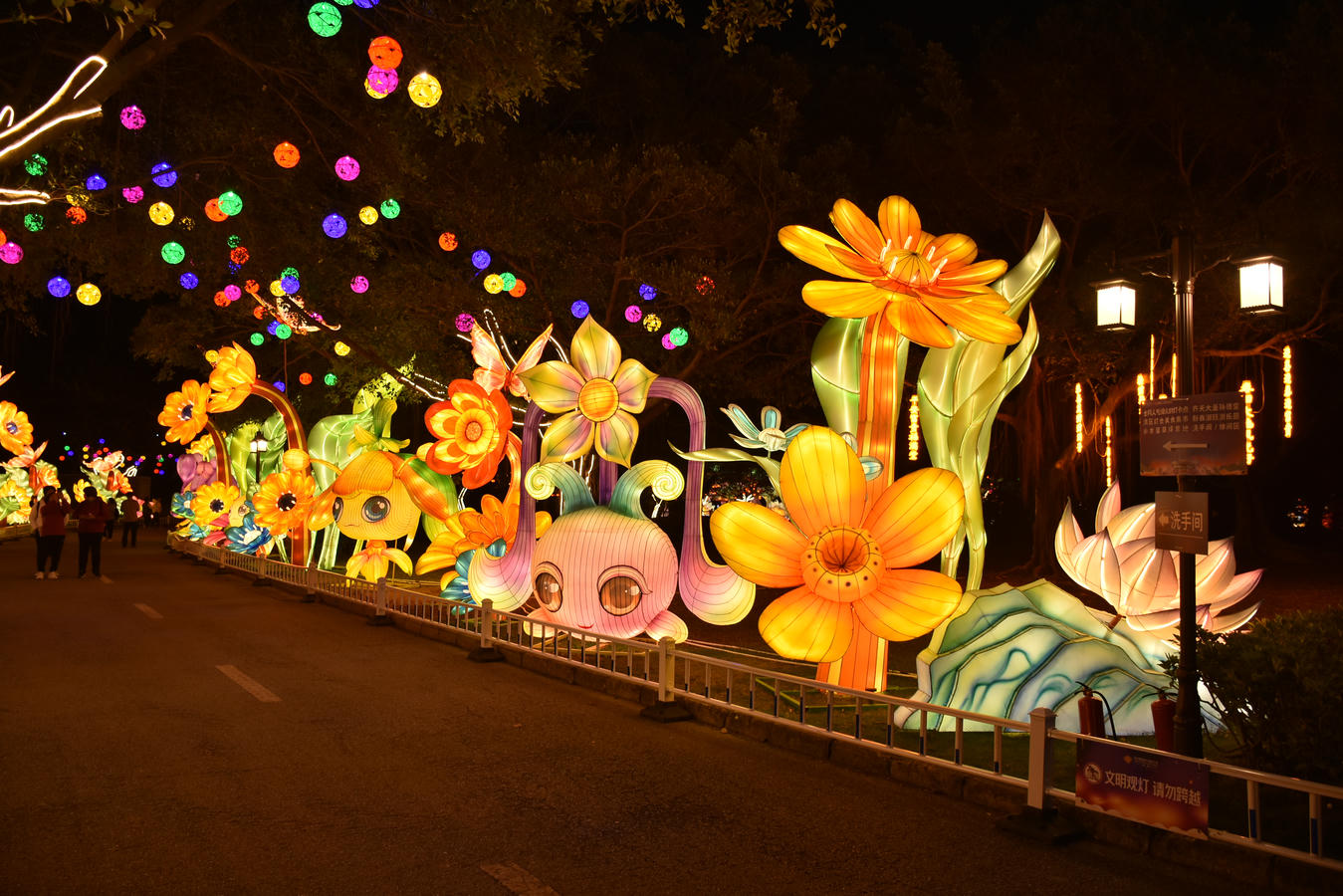
15 Commercial Lantern Festival Ideas
1. Animal and Wildlife Lantern Festival
Animal themes are a natural fit for zoos, wildlife parks, family parks, botanical gardens and nature education venues. Giraffes, elephants, zebras, tigers, deer, birds, butterflies, insects and marine animals can be designed as realistic species, child-friendly characters or parts of a conservation story.
The theme is immediately understandable to visitors and can follow existing paths by habitat or species. Interpretation panels, children’s activity cards, zoo mascots and conservation messages can add educational value without turning the route into a text-heavy exhibition.
For venue-specific planning, explore our zoo lantern festival solutions.
2. Dinosaur Lantern Festival
A dinosaur lantern festival gives family audiences a clear reason to visit. A commercial route may include a large Tyrannosaurus rex landmark, long-necked dinosaurs, egg photo scenes, young dinosaurs, prehistoric plants and a volcanic finale.
The key is to create a prehistoric journey rather than scatter unrelated dinosaurs around the venue. Establish the promise at the entrance, build discovery through the middle of the route and connect the final zone to educational content, souvenirs or a paid photo experience. This structure supports marketable event names such as “Jurassic Lantern Night” or “Prehistoric Night Adventure.”
See how a complete dinosaur lantern festival display can be designed for parks and zoos.
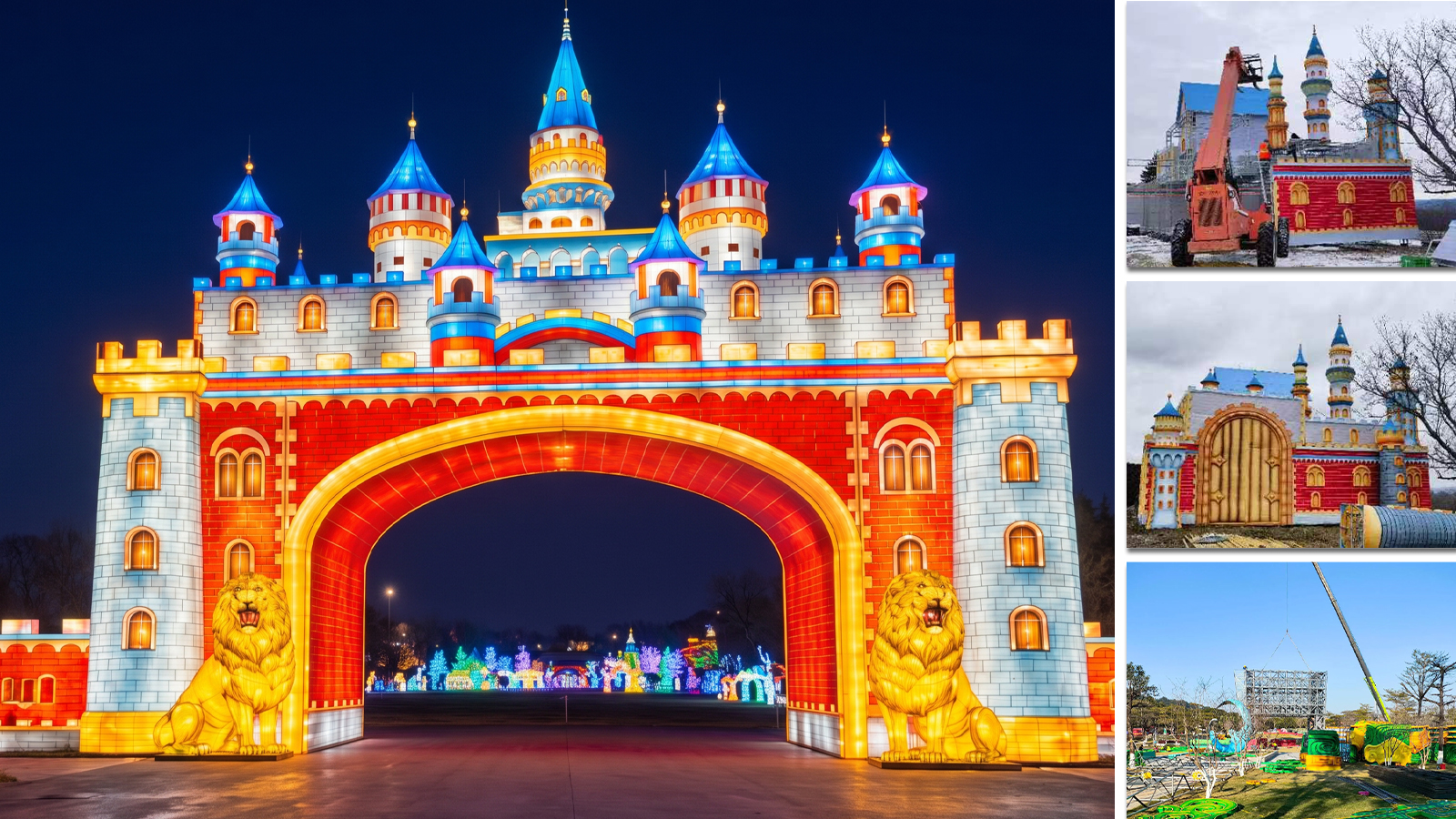
3. Chinese Cultural Lantern Festival
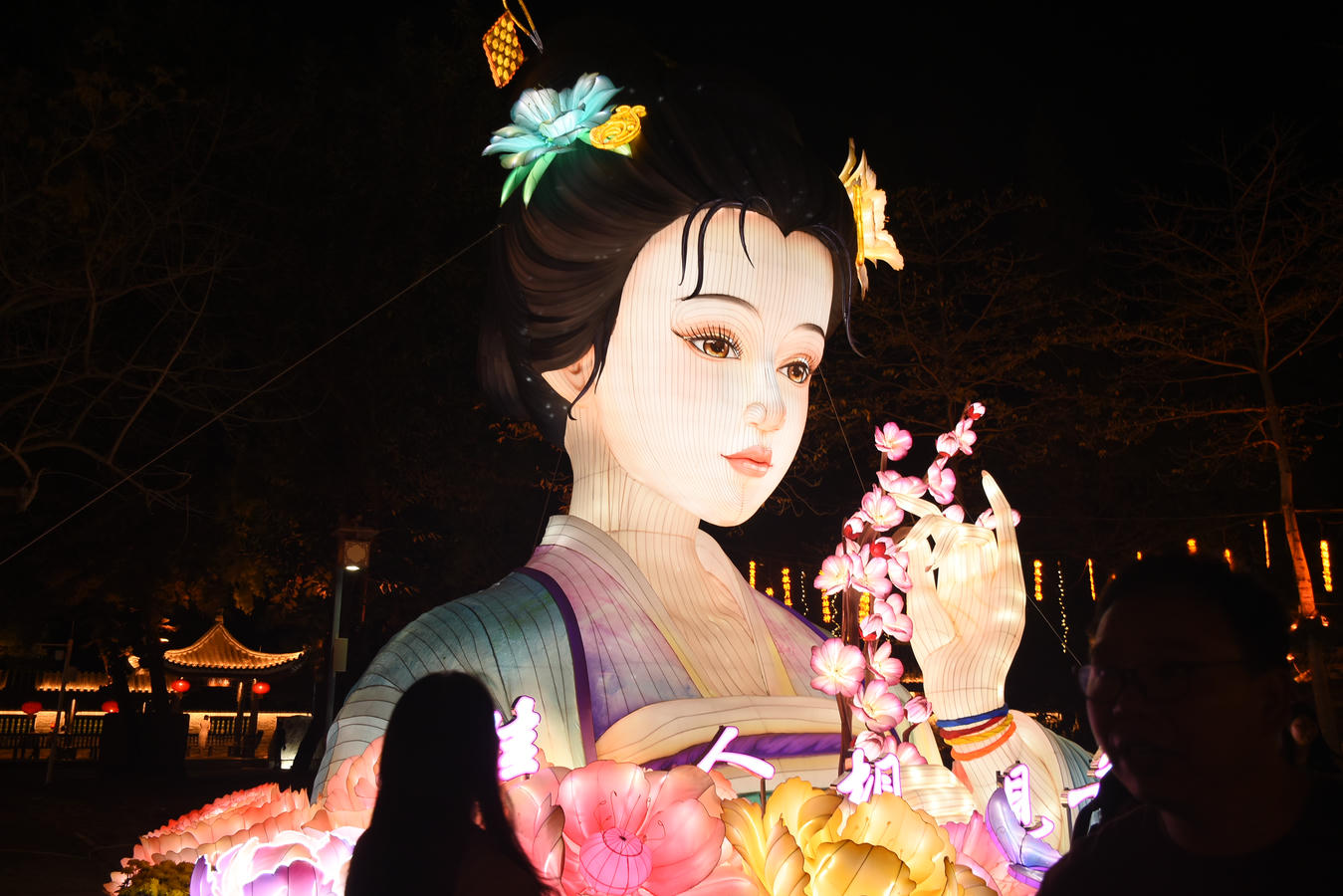
Traditional figures, palace lanterns, zodiac animals, flowers, festival patterns and cultural stories can form a highly recognizable Chinese cultural theme. For international audiences, however, the project should not rely on unexplained symbols. A stronger approach uses Chinese lantern craftsmanship as the visual language while presenting a small number of stories in a way local visitors can easily understand.
This theme works well for Lunar New Year, Asian cultural festivals, city celebrations and major park events. A clear entrance story, one or two signature cultural scenes and concise interpretation are usually more effective than a dense collection of unrelated motifs.
View our approach to Chinese lantern festival displays for international outdoor venues.
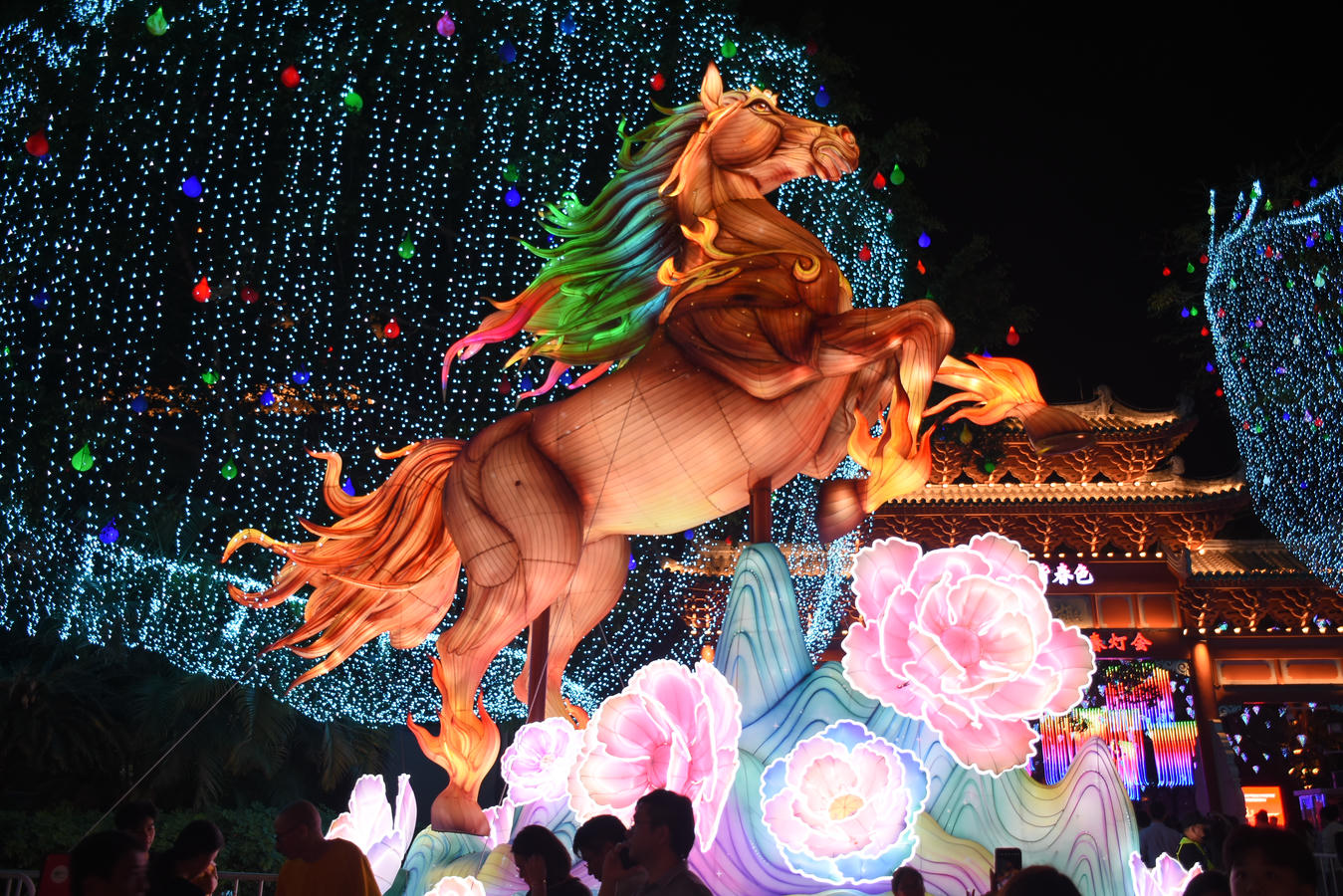
4. Dragon and Mythical Creature Theme
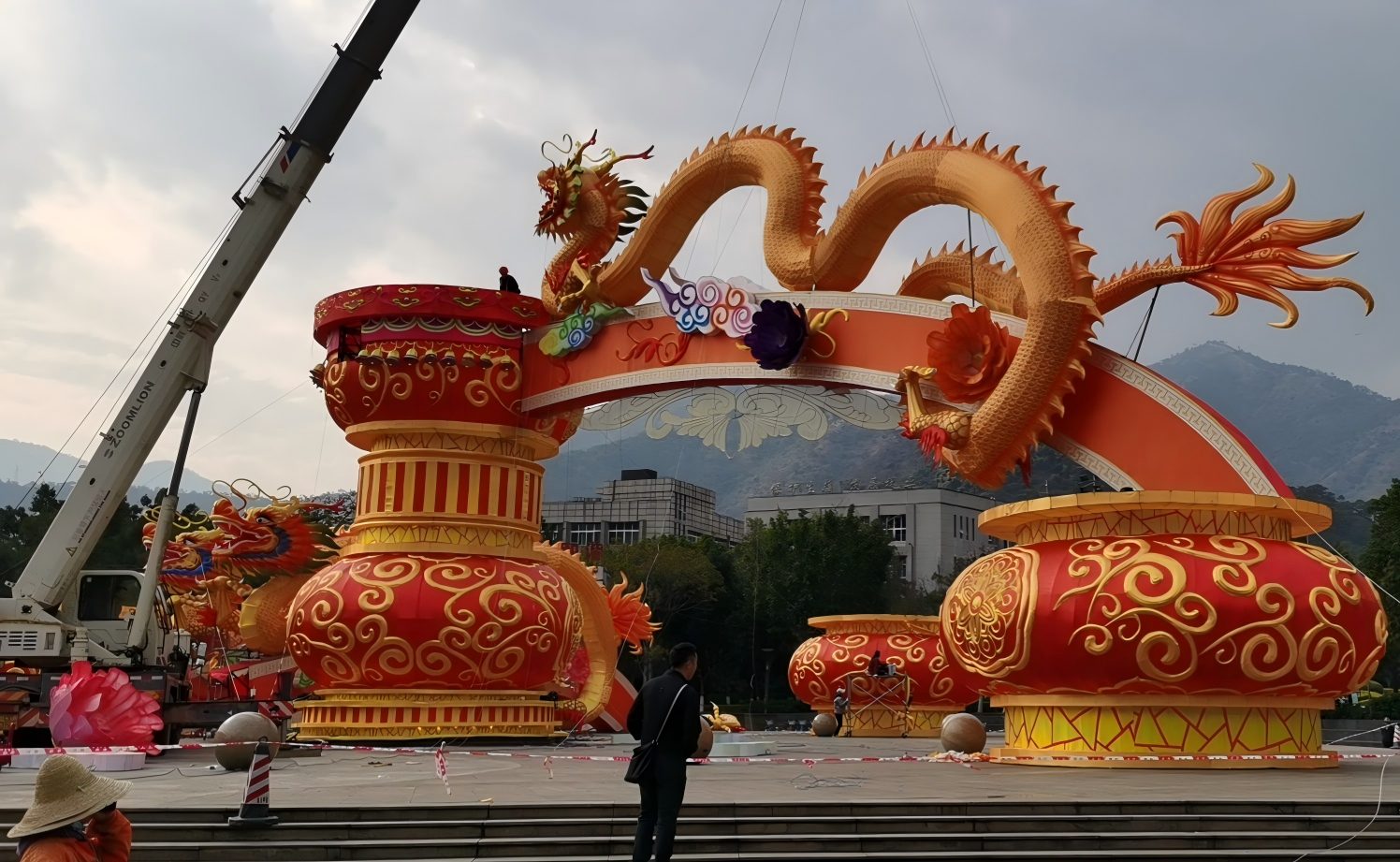
Giant dragons, phoenixes, qilin and fantasy creatures can become the visual center of an entire festival. A dragon may cross an entrance, follow a lake edge or dominate a central plaza, while smaller mythical scenes connect cultural storytelling with a fantasy forest or children’s adventure.
These large forms are valuable because they remain recognizable from a distance and work well on booking pages, posters, short-video covers and press images. Their scale also means structure, modular sections, shipping volume, foundations, wind conditions and installation order must be considered while the concept is still being designed.
5. Flower and Botanical Garden Theme
Illuminated flowers, butterflies, mushrooms, trees, insects and floral arches work especially well in botanical gardens, parks, resorts and romantic night walks. The installations should follow the real landscape so visitors feel they have entered a garden after dark, not a product display area.
A strong route might use a flower arch at the entrance, a field of illuminated blooms and butterflies in the middle, smaller interactive pieces near rest areas and a large flower tree or water reflection as the closing scene. This theme can also support wedding events, couples’ packages, resort dining and seasonal flower exhibitions.
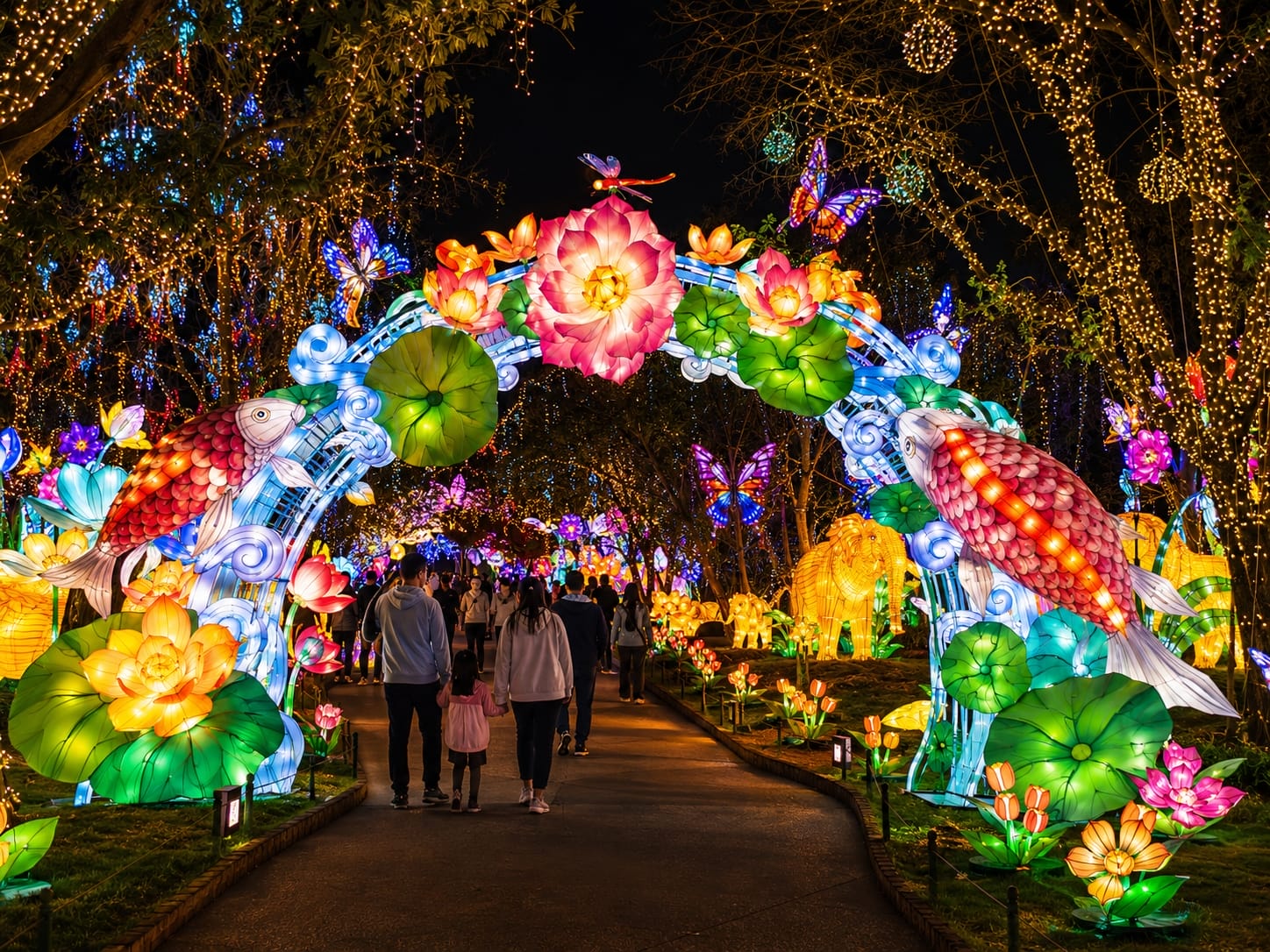
6. Ocean and Underwater World
Whales, dolphins, turtles, jellyfish, coral, tropical fish and underwater tunnels can form an immersive ocean route. The concept suits aquarium exteriors, seaside attractions, resorts, zoos and family parks, but it can also create a complete fantasy world at venues without live marine animals.
Blue and teal lighting can establish the atmosphere, with a whale or turtle as the main landmark and jellyfish corridors, fish schools and coral zones connecting the experience. Where the venue has a lake or pool, reflections can add depth without placing every installation in the water.
7. Fantasy Forest
A fantasy forest combines glowing trees, mushrooms, fairies, butterflies, insects, mythical animals and light tunnels into a story-led walk. It is particularly effective at venues with existing woodland, trails or natural slopes.
Not every section needs a large sculpture. Darker transitions, low-level lighting, illuminated tree canopies and sound can create rhythm, while major scenes appear around bends to produce a sense of discovery. This allows a controlled number of large lanterns to support a longer and more immersive experience.
8. Local Landmark and City Culture
Turning local buildings, historical figures, native animals, festivals, landscapes or community stories into lantern art makes the event specific to its destination. It avoids the feeling of a generic show that could be placed in any city.
Local themes can gain stronger resident support and work well for municipal programs, tourism promotion, media coverage and corporate sponsorship. Before production, the client and design team should verify cultural meaning, image rights and public sensitivities, then decide which elements belong at the entrance, central landmark or interactive photo zone.
9. Winter Lantern Festival
Snowflakes, ice crystals, winter animals, glowing forests, warm tunnels and New Year scenes can form a winter lantern festival without making every area Christmas-specific. It is suitable for parks, attractions, resorts and city events seeking to operate from late autumn into the New Year.
Winter projects require more than visual planning. Ground conditions, weather exposure, route length, shelter, rest points and hot-drink zones all affect whether visitors enjoy the experience or simply rush through it. Operations and creative design should therefore be developed together.
10. Christmas Light Festival
Large Christmas trees, gift boxes, reindeer, snowmen, tunnels, festive houses and a holiday market can create a complete Christmas light festival for parks, farms, resorts, commercial plazas and winter event sites.
A commercial attraction should avoid spreading isolated decorations around the venue. A stronger structure is: entrance landmark, holiday route, family photo points, food and gift zone, then a large tree or music-light finale. This turns decorative assets into an event product with a clear beginning, middle and end.
11. Children’s Educational Theme
Educational routes can focus on wildlife conservation, insects, oceans, space, dinosaurs, climate or local natural resources. Lantern sculptures attract attention; short signs, activity cards, questions and route stamps turn that attention into a family learning experience.
Information should be accurate, age-appropriate and concise. Long paragraphs are difficult to read on a dark route. A better format gives each zone one clear learning point and one activity that adults and children can complete together.
12. Interactive Photo Experience
An interactive theme should do more than add a few photo frames. Walk-through flower arches, light tunnels, illuminated wings, heart installations, sit-in scenes, triggered light effects and large event signs invite visitors to become part of the display.
Place these features where the route is wide enough to handle stopping and queuing. Plan the camera distance, safety boundary and location of the event or sponsor name within a vertical phone image. Good operational placement increases sharing without creating a crowd-flow problem.
13. Water Reflection Lantern Route
Venues with lakes, ponds, rivers or fountains can use lotus flowers, dragons, fish, birds, illuminated bridges and shoreline displays to create reflections. Water visually expands the scene and can make the same group of installations feel larger and more layered.
Design must account for changing water levels, shore safety, power routes, maintenance access and the intended viewing angle. Displays do not always need to be placed in the water; careful positioning along the shore often creates a stable reflection with simpler installation and maintenance.
14. Sponsor and Brand Activation Zone
A lantern festival can offer dedicated areas to local companies, tourism organizations, food brands and event sponsors. Brand elements may appear in an entrance sign, themed installation, photo point, route map or commercial rest area without interrupting the overall story.
Reserve sponsorship opportunities during concept planning instead of adding advertising boards after the show is complete. Naming rights, co-branded zones, interactive displays and digital content rights can then be structured by sponsorship level.
15. Mixed-Themed Ticketed Night Attraction
Large venues do not have to choose only one theme. A mature approach begins with one umbrella story and connects three to five compatible zones. A zoo might create a “Journey of Life” through ocean, rainforest, dinosaur, local wildlife and conservation areas. A city park might create a “World of Light” through Chinese culture, a fantasy forest, winter scenes and local landmarks.
The goal is not to maximize the number of themes. Each zone needs a clear entrance, main landmark, photo point and closing signal, with color, music, signs and smaller transition pieces linking the route. This makes the event feel like one complete night attraction rather than a collection of unrelated displays.
How to Turn a Theme Idea into an Operable Visitor Route
A good theme creates commercial value only after it is translated into a practical route and operating plan. A typical walk-through festival can use the following structure:
- Entrance LandmarkCommunicate the theme immediately and create the first important photo.
- Welcome ZoneUse smaller scenes and signs to help visitors enter the story and understand the route.
- Main Theme ZonesBuild three to five visual chapters and control the rhythm between major scenes.
- Interactive Photo PointsPlace participatory scenes where people can stop without blocking visitor flow.
- Commercial Rest AreaConnect seating, restrooms, food, gifts and sponsor activity to the route.
- Final Memory PointClose with a landmark or branded scene that encourages sharing and return visits.
Theme selection must also reflect the available area, path width, visitor capacity, power conditions, event dates, climate, budget, installation resources, international transport and plans for next-season reuse.
How Lantern Festival Ideas Create Commercial Value
The goal is not to add as many decorations as possible. A clear and marketable theme makes the event easier to understand, book and share. It can:
- Give ticket advertising a specific promise and recognizable main image.
- Turn a daytime venue into a separate nighttime product.
- Extend dwell time and connect tickets with parking, food, retail and sponsor revenue.
- Create photo moments that produce visitor-generated promotion.
- Use modular design, maintenance and partial updates to support multi-season reuse.
- Keep core structures while replacing selected zones for a fresher second season.
Before committing to a theme, compare the expected visitor volume, ticket position, operating days, secondary income and reuse strategy. Our light show business plan explains the wider commercial framework for a ticketed night attraction.
What HOYECHI Provides
HOYECHI / ParkLightShow is a manufacturer and project solution provider for custom lantern festivals, park light shows, Chinese lantern festival displays and outdoor night tourism light displays. We help parks, zoos, scenic areas, cities, resorts and commercial venues move from an early theme idea to a project that can be produced, shipped, installed and operated.
- Theme direction based on venue type, season, audience and business model
- Planning for entrances, visitor routes, signature scenes, photo points and commercial rest zones
- Custom animals, dinosaurs, dragons, flowers, cultural scenes, holiday displays and local themes
- Modular structures designed around international transport and on-site assembly
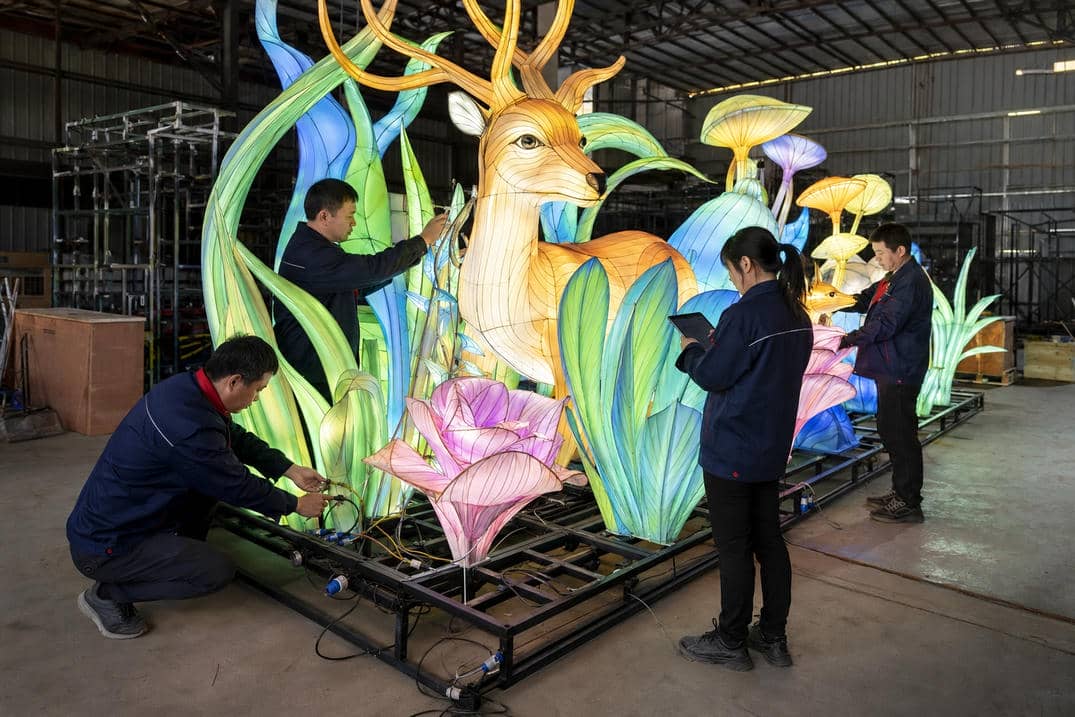
- Factory production, lighting tests and pre-installation inspection before delivery
- Installation drawings, video guidance, remote assistance and suitable engineer support
- Practical advice for ticketed attractions, venue cooperation and long-term reuse
Learn more about our production and delivery capabilities on the Lantern Festival Manufacturer page.
Lantern Festival Theme FAQ
What is the best lantern festival theme for a park?
There is no single best theme for every park. Family parks often perform well with animals, dinosaurs, fantasy forests or winter scenes. Cultural parks can use dragons, mythical creatures and local stories. Parks with gardens or lakes can use flowers and water reflections. The choice should follow the venue identity, target audience, operating season and planned ticket position.
Does a zoo lantern festival have to use only animal themes?
No. Animals can form the central story while dinosaurs, oceans, insects, rainforest scenes, local wildlife, conservation education and children’s interaction create different zones along the route.
Can one lantern festival combine several themes?
Yes. Larger projects often use one umbrella story with three to five themed zones. The themes should follow a clear logic and be connected by color, signs, music and transition installations.
How many theme zones should a lantern festival include?
The number depends on route length, visitor capacity, budget, site conditions and target visit duration. What matters most is that each zone has a clear entrance, visual center, interactive moment and natural transition to the next area.
Can lantern festival displays be reused?
Many large displays can be produced with modular, detachable structures. With proper dismantling, storage and maintenance, they can return in future seasons. Changing the route, adding new pieces or replacing selected surface elements can help keep the experience fresh.
Can HOYECHI customize a theme around local culture?
Yes. Clients can provide local landmarks, stories, wildlife, holidays or brand references. After confirming cultural meaning, site conditions and production feasibility, HOYECHI can translate them into custom outdoor lanterns and themed scenes.
How early should we start planning a lantern festival?
The schedule depends on project scale, design complexity, approvals, production quantity, international transport and installation conditions. If the opening date is fixed, share the venue map, route, theme direction and budget range as early as possible so adequate time can be reserved for each stage.
Choose the Right Theme for Your Venue
Send HOYECHI your country and city, venue type, available area, site map or visitor route, expected opening date, target audience, preferred theme, budget range and installation needs. ParkLightShow can recommend a practical theme direction and turn it into a custom outdoor project built for production, delivery, installation and operation.


