

Chinese Lanterns: Meaning, Types and Large-Scale Festival Displays
Chinese lanterns are illuminated works of art that combine light, form, color and cultural storytelling. They range from small traditional hanging lanterns made for homes and celebrations to giant, engineered lantern sculptures that transform parks, zoos, scenic areas and cities into nighttime destinations.
This guide explains what Chinese lanterns are, what they symbolize, how traditional designs differ from modern festival displays, and how large outdoor lantern installations are planned and produced for commercial venues. If you are developing a complete event rather than researching individual lantern styles, explore our Chinese lantern festival display solutions.
Explore Festival Display Solutions
|
Request a Custom Proposal
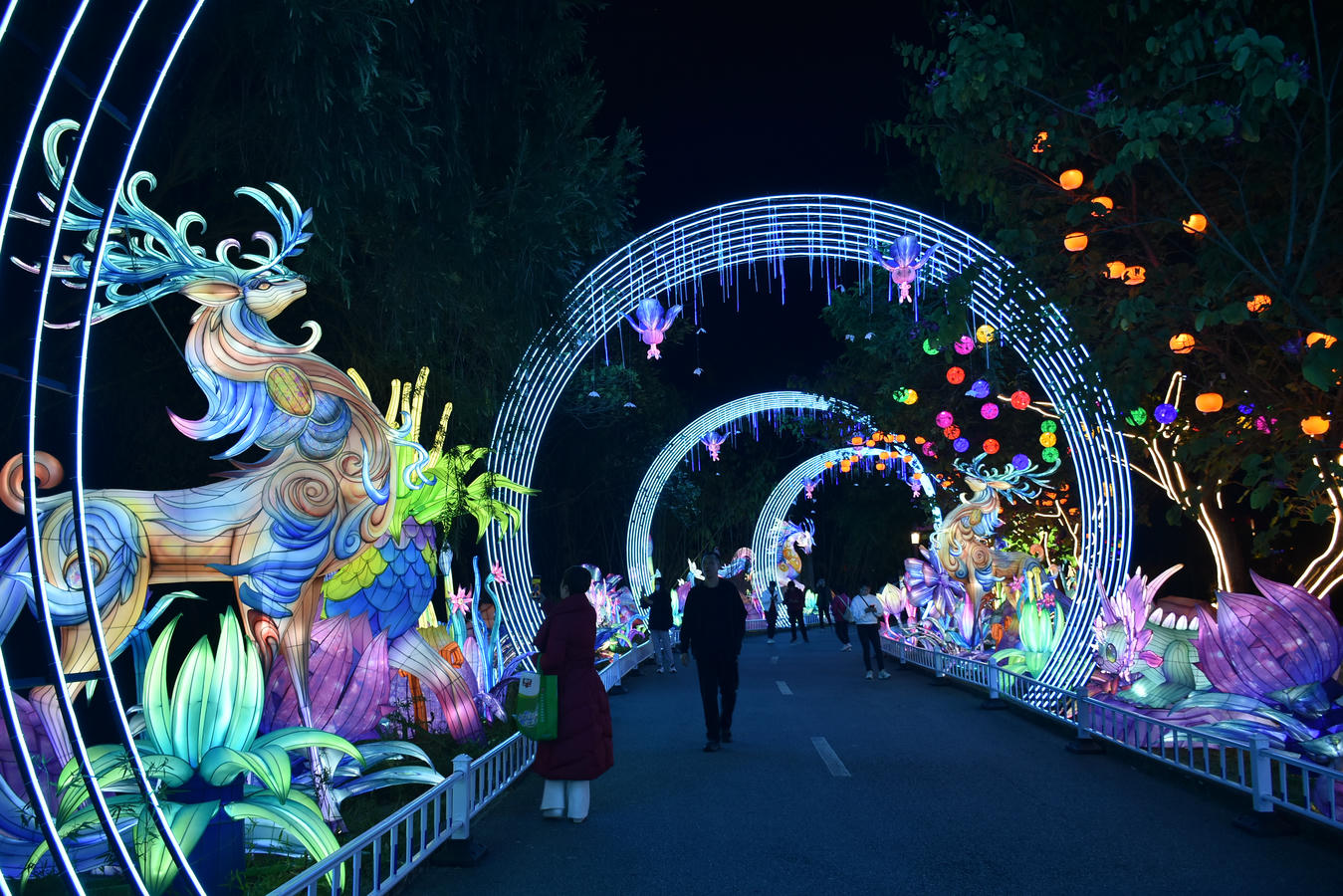
What Is a Chinese Lantern?
A Chinese lantern is a decorative light enclosure traditionally made with a lightweight frame and a translucent covering. The light inside turns the outer surface into a glowing field of color, pattern, calligraphy or symbolic imagery. Historically, lanterns provided illumination, but they also became part of festivals, ceremonies, family celebrations and public culture.
Today, the term can describe several very different objects. A paper lantern hanging at a doorway, a palace-inspired lantern used in a cultural venue and a ten-meter illuminated dragon built for a ticketed park attraction may all be called Chinese lanterns. Their scale, materials, engineering and purpose, however, are entirely different.
| Lantern Form | Typical Construction | Common Use |
|---|---|---|
| Traditional hanging lantern | Lightweight frame with paper, silk or fabric covering | Homes, streets, temples and cultural celebrations |
| Decorative lantern group | Repeated lantern forms arranged as a canopy, wall or pathway | Shopping streets, plazas, hotels and seasonal events |
| Sculptural festival lantern | Shaped metal frame, internal lighting and colored surface material | Parks, zoos, botanical gardens and outdoor festivals |
| Interactive lantern installation | Engineered structure with lighting control, motion, sound or visitor interaction | Ticketed attractions, theme parks and destination events |
The Meaning of Chinese Lanterns
Chinese lanterns are closely associated with celebration, reunion, hope and the welcoming of light. Their precise meaning depends on their color, shape, imagery, inscription and the occasion for which they are used.
Red lanterns are widely connected with happiness, good fortune and festive occasions. Round forms can suggest completeness and reunion. Lanterns decorated with flowers, fish, cranes, dragons, phoenixes, zodiac animals or auspicious characters can communicate different wishes and stories. Because symbolism varies by region and context, culturally themed projects should be designed with care rather than treating every motif as interchangeable.
Lanterns are especially prominent during the Lantern Festival, celebrated on the fifteenth day of the first lunar month and traditionally associated with the first full moon of the lunar year. They are also used during Chinese New Year, Mid-Autumn celebrations, temple fairs, weddings, city festivals and modern cultural events around the world.
For an international venue, the best result comes from respecting this cultural origin while adapting the visual story to local audiences, landscapes and event goals.
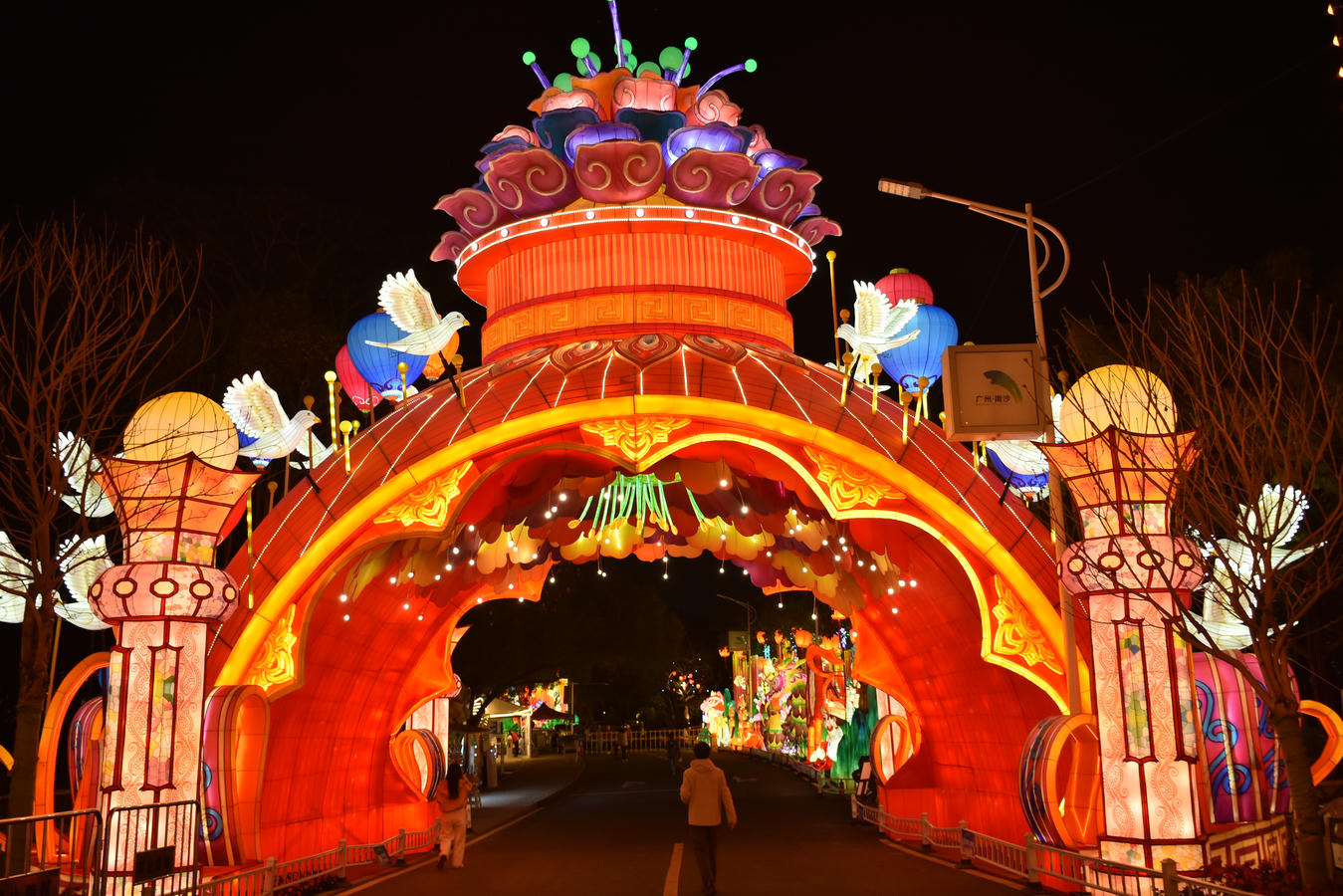
Traditional Chinese Lanterns vs. Modern Festival Displays
Traditional Chinese lanterns and modern festival lantern displays share the same essential idea: light is shaped by an artistic outer form. The practical requirements are very different.
| Comparison | Traditional Chinese Lantern | Large-Scale Festival Display |
|---|---|---|
| Scale | Handheld or architectural decoration | From life-size sculptures to landmark installations |
| Purpose | Decoration, ceremony and cultural expression | Visitor attraction, storytelling, wayfinding and photo engagement |
| Structure | Lightweight bamboo, wood or wire framework | Engineered steel or aluminum structure |
| Lighting | Candle historically; small electric light today | Outdoor LED systems, low-voltage circuits and optional control effects |
| Installation | Simple hanging or placement | Site layout, foundations or anchoring, power distribution and installation planning |
| Operation | Short-term decorative use | Long operating hours, public access, maintenance and possible seasonal reuse |
A commercial Chinese lantern display is therefore not simply an enlarged paper lantern. It is a public-facing installation that must combine artistic design with structural planning, outdoor electrical performance, shipping efficiency, installation access and visitor safety.
Popular Types of Chinese Lantern Displays
Traditional and Palace-Inspired Lanterns
Round, cylindrical, geometric and palace-inspired lantern forms can establish a clear Chinese cultural atmosphere at entrances, streets, courtyards and festival zones. Patterns, tassels, calligraphy and symbolic motifs can be customized to match the event theme.
Dragon and Mythical Creature Lanterns
Dragons, phoenixes, qilin and other legendary figures create strong landmark images. A giant dragon lantern can form the visual centerpiece of an event, while smaller mythical scenes can support a cultural story along the visitor route.
Animal Lanterns
Pandas, elephants, giraffes, birds, fish, insects and fantasy animals are widely used in zoo lantern festivals, wildlife parks and family attractions. They can be realistic, artistic or story-driven depending on the venue and visitor age group.
Flower and Botanical Lanterns
Lotus flowers, peonies, roses, glowing trees, mushrooms and butterfly gardens work naturally in botanical gardens, resorts and landscaped parks. These displays can follow existing paths and vegetation to create an immersive night garden rather than a disconnected collection of objects.
Architectural and Cultural Lanterns
Lantern artists can interpret gates, pavilions, local landmarks, historic scenes and cultural symbols as illuminated structures. For international projects, local architecture and regional stories can be combined with Chinese lantern craftsmanship to make the event specific to its host city.
Lantern Arches, Tunnels and Walk-Through Displays
Entrance arches establish the first visual impression, while illuminated tunnels organize movement and create high-value photo moments. Their scale and placement should support visitor flow rather than create congestion at narrow points.
Interactive and Dynamic Lanterns
Selected displays can include controlled lighting, movement, sound or simple visitor interaction. These effects work best when they support the story and are positioned where visitors have enough space to stop without blocking the main route.
Custom Themed Lanterns
Ocean worlds, dinosaurs, fairy tales, local wildlife, seasonal holidays and original characters can all be developed as custom themes. See Custom Chinese Lanterns if your priority is a unique sculpture, themed zone or venue-specific design.
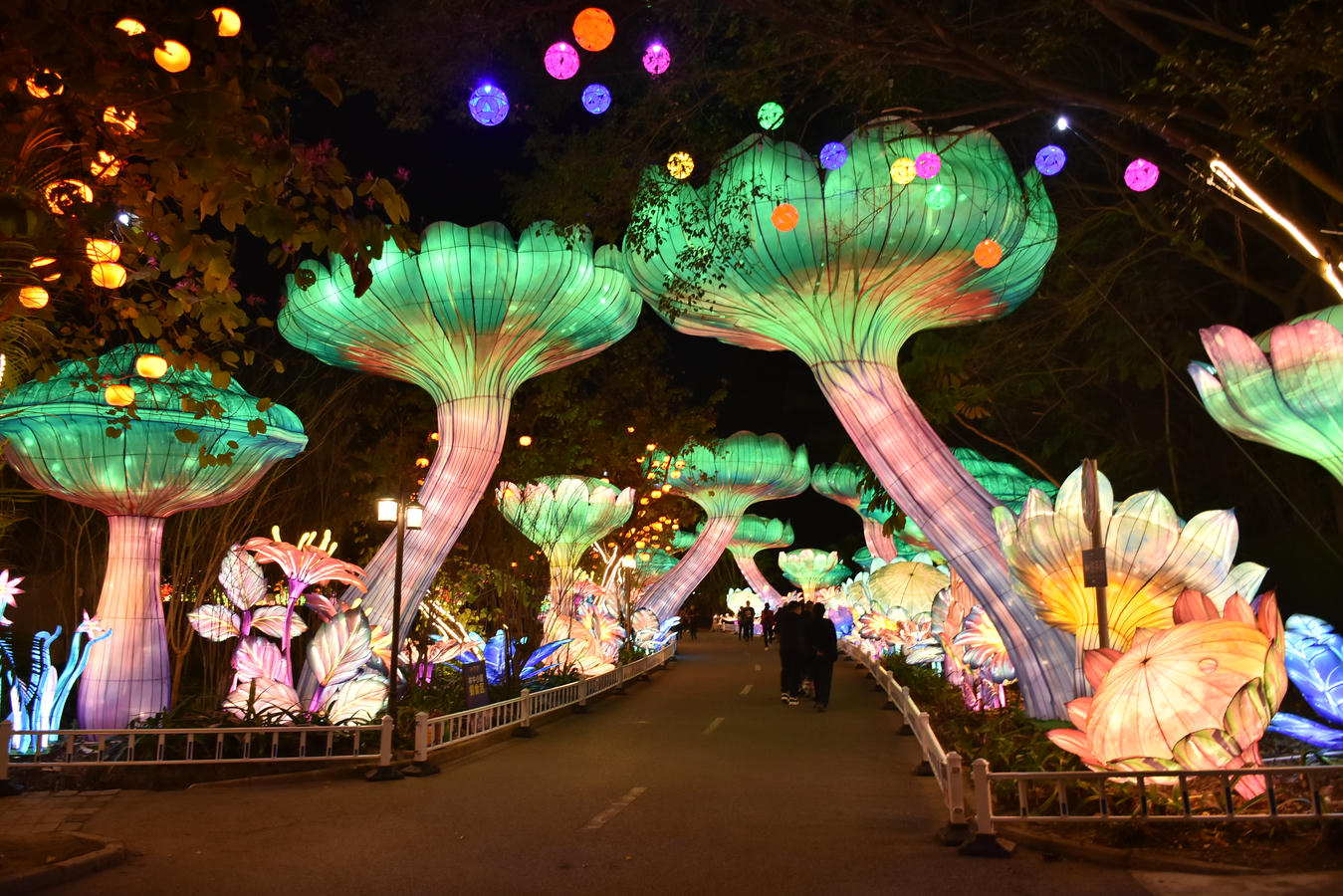
Where Large Chinese Lanterns Are Used
Large outdoor Chinese lanterns are suitable for venues that need more than seasonal decoration. They can become part of a complete visitor experience, a ticketed attraction or a traffic-building public event.
- Parks and scenic areas: create an evening attraction, use underutilized paths after dark and introduce seasonal reasons to revisit.
- Zoos and wildlife parks: connect illuminated animal displays with conservation stories, family programs and nighttime admission.
- Botanical gardens: extend flowers, plants and natural forms into an immersive night trail.
- Theme parks and family attractions: add themed zones, landmark scenes and shareable walk-through experiences.
- Resorts and tourism destinations: strengthen evening programming, guest experience and destination marketing.
- Cities and municipal spaces: create cultural events, public landmarks and holiday experiences that support local tourism.
- Commercial districts and shopping centers: increase foot traffic, dwell time, dining activity and social-media visibility.
The display mix should change with the venue. A zoo may need animal-led storytelling; a botanical garden may need a softer landscape-integrated route; a city event may prioritize cultural identity, capacity and public visibility. The lanterns should serve the site—not force every site into the same template.
How Chinese Lanterns Create Commercial Value
For a commercial venue, visual impact is only one part of the investment. A well-planned Chinese lantern project can support several operating goals at the same time:
- Turn daytime space into a ticketed night attraction.
- Extend opening hours and increase visitor dwell time.
- Create a route with clear entrance moments, landmarks and photo spots.
- Generate seasonal publicity and shareable visitor content.
- Support revenue from tickets, parking, food, retail and souvenirs.
- Provide modular assets that may be reused, rearranged or refreshed in later seasons.
The strongest events are not built by ordering isolated lantern products. They start with a target audience, commercial model, site plan and visitor journey. Visit Light Show Planning to compare ticket-based, traffic-driven, seasonal and partnership models.
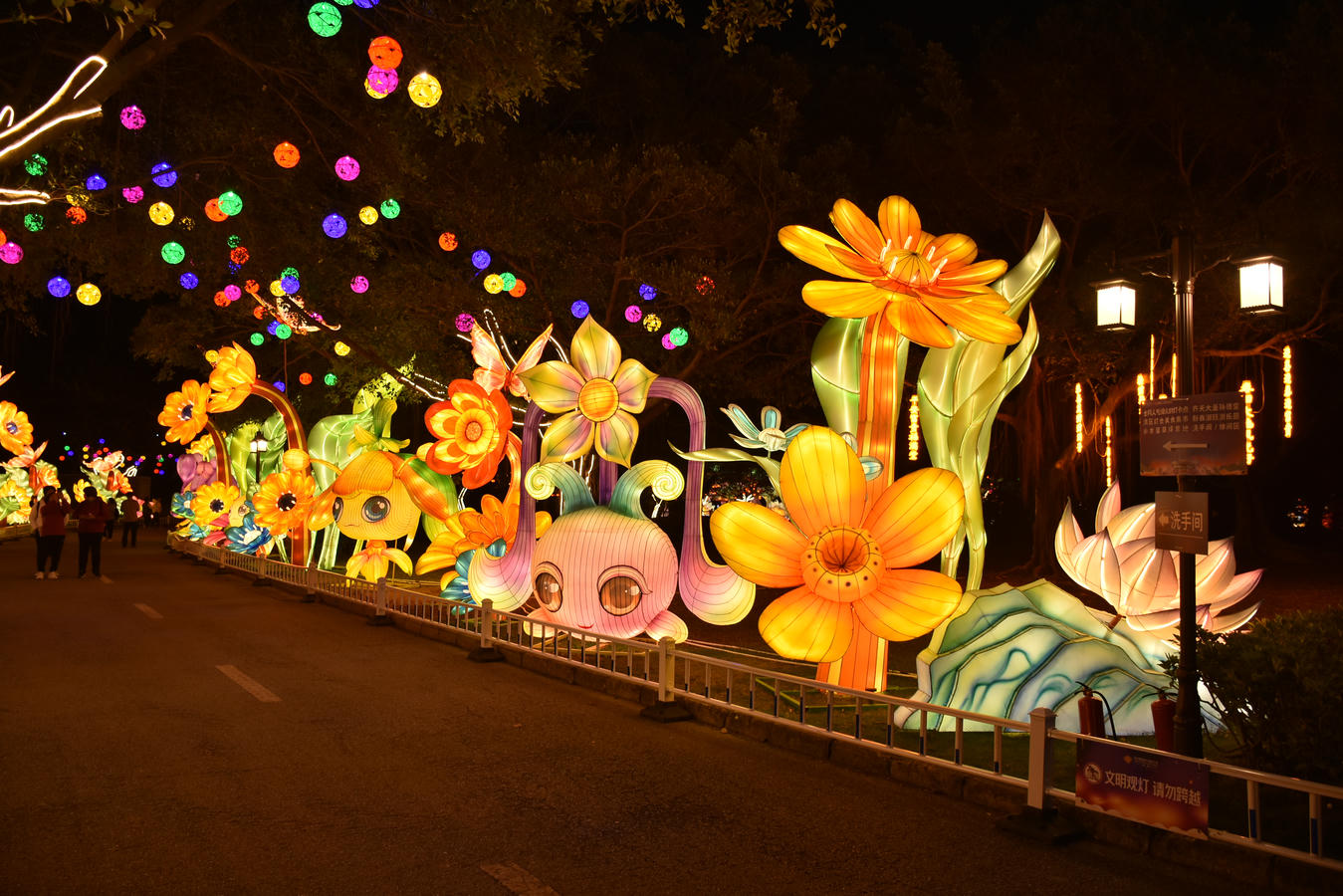
How Large-Scale Chinese Lanterns Are Designed and Made
1. Venue and Project Brief
The process begins with the venue type, site map, usable area, visitor profile, event dates, budget range and operating objective. Existing entrances, paths, trees, water, buildings, slopes and power locations all affect the plan.
2. Theme and Visitor Route
The creative team develops a visual theme and divides the route into connected zones. Major landmarks attract attention, medium scenes carry the story, and smaller displays maintain rhythm between key points. Entrances, food areas, rest points and exits should be considered at the same stage.
3. Artistic and Structural Design
Artists develop the form, color and surface details while engineers consider frame segmentation, wind exposure, anchoring, maintenance access, transport limits and installation sequence. Large lanterns are often divided into modular sections so they can fit into containers and be assembled efficiently on site.
4. Frame, Lighting and Surface Production
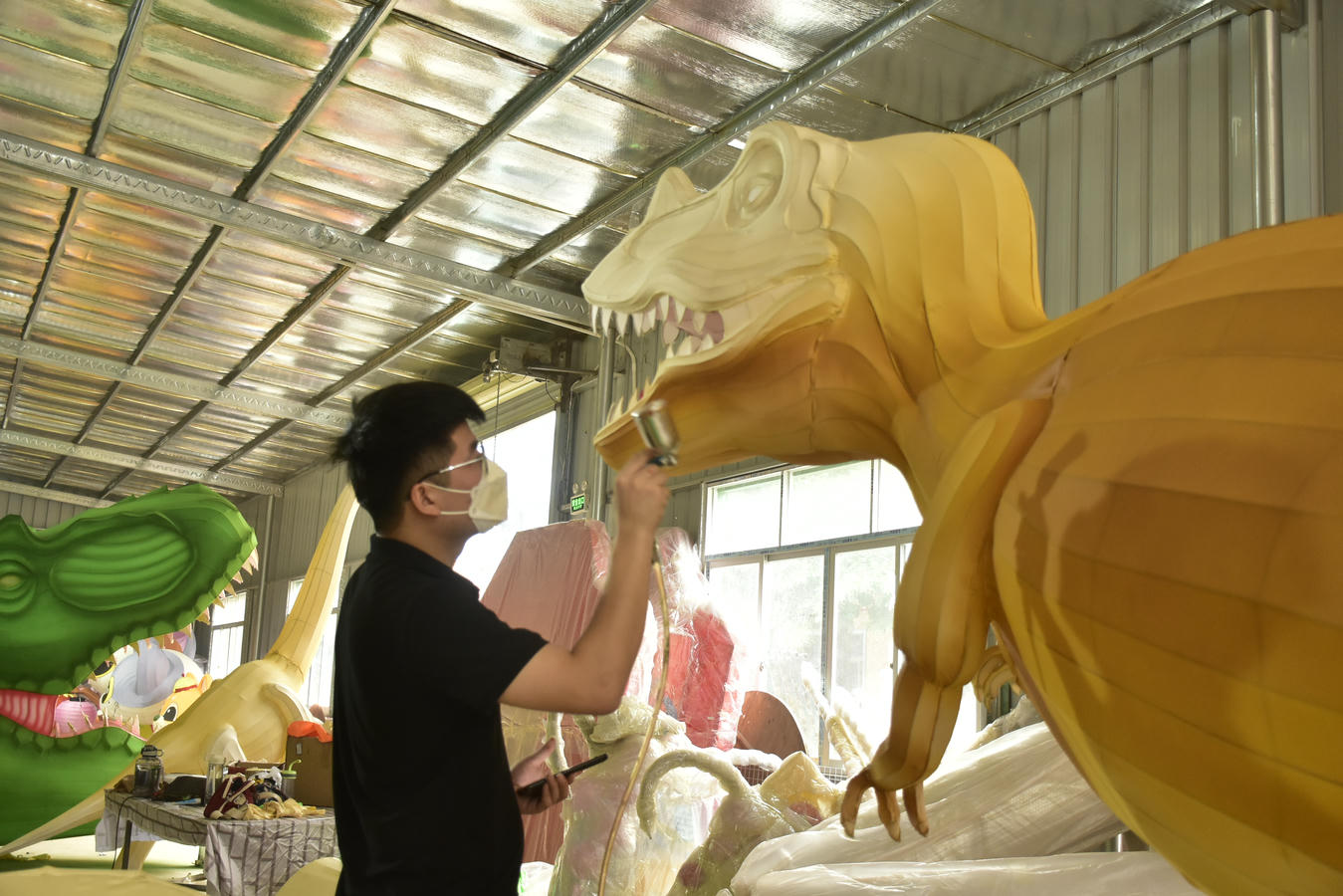
The three-dimensional form is fabricated in metal, fitted with lighting and finished with colored surface materials. Depending on the project, HOYECHI can use steel or lightweight corrosion-resistant aluminum frames, outdoor LED systems, 24V low-voltage circuits, flame-retardant and UV-resistant materials, and project-specific waterproof components.
5. Factory Pre-Installation and Testing
Important structures can be assembled and illuminated before shipment. This allows the team to inspect the appearance, frame connections, electrical system, component labels and installation sequence before the project leaves the factory. Pre-installation records can also make overseas setup more efficient.
6. Packing, Global Delivery and Installation
Modules are labeled and packed according to the installation sequence. Support may include drawings, packing lists, video guidance, remote technical assistance or on-site engineers, depending on the project scale and location.
What Makes an Outdoor Chinese Lantern Display Project-Ready?
A display intended for public outdoor operation requires more than an attractive night photograph. The following details should be reviewed before production:
| Project Requirement | Why It Matters |
|---|---|
| Site-specific structure and anchoring | Wind exposure, ground conditions, public access and display height vary by venue. |
| Outdoor electrical design | Lighting, connectors, power distribution and maintenance access must match the operating environment. |
| Weather-appropriate materials | Rain, ultraviolet exposure, temperature and seasonal duration affect material selection. |
| Modular engineering | Efficient segmentation can reduce shipping volume and simplify installation and future reuse. |
| Factory testing and labeling | Early inspection reduces uncertainty and helps the site team follow the planned assembly sequence. |
| Operations and maintenance plan | Public events need practical access for inspection, cleaning, repairs and component replacement. |
Wind resistance, anchoring and electrical requirements should always be evaluated for the actual site. A specification suitable for one park or climate should not be copied automatically to another.
How to Choose Chinese Lanterns for Your Venue
Before requesting a proposal, answer these seven questions:
- What should the project achieve? Ticket revenue, foot traffic, cultural programming, holiday decoration or a long-term night tourism attraction?
- Who will visit? Families, tourists, local residents, school groups, resort guests or festival audiences?
- What space is available? Share a map, route length, entrance width, slopes, water features and any height restrictions.
- What story should visitors experience? Chinese culture, wildlife, botanical art, local heritage, fantasy, Christmas or a mixed theme?
- Which scenes must become landmarks? Plan the entrance, main centerpiece, walk-through feature and final photo moment before filling the route with smaller displays.
- Will the lanterns be reused? Reuse affects structural segmentation, surface materials, storage, packing and the way themes are designed.
- What are the opening date and budget range? Design, production, shipping and installation must be scheduled backward from the planned event launch.
Sending this information early helps the design team propose a practical display mix instead of a generic catalog selection.
Choose the Right Chinese Lantern Resource
ParkLightShow separates broad educational information from project, customization and seasonal pages so each visitor can reach the right level of detail.
| Your Need | Recommended Resource |
|---|---|
| Understand Chinese lantern meaning, types and modern uses | This Chinese Lanterns guide |
| Plan a complete park, zoo or city lantern festival | Chinese Lantern Festival Displays |
| Commission unique lantern sculptures or a themed zone | Custom Chinese Lanterns |
| Develop a Lunar New Year commercial display | Chinese New Year Lanterns |
| Compare business models and visitor-route planning | Light Show Planning |
| Explore all venue and event categories | Light Show Solutions |
About HOYECHI Chinese Lantern Projects
HOYECHI is a manufacturer and project solution provider for custom Chinese lanterns, Chinese lantern festivals, park light shows and outdoor night tourism displays. We work with parks, zoos, botanical gardens, scenic areas, resorts, cities, commercial venues and event operators.
Our role can cover concept design, display production, modular engineering, factory pre-installation, packing, international delivery, installation guidance and on-site support for suitable projects. The objective is not simply to supply illuminated objects, but to help each venue build a practical visitor experience that can be installed, operated, maintained and reused with confidence.
Frequently Asked Questions About Chinese Lanterns
What do Chinese lanterns symbolize?
Chinese lanterns are widely associated with light, celebration, reunion and hope. Red is commonly connected with happiness and good fortune, while shapes, patterns, animals and written characters can add more specific meanings.
Are Chinese lanterns only used for Chinese New Year?
No. They are strongly associated with Lunar New Year and the Lantern Festival, but lanterns also appear in Mid-Autumn celebrations, temple fairs, weddings, cultural events and modern outdoor light festivals throughout the year.
What are traditional Chinese lanterns made of?
Traditional lanterns may use bamboo, wood or wire frames with paper, silk or fabric coverings. Large commercial festival displays use engineered metal frames, electric lighting and outdoor-appropriate surface materials.
What is the difference between a Chinese lantern and a Chinese lantern festival display?
A single Chinese lantern is an illuminated decorative object. A festival display may be a large sculptural installation or a complete group of coordinated scenes. A full festival also includes theme planning, visitor routes, power, installation, operations and commercial objectives.
Can large Chinese lantern displays be used outdoors?
Yes, when they are designed for the specific environment. Outdoor projects require appropriate structure, anchoring, electrical components, surface materials and inspection procedures based on local weather, ground conditions and public-use requirements.
Can Chinese lantern displays be customized?
Yes. Size, shape, color, theme, lighting effect, structure and installation method can be developed around the venue. Custom themes may include local wildlife, regional landmarks, botanical art, Chinese culture, fantasy scenes, holidays or original event concepts.
Can festival lanterns be reused?
Many displays can be designed for reuse. Modular structures, careful removal, dry storage, protective packing, inspection and planned maintenance are important. Some surface materials or electrical parts may require refurbishment between seasons.
How much does a commercial Chinese lantern project cost?
Cost depends on the number and size of displays, design complexity, structural requirements, interactive effects, shipping volume, installation conditions and support required. A site plan, event goal, opening date and realistic budget range are needed for a useful proposal.
How long does a custom lantern project take?
The schedule varies with project scale and complexity. Time must be allowed for concept development, design approval, engineering, production, factory testing, shipping, customs clearance and installation. Large events should be planned well before the intended opening date.
Does HOYECHI provide international delivery and installation support?
Yes. Depending on the project, HOYECHI can provide modular packing, international delivery coordination, installation drawings, video guidance, remote assistance and on-site engineer support.
Start Your Chinese Lantern Project
If you are planning Chinese lantern displays for a park, zoo, botanical garden, scenic area, resort, city or commercial venue, send us your venue type, country, available area, target opening date, preferred theme and budget range.
HOYECHI will help you identify the right display scale, visitor-route structure, production method and delivery plan for your project.
Request a Chinese Lantern Project Proposal
|
Send Your Venue Information for Planning


