
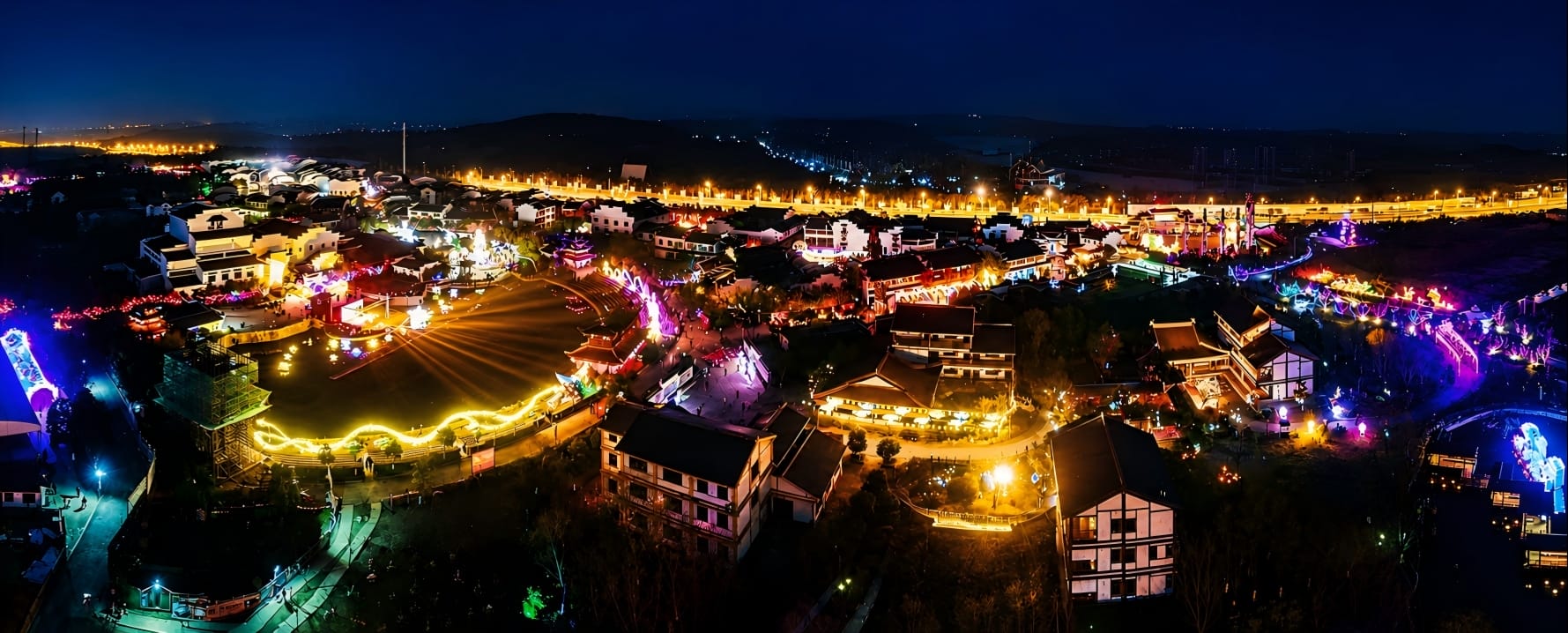
Venue Partnership for Light Festivals & Park Light Shows
If you operate a park, scenic area, farm, zoo, resort, or other outdoor venue, we can explore a revenue-sharing partnership for a seasonal light festival, themed light display, or nighttime park light show.
We provide design, production, installation, and visual execution for the event. The venue side provides the site, local coordination, and operational support based on the agreed cooperation model.
This partnership model is suitable for venues that want to activate nighttime traffic, create a stronger seasonal attraction, and develop new ticketed experiences with a more practical and flexible approach.
If you would like to understand the broader project workflow, market planning, and operational preparation behind this type of nighttime attraction, please also review our Light Show Planning page.
For a more detailed explanation of how a 50/50 revenue-sharing structure can work in practice, please read our Light Show Partnership: The 50/50 Revenue Sharing Model for Parks & Zoos.
How the Partnership Model Works
How the Revenue-Sharing Partnership Model Works
A venue partnership is designed for parks, scenic areas, farms, zoos, resorts, botanical gardens, commercial districts, and outdoor venues that have strong visitor potential but want a more flexible way to develop a light festival or park light show project.
In this model, the venue side usually provides the site, local operation resources, visitor management, ticketing support, and local promotion. HOYECHI supports the project with light show planning, custom design, production, modular structures, installation guidance, and project execution support.
The final cooperation structure depends on the venue conditions, project scale, expected visitor flow, ticketing potential, marketing support, local operation ability, and investment arrangement. For qualified venues, HOYECHI can discuss flexible cooperation options, including revenue-sharing partnership.
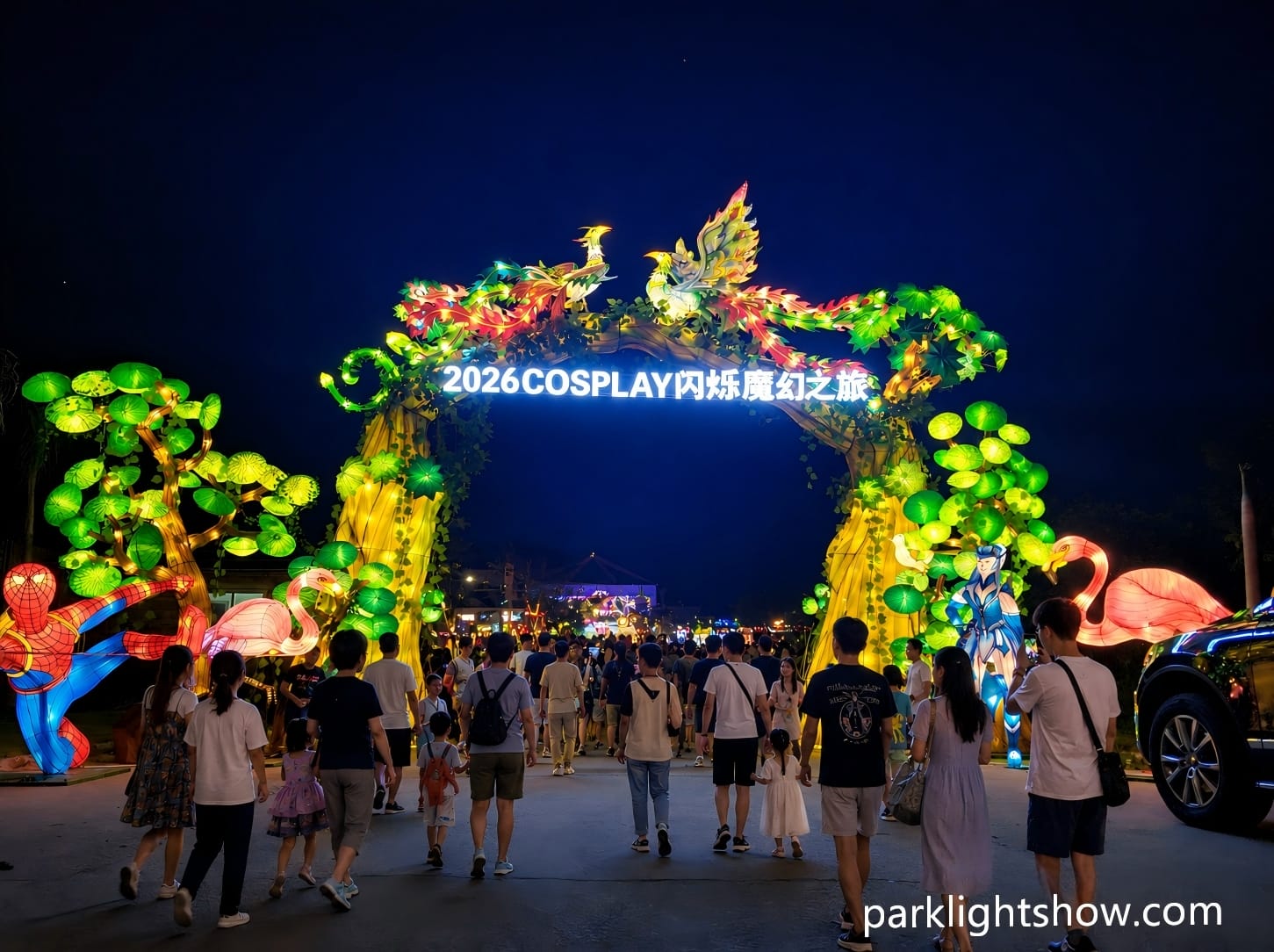
Who This Partnership Is For
This partnership model is not suitable for every venue. It is mainly designed for outdoor venues that already have visitor potential, local market demand, and the ability to operate a seasonal or long-term night tourism attraction.
- Parks that want to create ticketed night events or seasonal light festivals
- Zoos and botanical gardens that want to attract family visitors after dark
- Farms and agritourism venues that want to build holiday night attractions
- Scenic areas and resorts that want to extend opening hours and increase tourism value
- Commercial plazas, shopping streets, and tourism districts that want to increase evening foot traffic
- Outdoor venues with enough space, visitor access, parking, local promotion ability, and operation support
If your venue has strong local visitor potential, a clear event season, and the ability to support ticketing, marketing, security, and visitor services, a light festival partnership may be a practical way to develop new night tourism revenue.
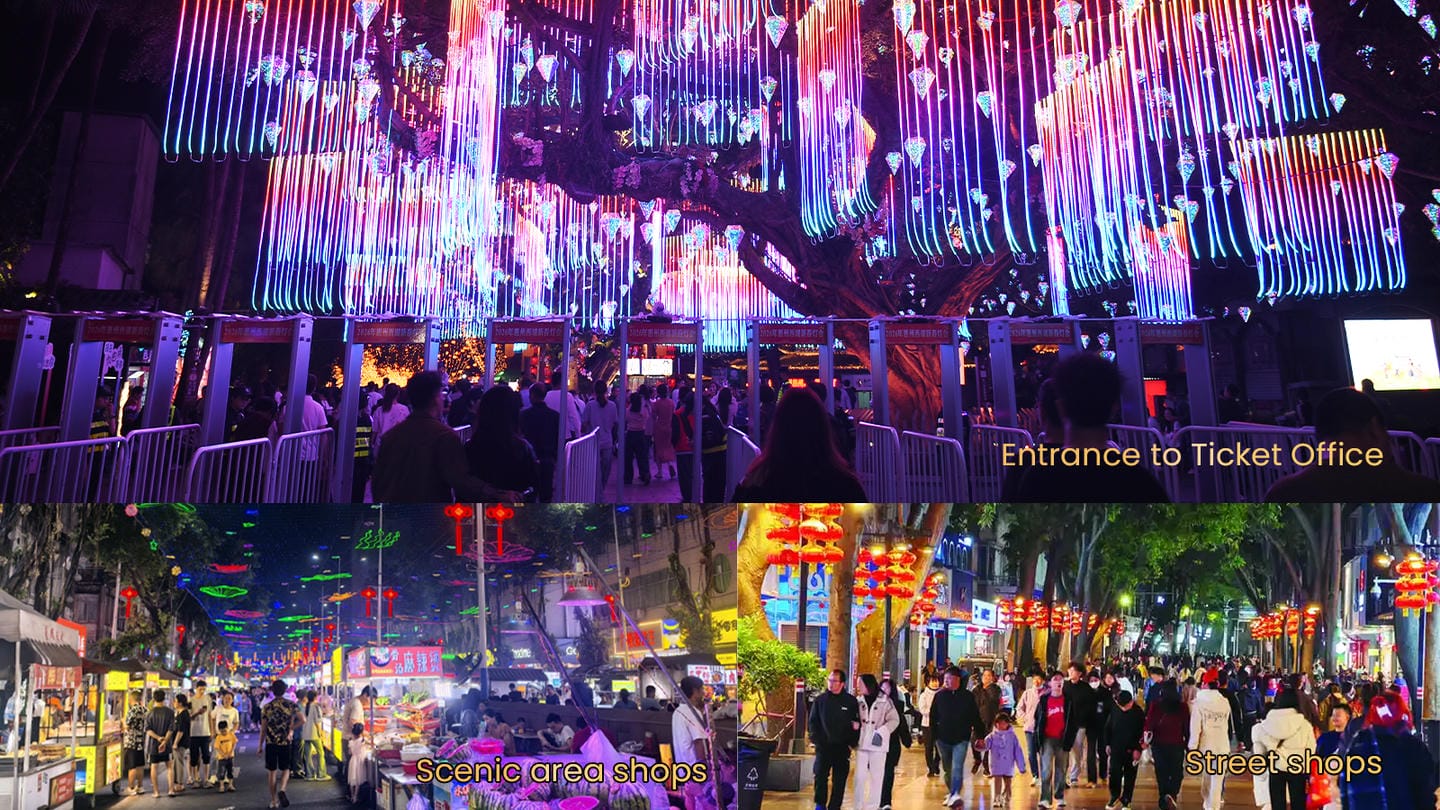
Responsibilities of Each Party
A successful light festival partnership requires clear responsibilities from the beginning. The following table shows the typical division of work between the venue side and HOYECHI. The final arrangement can be adjusted according to the project scale and cooperation agreement.
| Project Area | Venue Side | HOYECHI Side |
|---|---|---|
| Venue and Site | Provides the venue, visitor access, basic site conditions, and local permissions | Evaluates the layout, route, installation conditions, and display possibilities |
| Theme and Design | Provides local culture, target visitors, event goals, and theme preferences | Creates the light festival concept, route plan, themed scenes, and visual design |
| Production | Confirms the project plan, schedule, and cooperation terms | Produces custom lantern displays, light installations, structures, and project materials |
| Installation | Provides local labor, equipment access, power support, and site coordination when needed | Provides installation guidance, technical instructions, and on-site support for suitable projects |
| Marketing | Leads local promotion, media outreach, ticket sales, and visitor communication | Supports with project visuals, display content, and light show materials for promotion |
| Operation | Handles ticketing, security, visitor service, cleaning, local staff, and daily operation | Supports display maintenance guidance and technical coordination during the event period |
| Revenue | Shares event income according to the agreed cooperation structure | Shares event income according to the agreed cooperation structure |
Revenue and Cost Structure
Revenue-sharing cooperation should be based on clear data, clear responsibilities, and a fair settlement structure. Before starting a project, both parties need to discuss the expected visitor flow, ticket price, operation period, marketing plan, local costs, and settlement method.
Common revenue sources may include:
- Entrance tickets for the light festival or night attraction
- Food and beverage income during the event
- Souvenirs, retail booths, and local vendor income
- Parking, VIP tickets, group tickets, or special event packages
- Holiday activities, family experiences, and commercial sponsorship opportunities
Common local operating costs may include marketing, ticketing system fees, staff, security, cleaning, temporary power, insurance, permits, and daily operation expenses. The final revenue-sharing arrangement should be confirmed in the project agreement.
HOYECHI does not recommend a one-size-fits-all cooperation structure. Different venues may require different investment arrangements, cost structures, settlement cycles, and revenue-sharing ratios.
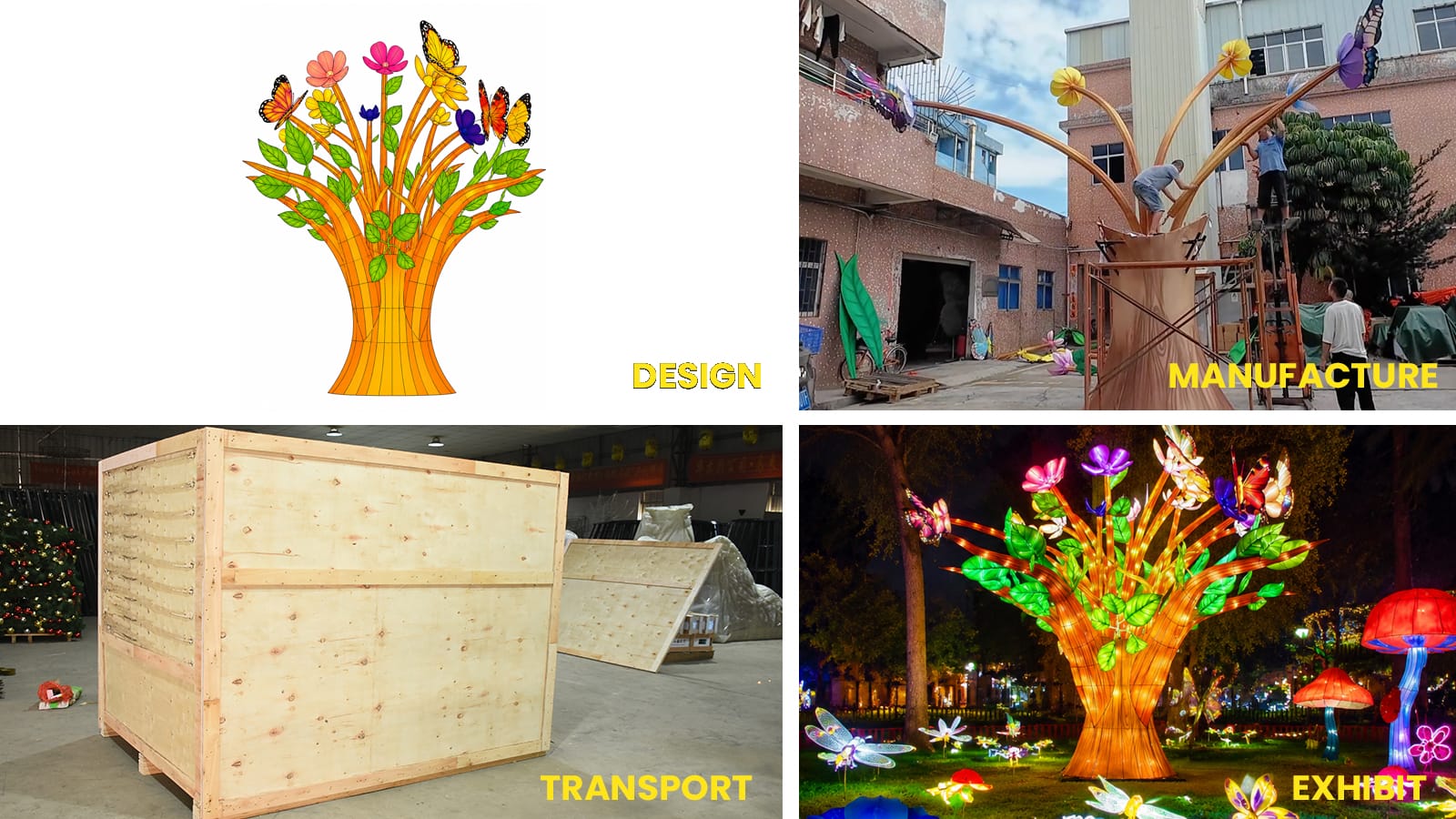
What Makes a Venue Suitable for Partnership?
To protect both sides and improve the success rate of the project, HOYECHI usually evaluates whether a venue has the basic conditions for a light festival partnership before moving into detailed planning.
- Strong local visitor potential or existing tourism traffic
- Enough outdoor space for a safe and attractive visitor route
- Clear entrance and exit control for ticketed event operation
- Parking, public access, and visitor service capacity
- Basic power access or permission for temporary power setup
- Local marketing resources and promotion ability
- Security, cleaning, ticketing, and on-site operation support
- A clear event season, opening period, and business goal
If your venue does not meet all conditions yet, HOYECHI can still help evaluate whether a smaller project, direct purchase model, seasonal event model, or turnkey delivery model would be more suitable.
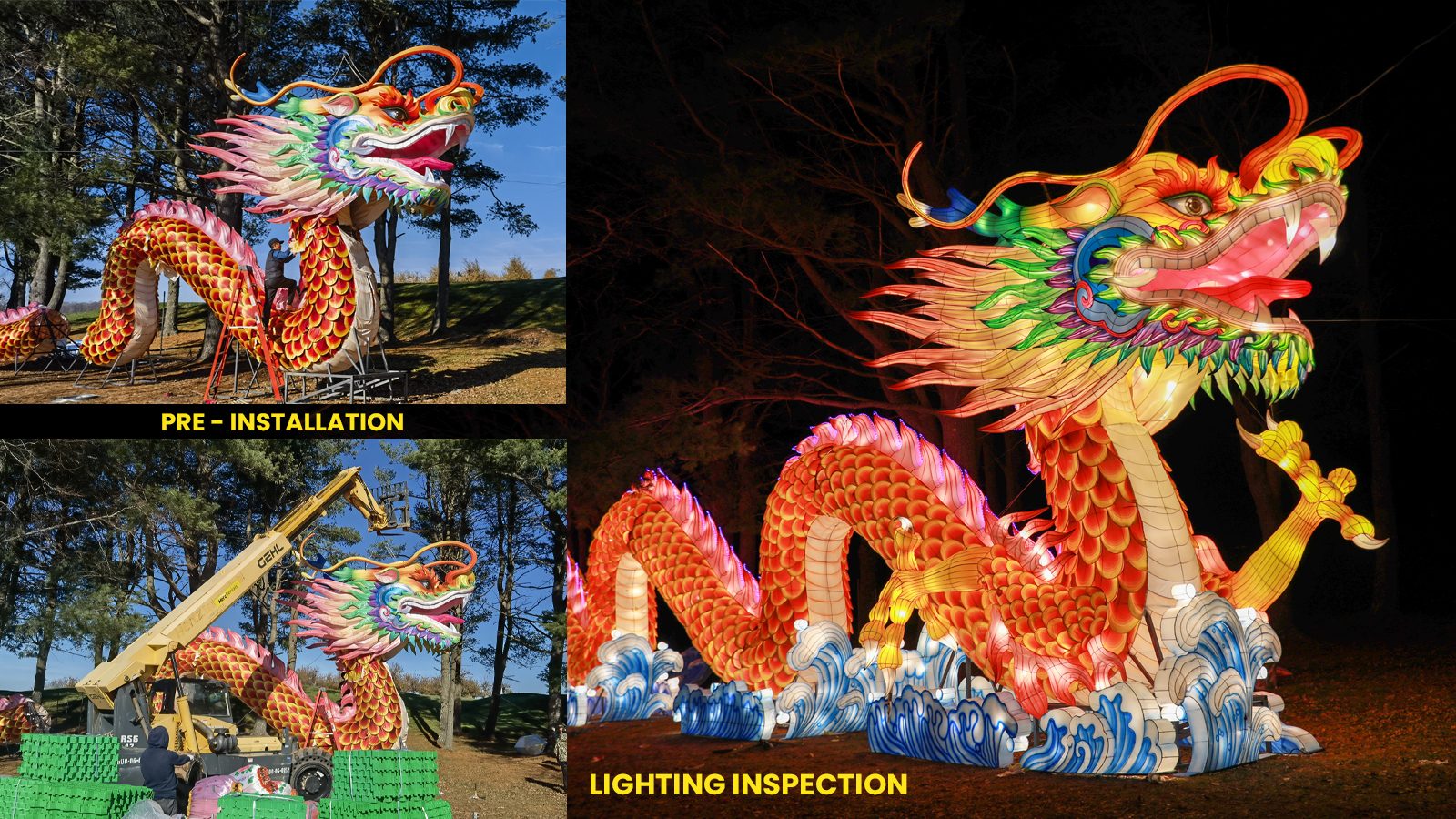
Project Workflow for Venue Partnership
A professional venue partnership should follow a clear project workflow. This helps both sides understand the timeline, responsibilities, and key decisions before production begins.
- Venue Evaluation: Review the site type, location, visitor potential, available space, and operation conditions.
- Business Model Discussion: Discuss ticketing, traffic goals, revenue expectations, cooperation structure, and local responsibilities.
- Concept Design: Create the theme direction, visitor route, key photo spots, entrance impact, and commercial zones.
- Budget and Schedule Planning: Estimate project scale, production schedule, shipping time, installation period, and event opening date.
- Agreement Confirmation: Confirm responsibilities, investment arrangement, revenue-sharing method, settlement rules, and operation plan.
- Production and Pre-Installation: Produce custom displays, prepare modular structures, test lighting effects, and organize packaging.
- Shipping and On-Site Installation: Arrange delivery, installation guidance, local team coordination, and final site setup.
- Event Operation: Launch the light festival, manage visitor flow, monitor display performance, and support event promotion.
- Revenue Tracking and Settlement: Track ticketing and event income according to the agreed settlement cycle.
Why Work with HOYECHI for Light Festival Partnerships?
HOYECHI focuses on outdoor decorative lighting, lantern festivals, park light shows, scenic area light shows, and night tourism projects for global outdoor venues. We understand that a successful light festival is not only about beautiful displays. It also requires planning, production, installation, route design, visitor experience, and business operation logic.
- Factory-direct production for customized lantern and light show displays
- Custom design support based on venue layout, theme, and visitor route
- Modular structure design for easier shipping, installation, storage, and reuse
- Outdoor waterproof construction suitable for public venues and seasonal events
- Project solutions for parks, scenic areas, farms, zoos, resorts, and commercial venues
- Installation guidance and on-site support available for suitable overseas projects
- Flexible cooperation options, including direct supply, turnkey delivery, and revenue-sharing partnership
- Experience in large outdoor holiday lighting, lantern festivals, and night tourism light show projects
Our goal is to help qualified venues develop attractive night tourism projects with practical planning, reliable production, and flexible cooperation models. HOYECHI® -- Making global festivities more joyful.
Information We Need to Evaluate Your Venue
If you are interested in a venue partnership, you can send us your basic project information first. This helps our team judge whether your venue is suitable for a revenue-sharing model, turnkey delivery, or another cooperation structure.
- Venue type: park, scenic area, farm, zoo, resort, botanical garden, commercial district, or other outdoor venue
- Venue location and surrounding visitor market
- Available outdoor space or walking route length
- Site map, photos, videos, or drone view if available
- Expected event season and opening period
- Estimated visitor flow or historical visitor data
- Ticketing possibility and local operation ability
- Parking, entrance control, power access, and security conditions
- Preferred cooperation model and budget range if available
After reviewing this information, HOYECHI can provide preliminary suggestions for project scale, visitor route, cooperation model, and next-step planning.
FAQ About Venue Partnership for Light Festivals
Is the revenue-sharing partnership available for every venue?
No. Revenue-sharing cooperation is usually suitable for venues with strong visitor potential, enough outdoor space, local operation ability, and clear event goals. HOYECHI needs to evaluate the venue conditions before discussing a detailed partnership structure.
Who pays for the light show production?
The investment structure depends on the project scale, venue conditions, visitor potential, and cooperation agreement. For qualified venues, HOYECHI can discuss flexible cooperation options, including revenue-sharing partnership. Some projects may also use direct purchase or turnkey delivery models.
How is ticket revenue shared?
Ticket revenue sharing should be agreed before the project begins. The ratio and settlement method may depend on investment responsibilities, local operation costs, marketing support, project scale, and event period. HOYECHI recommends using clear ticketing data and transparent settlement rules.
Who handles marketing and ticket sales?
In most venue partnership projects, the venue side leads local marketing, ticket sales, visitor communication, and local media promotion. HOYECHI can support with visual materials, project content, display photos, and light show planning materials for promotion.
Who manages visitor service during the event?
The venue side usually manages ticketing, entry control, security, cleaning, staff, visitor service, parking, and daily operation. HOYECHI supports the light show display, installation guidance, and technical coordination according to the project agreement.
Can the light festival displays be reused?
Many lantern and light show displays can be designed with modular structures, making them easier to remove, transport, store, reinstall, and reuse for future seasons or different venues. Reuse planning should be considered during the design stage.
How long does it take to prepare a venue partnership project?
The preparation time depends on the project size, design complexity, production schedule, shipping time, installation conditions, and event opening date. Large seasonal light festivals usually require early planning to avoid schedule pressure.
Can HOYECHI provide on-site installation support?
Yes. For suitable overseas projects, HOYECHI can provide installation guidance and on-site support. The final support method depends on project scale, location, schedule, and cooperation agreement.
What if my venue is not suitable for revenue sharing?
If the venue is not suitable for revenue-sharing cooperation, HOYECHI can still recommend other models, such as direct supply, full project delivery, seasonal event planning, or a smaller light show project that better fits your budget and operation conditions.
How do we start the evaluation?
You can send your venue type, location, site photos, visitor data, available space, event season, and cooperation expectations. HOYECHI will review the information and provide preliminary suggestions for the most suitable project model.
Request a Venue Partnership Evaluation
If you operate a park, scenic area, farm, zoo, resort, botanical garden, commercial district, or outdoor venue with strong visitor potential, HOYECHI can help you evaluate whether a light festival partnership is suitable for your site.
Send us your venue information, available space, expected event season, visitor potential, and cooperation goals. Our team will review your project conditions and recommend a practical cooperation direction.
Start with venue evaluation, then move into project planning, business model discussion, design, production, installation, and event launch.


