


I. Core Responsibilities: The 50/50 Cooperation Checklist
| Category | Venue (Party A) | Producer (Party B – Us) |
|---|---|---|
| Assets & Design | Provides fenced venue with ticketing and power access. | 100% covers Custom Design and manufacturing costs |
| Labor & Logistics | Covers local labor wages for setup/teardown. | Covers expert salaries, global freight, and land transport |
| Operating Costs | Handles on-site security, ticketing, and cleaning. | Covers 100% of the electricity costs for all light installations. |

II. The Growth Engine: Promotion & Marketing Budget
In a revenue-sharing model, traffic is everything. To ensure the festival becomes a local sensation, we establish clear marketing mechanisms:
- Mandatory Promotion Budget: Before launch, both parties agree on a minimum media spend (including Social Media Ads, Outdoor Billboards, and Local PR).
- Flexible Funding: Typically, the Venue (Party A) pays for the marketing upfront, and these costs are recovered from the initial ticket sales before the 50/50 split begins.
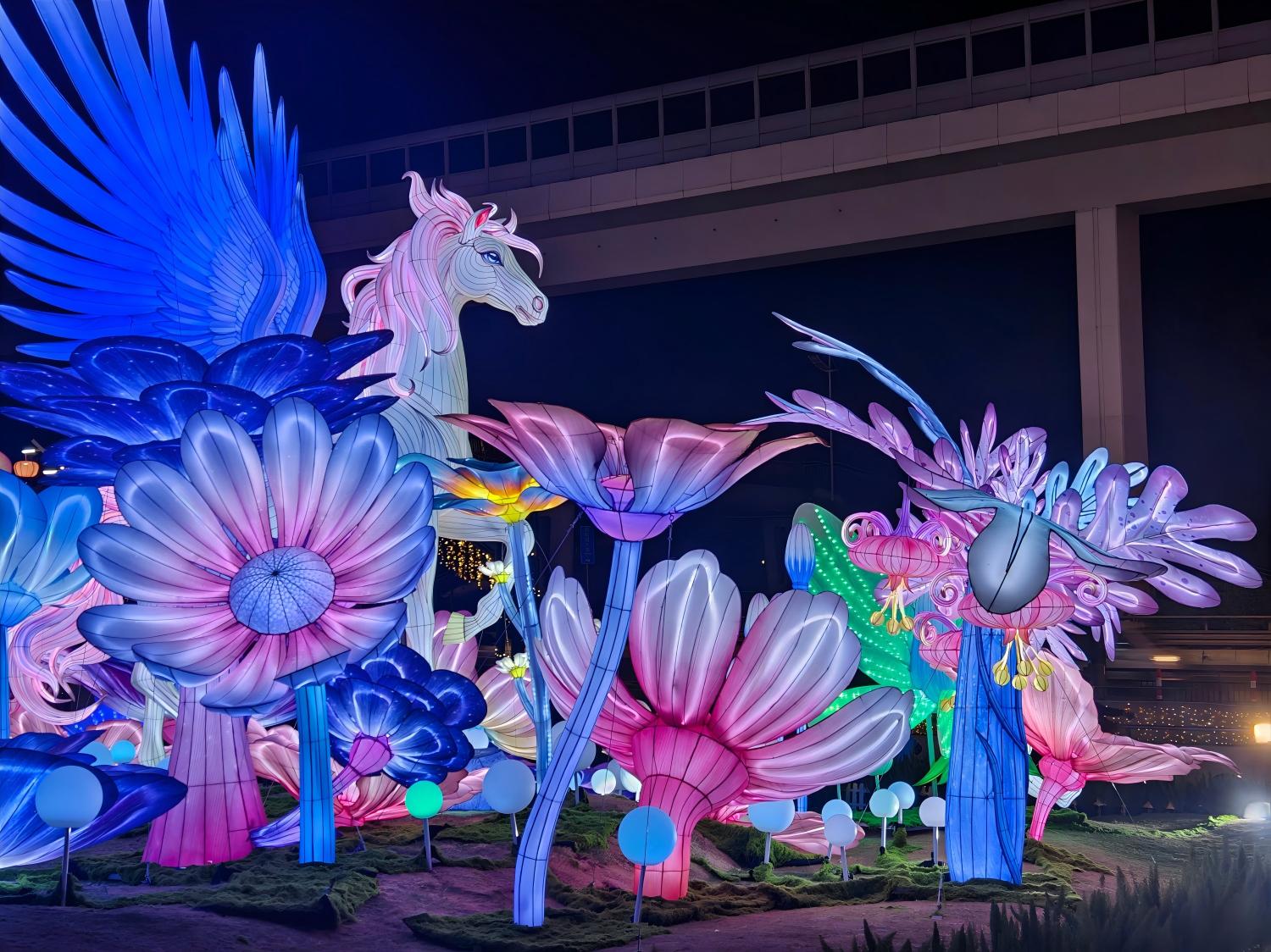
III. Lifecycle Management: Relocation & Solving “Visual Fatigue”
To maximize asset value and keep the audience engaged year after year, we implement a flexible relocation strategy:
- Strategic Relocation: If a location shows signs of visitor decline, we can negotiate a “Touring Shift” to move the lanterns to a partner venue or nearby city.
- Asset Rotation: For long-term venue partners, we support annual content refreshes, ensuring returning visitors always have something new to experience
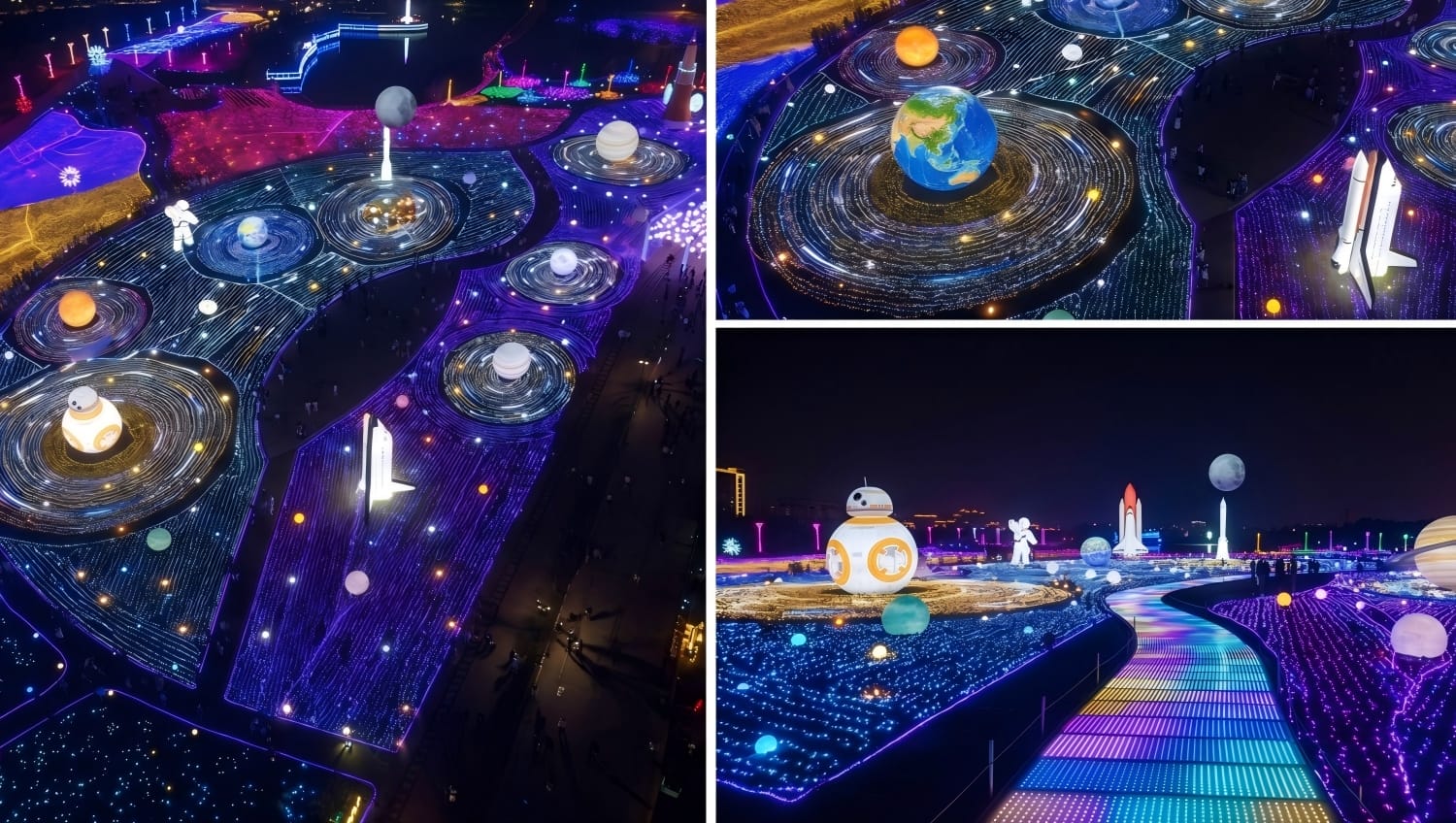
IV. Strategic FAQ for Decision Makers
Q1: How do we ensure profit if the marketing budget is high?
A: Marketing is the “fuel” for ROI. We use professional financial modeling to calculate the Break-Even Point (BEP). Usually, we recommend a budget of 10-15% of expected ticket revenue.
Q2: How is the ticketing revenue tracked and audited?
A: We require the use of a transparent third-party digital ticketing system with shared real-time dashboard access. Settlement cycles can be weekly or monthly as per the contract.
Q3: Are there real-world examples of this model?
A: Yes. You can browse our Global Case Studies, which feature successful revenue-sharing projects across the USA and Canada
Learn More About Our Cooperation Services
Success in a revenue-sharing model depends on professional execution. Explore our detailed
park light show project planning
to see how we manage design, production, and installation.
For more technical details and various joint-venture options, please visit our
cooperative lighting models page.
Ready to Boost Your Winter Revenue?
Contact our project specialists today for a free ROI Evaluation for your venue.
Post time: Apr-17-2026


