

Custom Light Trail Design for Parks and Outdoor Attractions
HOYECHI designs and produces commercial light trails for parks, zoos, botanical gardens, scenic areas, resorts, farms and outdoor event venues. We connect the entrance, illuminated route, themed zones, landmark scenes, photo points, commercial areas and exit into a practical visitor journey—not a random collection of decorations.

What Is a Light Trail?
A light trail is a planned walk-through nighttime attraction that guides visitors along an illuminated route with themed displays, light tunnels, landmark sculptures, interactive scenes and photo opportunities. Unlike ordinary path lighting, a commercial light trail is designed around visitor flow, dwell time, event capacity, ticket value, safety, installation and repeat operation.
HOYECHI is a manufacturer and project solution provider for custom lantern festivals, park light shows, Chinese lantern festival displays and outdoor light trails. ParkLightShow helps venue owners turn existing paths and landscapes into a structured nighttime experience through route planning, custom display production, modular delivery, pre-installation testing and installation support.
Why Build a Commercial Light Trail?
The value of an illuminated trail is not measured by how many lights are installed. It is measured by whether the route gives people a clear reason to visit, keeps the experience moving, creates memorable moments and supports the venue's operating goals.
Create Ticket Value
A sequenced journey with a strong entrance, varied zones and a recognizable climax feels like a complete attraction rather than free decorative lighting.
Extend Evening Use
Parks and tourism venues can use existing paths, parking, visitor services and landscapes after daytime attendance begins to fall.
Increase Stay and Spend
Photo points, rest areas, food, retail and interactive zones can lengthen the visit and create secondary revenue opportunities.
Build a Repeatable Event
Modular displays can be stored, rearranged, repaired and combined with new scenes for later seasons instead of being treated as one-use decoration.

How a Successful Light Trail Should Be Structured
A strong light trail has rhythm. Visitors need anticipation, visual changes, places to pause and a reason to continue. The route should not reveal every major scene at the entrance or repeat the same display density from beginning to end.
Arrival and TicketingParking approach, queue, ticket check, accessibility information, restrooms and event messaging should be clear before visitors enter the illuminated experience.
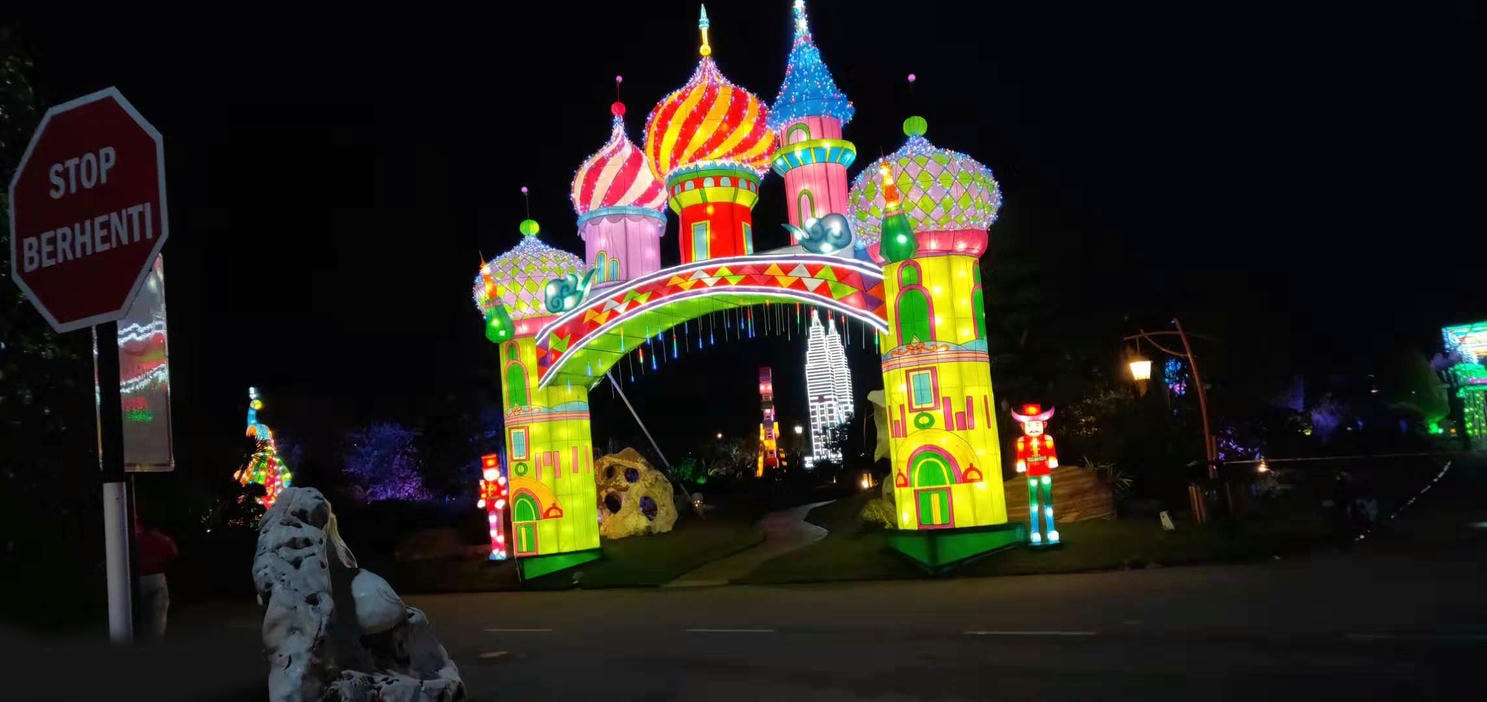
Entrance LandmarkA gateway, tunnel or branded sculpture establishes the visual promise and becomes the primary image for promotion, press and visitor arrival photos.
Story and Theme ZonesNature, animals, fantasy, culture, local landmarks or holiday scenes are arranged in chapters so that each section has its own identity.
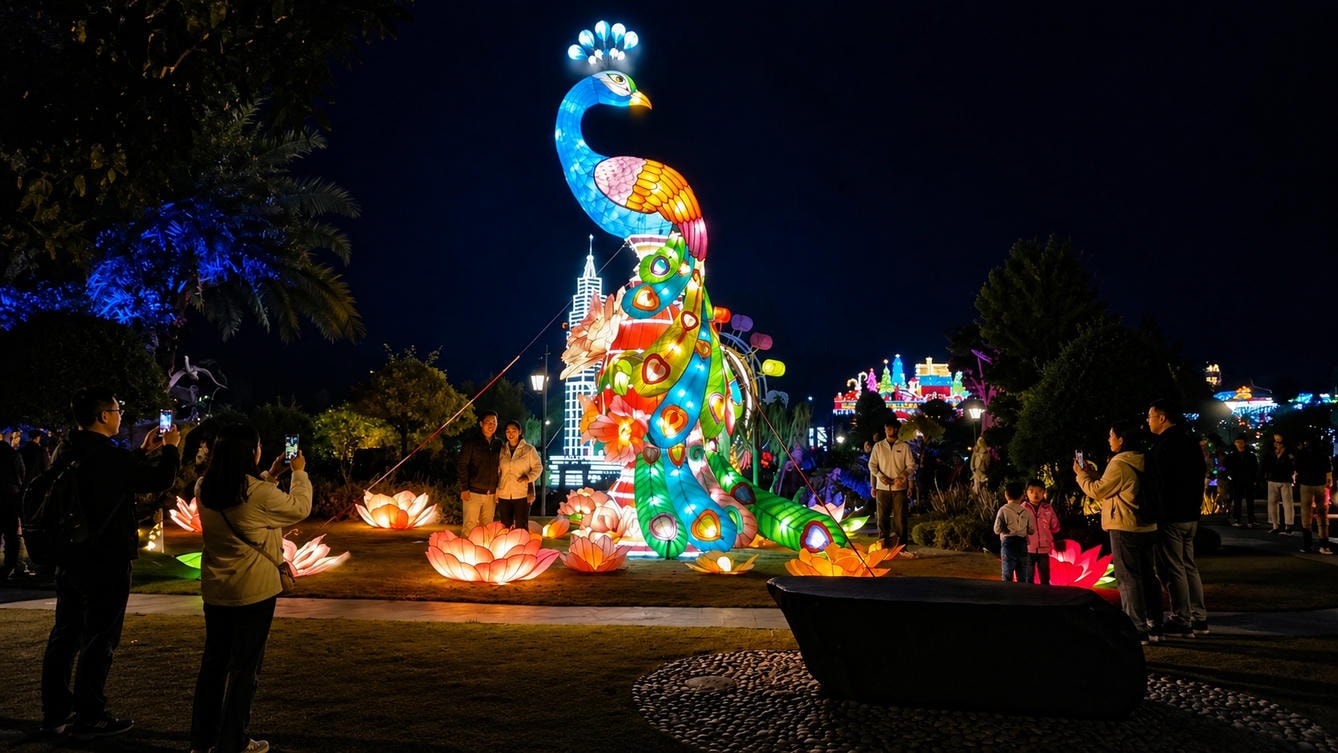
Signature ClimaxThe largest installation, immersive corridor, waterside reflection or interactive scene should reward visitors near the middle or later part of the journey.
Food, Rest and RetailCommercial areas work best where visitors naturally slow down, not where queues block a narrow path or where bright service lighting weakens the show.
Finale and ExitA final photo moment, souvenir opportunity and clear exit flow complete the experience while separating departing visitors from new arrivals.
Plan the Route Before Choosing the Displays
There is no single ideal trail length for every venue. The right design depends on the available path, target visit time, peak entry rate, visitor profile, terrain, accessibility, emergency access, climate, operating hours and the number of high-dwell photo scenes.
| Planning Factor | Questions to Resolve | Why It Affects the Project |
|---|---|---|
| Route format | Is a one-way loop possible? Do visitors cross, turn back or share paths with service vehicles? | One-way movement can simplify wayfinding and reduce opposing visitor flow when the site allows it. |
| Visit duration | How long should visitors walk, stop for photos, rest, eat and shop? | Ticket value depends on the complete experience, not distance alone. |
| Entry pattern | Will the venue use open entry, timed sessions, group arrivals or school and coach bookings? | Entry control affects queue design, crowd concentration and the number of visitors on the route at one time. |
| Pause points | Where will visitors stop for photos, interaction, refreshments or performances? | Popular scenes need space around them so queues do not block the main path. |
| Site constraints | Where are slopes, soft ground, trees, water, irrigation, power points and protected landscape areas? | Early site review reduces redesign, plant damage, unsafe cable routes and difficult installation. |
| Emergency planning | What local requirements apply to route width, evacuation, lighting, barriers and service access? | The final plan must be reviewed against local fire, electrical, structural, accessibility and event regulations. |
This is an operational planning relationship, not a substitute for a local crowd-safety assessment. Final capacity and route dimensions should be approved by the venue and relevant local professionals.
Where Commercial Light Trails Work Best
Parks and Scenic Areas
Existing paths, lakesides, lawns and wooded areas can become a ticketed evening route with seasonal themes and recognizable landmarks.
Zoos and Wildlife Parks
Animal, habitat, marine, insect and dinosaur zones can support family entertainment and educational storytelling after normal daytime hours.
Botanical Gardens
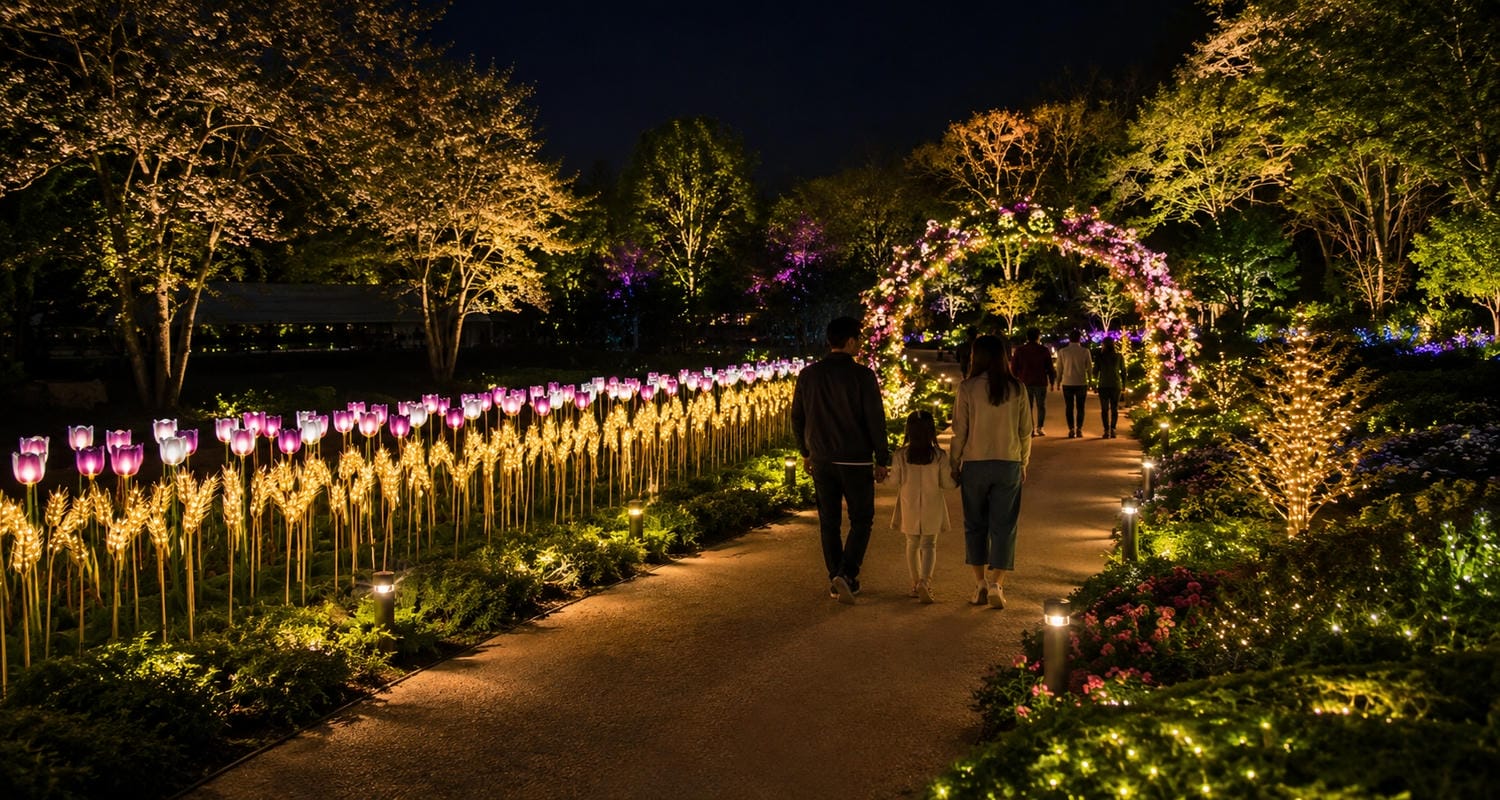
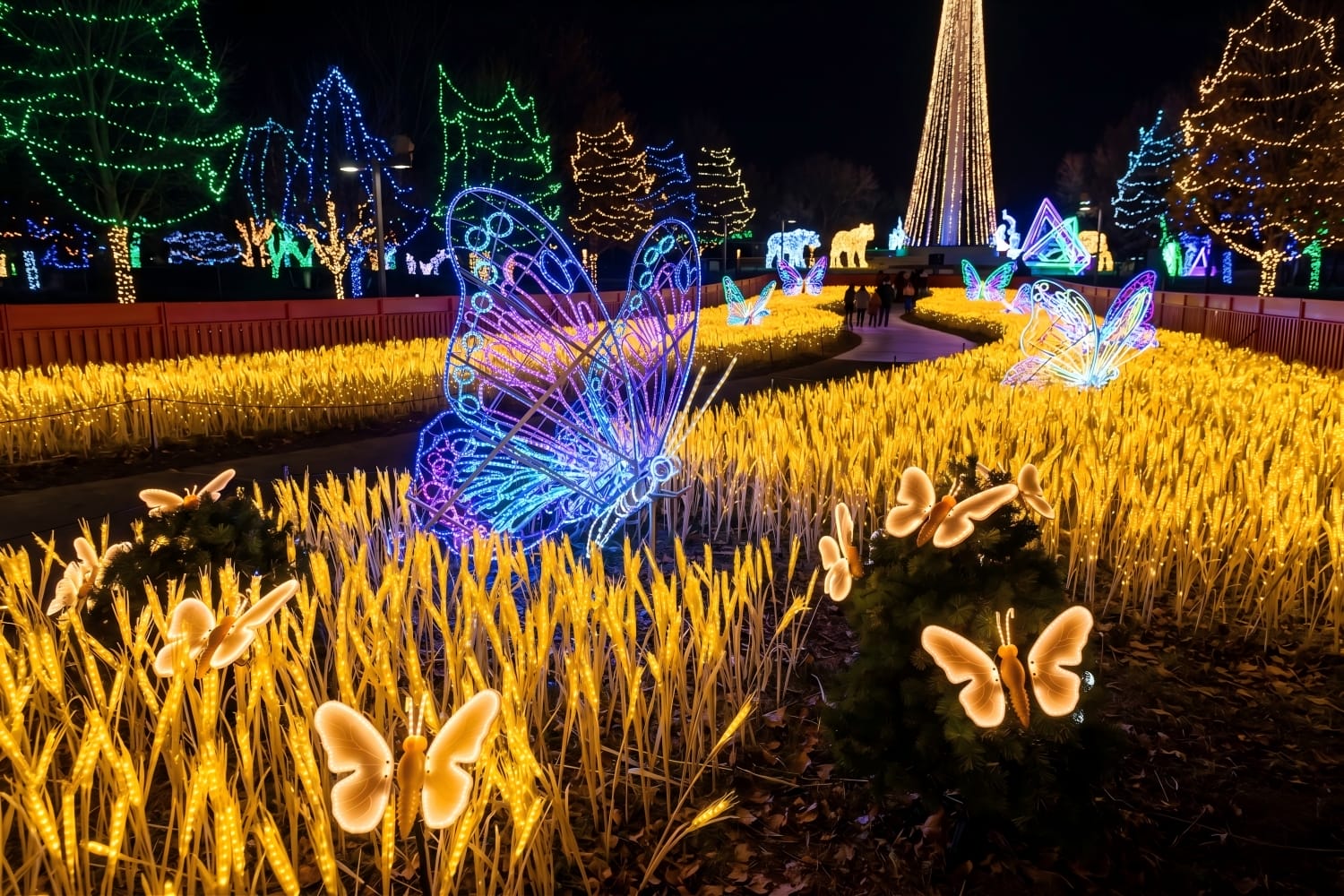
Flower lights, butterflies, glowing trees and low-level landscape scenes can create an illuminated trail while respecting sensitive planted areas.
Resorts and Destinations
A trail can become an evening guest activity, a holiday package feature or a public event that attracts visitors beyond overnight guests.
Farms and Estates
Seasonally quiet land can support winter light trails, Christmas events, harvest themes and family-focused outdoor experiences.
Commercial and City Venues
Plazas, waterfronts, shopping districts and event grounds can use shorter trails to generate foot traffic, sponsorship exposure and on-site spending.
What Can Be Included in a Custom Light Trail?
The product mix should follow the route concept and budget. More objects do not automatically create a better experience; the design needs visual hierarchy, contrast, dark transitions and enough variation to keep visitors curious.
Entrances and Gateways
Branded arches, lantern gateways and signature structures establish the event identity and support ticketing-area photography.
Immersive Transitions
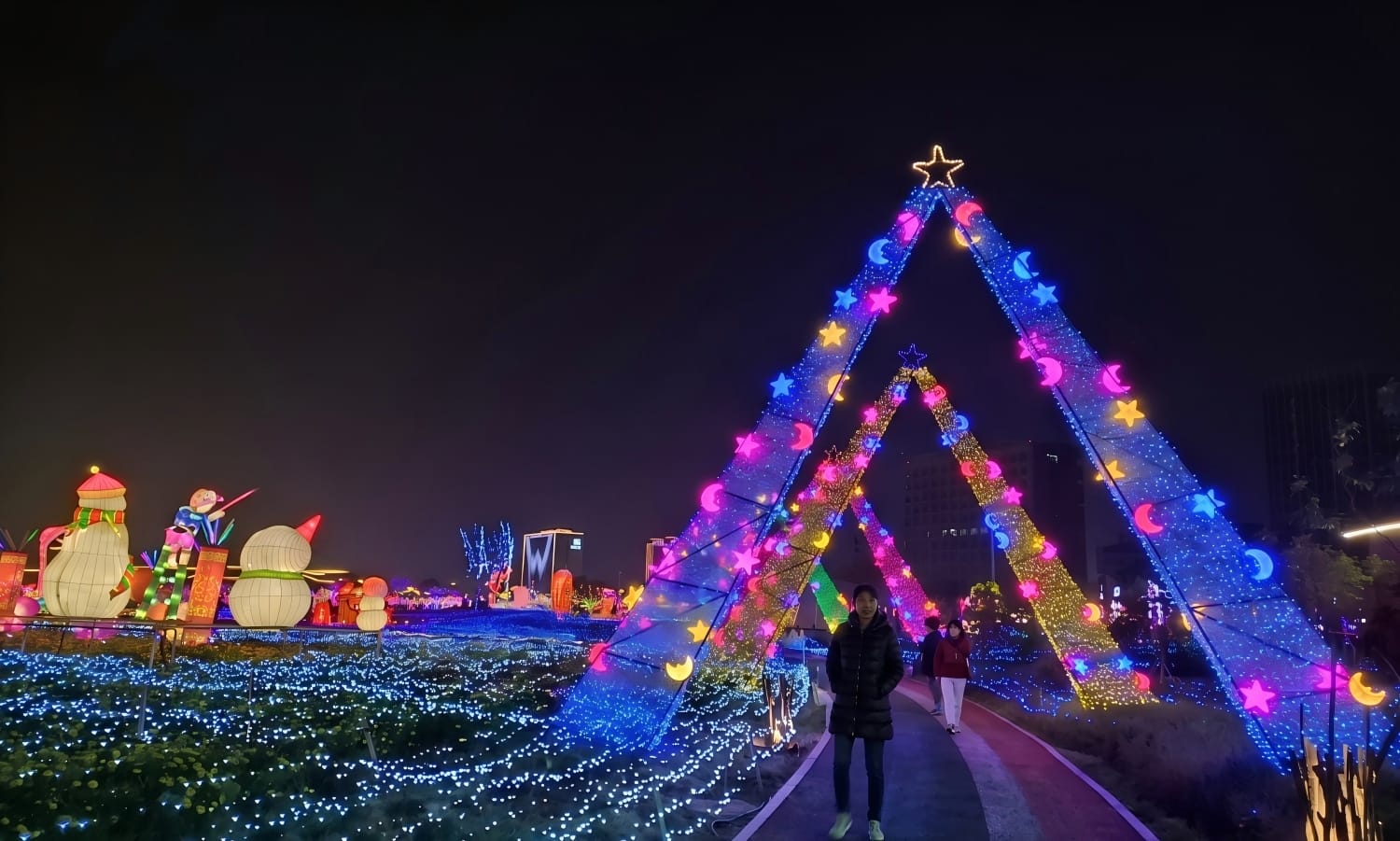
Light tunnels, overhead canopies, repeating arches and walk-through structures connect zones and change the visitor's sense of space.
Lantern Story Scenes
Animals, flowers, characters, dragons, dinosaurs, local culture and fantasy scenes can build clear thematic chapters.
Landscape Lighting
Tree, shrub, grass, pathway and waterside lighting fills visual gaps and helps integrate large displays with the existing site.
Interactive Photo Points
Frames, wings, walk-in ornaments, responsive effects and family scenes invite participation without obstructing the route.
Landmark Installations
A large central sculpture, waterside reflection, illuminated tree or custom venue symbol provides the visual climax and campaign image.
Light Trail vs. Drive-Through Light Show
A light trail is designed for people on foot. This allows visitors to stop, take photos, interact, buy food and move through smaller themed environments. A drive-through show is planned around vehicle speed, road clearance, traffic control and long-distance visibility.
- Choose a walk-through light trail when photo interaction, food, retail and longer dwell time are priorities.
- Choose a drive-through format when the venue has a suitable road network, difficult winter walking conditions or a vehicle-based operating model.
- Do not mix pedestrians and moving vehicles in the same experience without a professionally separated and locally approved plan.
For broader format selection, review our Light Show Solutions and Park Light Show pages.
Build the Business Model into the Route
A commercially useful trail connects the visitor experience with the venue's revenue model. The design should identify where visitors arrive, queue, pause, spend, rest and leave before production quantities are finalized.
Tickets and Timed Entry
General admission, timed sessions, family packages, VIP access and group bookings can be matched to peak-flow control.
Food and Retail
Refreshments, souvenirs and seasonal products should be placed near natural rest points and high-dwell areas.
Sponsorship and Branding
Named zones, branded photo installations and local-partner displays can support event financing without overwhelming the visitor story.
Private and Repeat Events
Corporate nights, member previews, school visits, holiday packages and annual refreshes can extend the value of the same project assets.
For budgeting, revenue assumptions and cooperation options, see the Light Show Business Plan and Venue Partnership for Light Festivals.
HOYECHI Light Trail Project Process
Production, Shipping and Installation Planning
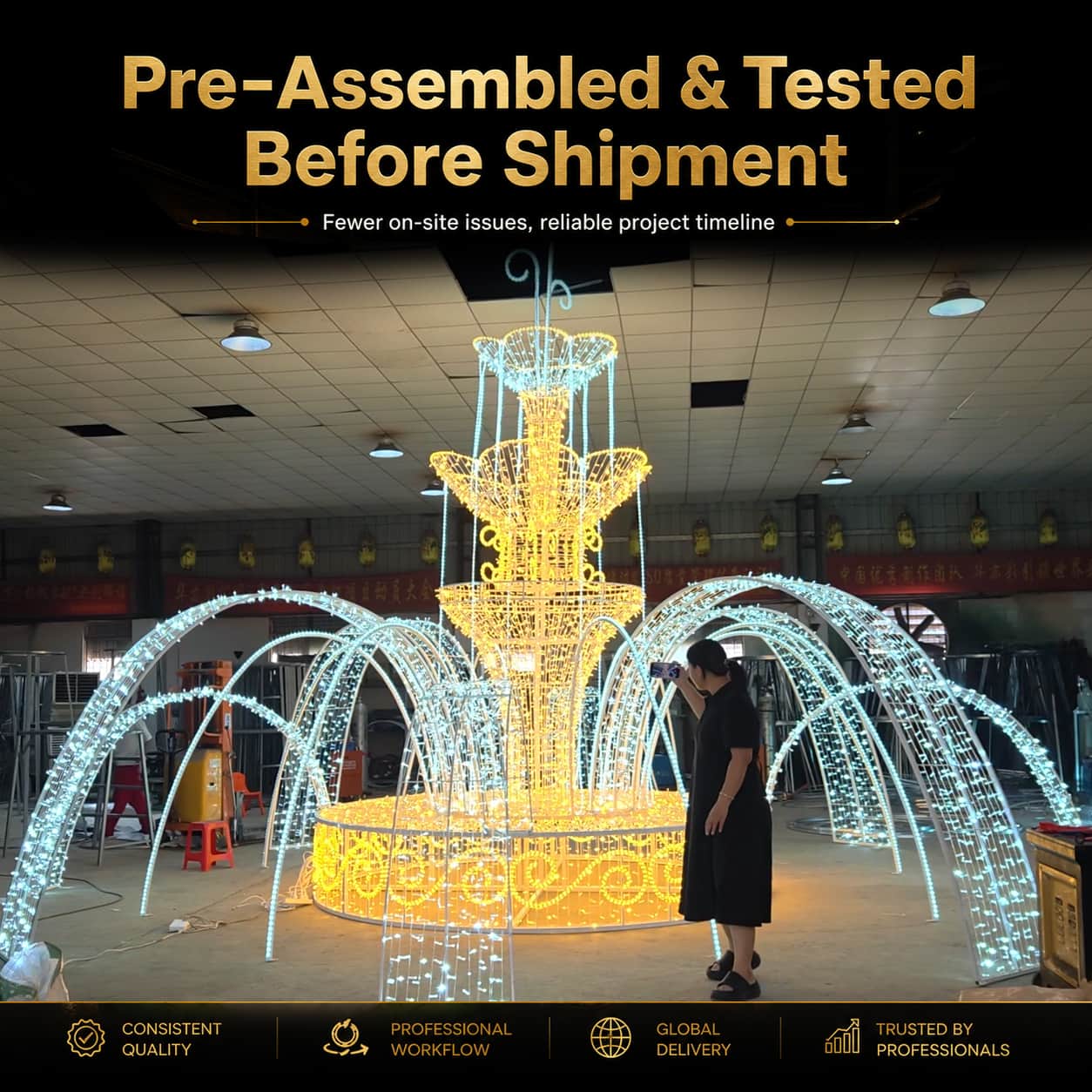
Large outdoor trails need more than attractive concepts. Display size, frame structure, weather exposure, cable routes, wind conditions, shipping volume, lifting access, installation sequence and future storage should be considered before production begins.
- Custom steel or aluminum structures selected for project needs.
- Modular, detachable or foldable sections for transport and repeated installation.
- Outdoor lighting, connectors and surface materials specified for the operating environment.
- IP65 systems, 24V low-voltage lighting, flame-retardant and UV-resistant materials available where the approved design requires them.
- Pre-installation, lighting checks, component labels and packing references before shipment.
- Installation drawings, videos, remote guidance and engineer support for suitable overseas projects.
Project specifications are finalized according to the venue, destination market and local requirements. Learn more about our production and installation support.
What to Send for a Practical Light Trail Proposal
A useful proposal begins with the venue and operating plan, not only a list of products. The more accurate the initial information, the more realistic the route, quantity, budget and delivery recommendation can be.
Venue and Route
- Country, city and venue type.
- Site map, route drawing, current photos and video.
- Approximate route length, usable width and entrance/exit locations.
- Terrain, trees, water, protected areas, power points and installation access.
Event and Business Goals
- Expected opening date, operating period and daily hours.
- Target visitors and estimated peak attendance.
- Ticketing, food, retail, sponsorship or destination-branding goals.
- Budget range, theme preference and required installation support.
Light Trail FAQ
What is the difference between a light trail and ordinary decorative lighting?
Ordinary decorative lighting mainly improves the appearance of a location. A commercial light trail is planned as a visitor journey with a defined entrance, route sequence, themed zones, photo points, capacity strategy, commercial areas, installation plan and exit flow.
Which venues are suitable for a light trail?
Parks, zoos, botanical gardens, scenic areas, farms, estates, resorts, amusement parks, commercial grounds, waterfronts and public outdoor venues can be suitable when they have a manageable route, safe operating conditions and a clear visitor or commercial goal.
How long should a commercial light trail be?
There is no universal ideal length. The route should be based on the desired visit duration, walking pace, terrain, audience, photo and rest time, display density, operating capacity, budget and local safety requirements. A shorter well-paced trail can deliver more value than a longer repetitive route.
Can HOYECHI design the trail from our venue map?
Yes. HOYECHI can review the site map, photos, route, visitor goals, theme, budget, event season and installation conditions to prepare an initial layout direction and custom display plan for suitable projects.
Can the theme be customized for our location?
Yes. Themes can be developed around local culture, animals, plants, landmarks, holidays, family audiences, brand identity or the venue's own story. Customization can cover entrances, sculptures, tunnels, photo installations and complete themed zones.
Can a light trail operate outside the winter or Christmas season?
Yes. Light trails can be planned for spring flower events, summer night visits, autumn festivals, cultural celebrations, zoo evenings, tourism campaigns and year-round seasonal programming. The visual style and operating plan should match local climate and visitor demand.
Can the displays be reused in future seasons?
Many displays can be designed with modular structures so they can be dismantled, stored, repaired, rearranged and combined with new scenes. Reuse planning should begin during design because it affects structure, packing, labeling and storage needs.
Do you provide installation support outside China?
Depending on the project scale, destination and service requirements, HOYECHI can provide installation drawings, packing references, videos, remote guidance and on-site engineer support for suitable overseas projects.
How do we begin a light trail project?
Send the venue location, map, photos, approximate route, event date, visitor target, budget range, theme direction and installation requirements. The HOYECHI team can then review whether the site is suitable and recommend the next planning steps.
Continue Planning Your Night Attraction
Turn Your Existing Route into a Ticketed Nighttime Experience
Send HOYECHI your venue map, route photos, expected season, visitor target and budget range. We will review the site conditions and help you define a practical light trail direction for design, production, delivery and installation.


