
Jungle animal lantern displays work best as coordinated scenes, not as a catalogue of unrelated animals. Start with one visual role for each element: a landmark animal, supporting figures, and a layer of illuminated plants or terrain. Then align the style, relative scale, color palette, viewing direction, and number of pieces so the supplier receives one clear scene brief.
HOYECHI has produced many kinds of animal lanterns, including tigers, lions, and elephants, for international projects. Previous work includes projects for the United States and Spain; customer names, exact venues, dates, and project outcomes are not disclosed in this guide.
Some buyers arrive with a defined animal or scene idea. HOYECHI then develops that idea into a practical visual proposal around the requested display function and project requirements. Other projects begin with a broad theme, and HOYECHI proposes the initial animal combination and design direction for the buyer to review. Size, color, quantity, and grouping are confirmed for the individual project rather than copied from a fixed package.

Official ParkLightShow by HOYECHI video showing real animal lantern forms, metal shaping, lighting installation, and artistic surface work in the factory.
Build One Visual World, Not a Random Animal Collection
A tiger, monkey, parrot, snake, and group of tropical plants can belong to the same broad theme, but they will not automatically look like one display. The scene still needs a visual hierarchy.
Choose the main subject first. This is the form that should remain recognizable from the intended viewing area and carry the strongest silhouette. Supporting animals can add movement, repetition, or a family-group feeling. Plant forms, rocks, mushrooms, branches, and illuminated leaves can then connect the separate figures into one visual environment.
This order matters because buyers often begin with a species list. A better brief describes what each group should do. One animal may act as the landmark, another group may fill a lower foreground, and a third element may connect the scene to the next display. The result is easier to discuss than a list in which every animal is expected to be equally large and equally important.
Six Jungle Animal Lantern Scene Formats
1. A Big-Cat Landmark
A tiger, leopard, or jaguar can serve as the principal figure in a jungle-themed display. A standing profile creates a long silhouette, while a forward-facing pose can create a stronger frontal image. A crouching or climbing pose changes the direction of the composition and may suit a scene built around branches or rocks.
The buyer should decide whether the animal should look realistic, graphic, friendly, or fantasy-led before the supplier develops details. Mixing a realistic head with cartoon proportions and unrelated decorative colors can make the scene difficult to read.
Keep the surrounding elements subordinate. Smaller plant forms, low rocks, illuminated leaves, or one supporting animal can frame the landmark without competing with it.

2. A Primate and Canopy Group
Monkey, ape, or gorilla figures can create a vertical scene when branches, vines, and elevated plant forms are part of the composition. The visual interest comes from different heights and poses rather than from making every figure large.
One figure might sit or face the viewing area, while smaller forms appear to climb or look toward it. The buyer should identify the principal viewing side, because facial direction and branch placement can change how the group reads from the path, plaza, or photo area.
If accurate species interpretation matters to the venue, the final species list and visual references should be checked by the venue or an appropriate subject specialist. The lantern supplier should receive approved references rather than be expected to define the educational content.
3. A Tropical Bird Color Group
Parrots, toucans, peacocks, flamingos, or other recognizable bird forms can introduce color and a different silhouette into an animal-lantern collection. A single bird with an expanded tail can act as a focal piece, while several smaller birds can create repetition through posture and color.
Color needs a clear rule. One approach is to use a controlled family of greens, blues, and warm accents across the birds and plants. Another is to keep the background quieter so a highly colored bird remains the main subject. Using every available color on every figure often weakens the hierarchy.
Bird figures also require an early decision about position. A ground-based group, an elevated form, and a branch-mounted composition are different briefs and should not be treated as interchangeable after the design is approved.
4. A Reptile and Amphibian Close-View Scene
Snakes, crocodiles, chameleons, frogs, and similar forms can support a lower, more detailed scene. Their long, low, or compact shapes offer a contrast to tall mammals and birds.
These figures may work well with oversized leaves, reeds, mushrooms, logs, or water-edge visual elements, but the buyer should define whether the scene is realistic, decorative, or fantasy-based. A realistic crocodile group and a brightly stylized frog garden can both be valid, yet they belong to different visual languages.
Small details should be considered in relation to viewing distance. A complicated surface pattern that looks attractive in a close rendering may have little effect if the installed figure is mainly viewed from farther away.
5. A Layered Jungle Plant Environment
Animal figures need visual context, but the plants should not become a second unrelated flower display. Use plant forms to establish height, depth, and transitions.
Tall leaves or tree forms can create a background line. Medium plants can connect neighboring animals. Low mushrooms, grasses, stones, or small illuminated details can cover visual gaps and keep the foreground from feeling empty.
The plant palette should support the animals. Repeating one or two greens across several elements can connect the scene, while a controlled accent color can guide attention toward the main animal. The exact mix should follow the approved concept rather than a universal recipe.
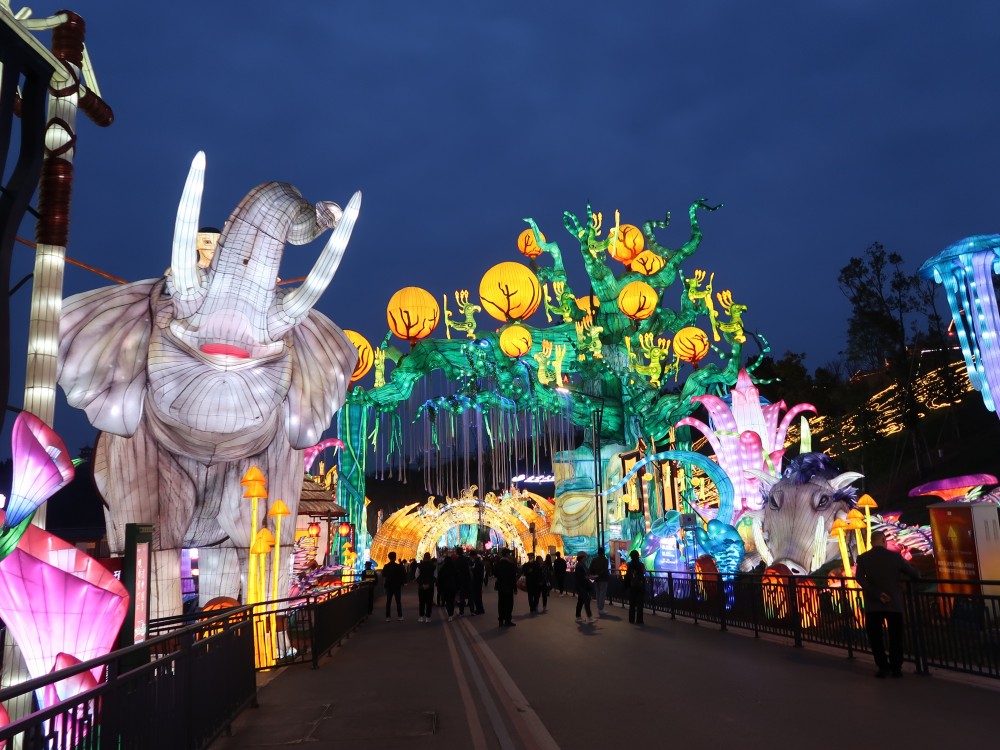
6. A Separate Safari Companion Chapter
Buyers often use “jungle animals” as a broad label for wildlife displays, but lions, giraffes, zebras, and many familiar safari animals create a different visual chapter from a tropical jungle scene.
They can still belong to the same larger event, but separating the chapters makes the creative brief clearer. A jungle section may use dense leaves, climbing poses, tropical birds, and reptiles. A safari section may use more open spacing, herd groups, grasses, and broad silhouettes.
This distinction is especially useful when a venue wants its theme to feel intentional rather than treating every animal as part of the same habitat. If educational accuracy is part of the project, the venue should approve the species grouping and interpretation.

Match Each Display Element to a Clear Role
| Scene element | Possible visual role | Questions for the buyer |
|---|---|---|
| Tiger, leopard, or jaguar | Main landmark | Which viewing side matters most? Realistic, stylized, or fantasy-led? |
| Monkey, ape, or gorilla group | Vertical or character scene | Is one figure dominant? Are branches or elevated elements part of the concept? |
| Tropical bird group | Color focus or repeated accent | Should one bird be the focal point, or should several create rhythm? |
| Reptile or amphibian forms | Low foreground or detailed close-view scene | How close will the intended viewing area be? |
| Leaves, trees, vines, and mushrooms | Background, transition, or gap-filling layer | Which elements connect the animals without competing with them? |
| Safari animals | Separate companion chapter | Should this group be visually separated from the jungle scene? |
The table is a briefing tool, not a fixed product list. A small venue may need one compact composition, while a larger project may divide the theme into several display groups. Quantity should follow the available space, desired hierarchy, budget direction, and approved project scope.
Decide Style, Scale, Color, and Quantity Before Final Design
Choose One Visual Style
Realistic animal proportions can suit a nature-led or educational presentation. Softer expressions and simplified proportions can create a more playful family style. Fantasy colors and exaggerated forms can work in a story-led light festival.
The important decision is consistency. A scene becomes harder to understand when every animal follows a different visual rule.
Use Relative Scale to Show Importance
The largest piece does not need to represent the physically largest animal. Scale can indicate the visual role of the display.
A tiger may become the landmark, while smaller monkeys, birds, and plant forms support it. In another composition, a tall gorilla or an expanded bird tail may become the principal silhouette. Buyers should communicate the available height, width, viewing direction, and desired focal point before requesting a final concept.
Limit the Palette
Color should separate subjects while keeping the scene connected. Buyers can provide brand colors, event colors, reference images, or a preferred mood. The supplier can then develop a coordinated palette for review.
Avoid treating color approval as a list of individual choices made one animal at a time. Review the full group so the landmark remains visible and the supporting pieces do not become equally dominant.
Define Quantity by Scene Function
There is no universal number of animal lanterns for a jungle display. A single large landmark with supporting foliage can be a complete photo installation. A themed zone may need several groups with different visual roles.
Instead of asking only, “How many animals can fit the budget?” ask:
- Which figure introduces the theme?
- Which group carries the main visual identity?
- Which elements create repetition or movement?
- Which plants connect the scene?
- Which pieces can be removed without weakening the idea?
These questions help turn quantity into a design decision rather than a catalogue count.
Common Briefing Problems to Avoid
Every Animal Is a Landmark
When every figure is specified as very large, highly detailed, and brightly colored, the scene loses hierarchy. Select one or two priority forms and let the remaining pieces support them.
Jungle and Safari Are Mixed Without a Plan
Combining every familiar wildlife species may be acceptable for a broad fantasy event, but it should be intentional. If the venue wants a more coherent nature theme, separate tropical jungle and open-safari groups.
The Buyer Provides Images but No Visual Priority
Reference images are useful, but the supplier still needs to know which form is the landmark, which details are essential, and which references are only mood examples.
Size Is Discussed Without Site Context
A requested height alone does not explain the available width, viewing direction, surrounding structures, or the role of the piece. Site photographs and usable dimensions make the design conversation clearer.
Background Elements Are Added at the End
Plants, rocks, and supporting forms affect the composition from the beginning. Adding them only after the animal figures are finalized can make the group look crowded or disconnected.
What to Send a Lantern Supplier
A useful first brief does not need to be a finished design. It should give the supplier enough context to propose a coherent direction.
Prepare:
- venue type and destination;
- photographs or video of the intended display area;
- approximate usable height, width, and depth;
- the principal viewing side or sides;
- preferred animals and any required local species;
- whether the style should be realistic, friendly, graphic, or fantasy-led;
- reference images and an explanation of what you like in each one;
- preferred colors or brand guidelines;
- whether you want one landmark, one grouped scene, or several coordinated groups;
- target opening date and budget direction;
- any known requirements for delivery, local installation, dismantling, storage, or later reuse.
This information does not replace project-specific technical review. It gives the creative and manufacturing teams a clearer basis for discussing the concept, scope, and next decision.

Frequently Asked Questions
What animals work best in a jungle lantern display?
There is no single required list. Big cats, primates, tropical birds, reptiles, amphibians, and selected plant forms can support a jungle visual language. Choose animals that fit the venue’s intended story and approved references rather than copying a generic package.
Should animal lanterns look realistic or stylized?
Either direction can work. Realistic forms may suit a nature-led presentation, while simplified or fantasy-led forms can suit a playful light festival. Keep the chosen style consistent across the main animal, supporting figures, and background.
Can lions, giraffes, and elephants be included?
They can be included in a wider wildlife event, but they may read more clearly as a separate safari or savanna chapter. Separating the chapters helps the supplier understand the desired scenery, spacing, plants, and color direction.
How many animal lanterns are needed?
The answer depends on the usable area, the number of scene groups, the desired hierarchy, and the approved budget and scope. One landmark with supporting plants may form a complete installation; a larger zone may need several coordinated groups.
How should buyers choose the size?
Start with the display’s role, available dimensions, intended viewing area, surrounding objects, and principal viewing direction. Share that context with the supplier before approving exact dimensions or a final structure.
What information helps a supplier prepare a useful concept?
Provide site images, usable dimensions, preferred animals, style and color references, target date, destination, budget direction, and the desired number of scene groups. Explain which ideas are mandatory and which are optional inspiration.
Turn a Wildlife Theme into a Clear Display Brief
A strong jungle animal lantern concept begins with hierarchy: one clear visual idea, recognizable animal roles, coordinated color, and background elements that support the main scene.
For the wider product category, project context, and supplier discussion, review Custom Animal Lanterns for Zoos, Parks and Light Festivals. Prepare your site images, available dimensions, animal references, target date, destination, and budget direction before starting the project conversation.
Post time: Aug-27-2026


