

Should visitors recognize your name, a familiar character, or the shape of your product? Start there when planning custom branded lantern displays. The answer helps define the main subject before the discussion moves to size and setting.
For a festival operator, the display might be a sponsor feature within a larger event. For a brand or agency, it might be the main scene at a launch. A useful brief connects that purpose with the features visitors should recognize and the space where the lantern will stand.
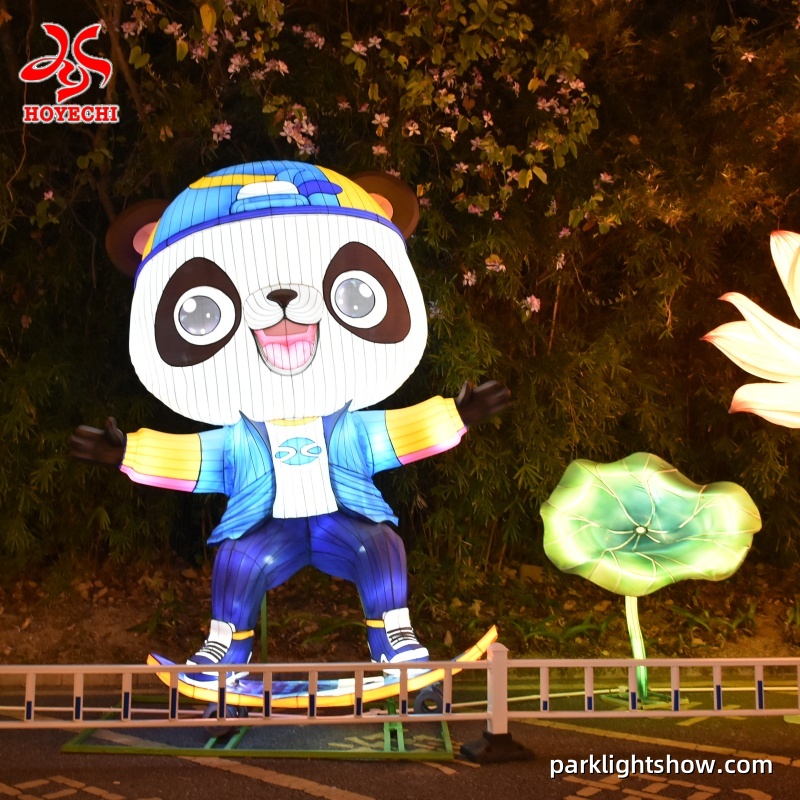
Choose the Brand Element Visitors Should Recognize
Choose one element to lead the composition. A logo, mascot, and product form each give the design a different starting point.
| Form | What visitors should recognize | Key design question |
|---|---|---|
| Logo lantern | The brand name or symbol | Which lettering proportions and symbol details must remain consistent? |
| Mascot lantern | A familiar character | Which facial features, proportions, expression, and pose define the character? |
| Product-shaped lantern | A distinctive product outline | Which silhouette, main colors, and packaging details carry the identity? |
A combined scene can bring these elements together. Decide which one leads before adding supporting pieces, so the proposal has a clear focal point.
Keep the Essential Features Consistent
Mark the features that must stay close to the approved reference. A logo may depend on its proportions and letter spacing. A mascot may be recognized through its face and body shape. A product may rely on its outline and a few main color areas.
Then identify what can be adapted, such as the pose, surrounding scenery, or secondary detail. If a small graphic detail needs simplification, show the proposed treatment in the design for discussion.
A single front image may leave the sides and back undefined. Those views should be resolved in the proposal so the physical form is understood before production.
Design the Combination Around the Site
Start with the direction visitors will approach from. The subject’s main identifying face should meet that approach, with any separate logo or lettering positioned where the character and scenery will not hide it. For people and camera framing, see our lantern festival photo-spot design guide.
In HOYECHI’s general project experience, combinations often go through revisions because clients know their own venues best. The main subject and supporting scenery are developed together, with changes made until the client is satisfied with the proposed arrangement. Available space and the surrounding setting may require adjustments.
State whether the commissioned group includes the main lantern alone or also its base, lettering, and surrounding pieces.
Set Appearance Requirements During Design, Then Check the Finished Lantern
During the design stage, make the required shape, wording, and included scenery clear. Review the subject in its proposed arrangement, including whether the important brand features remain visible. After the lantern has been made, check its actual appearance against the agreed design.
When checking the finished lantern, daytime and illuminated views reveal different things. In our general lantern work, daytime views help show colors, overall form, joins, and surface wrinkles. Illuminated views show light distribution and bright or dark areas. For a branded subject, review both in relation to the lettering, face, or outline that needs to remain readable. Our day-and-night lantern guide covers that distinction in more detail.
Send the Artwork and Venue Information You Already Have
You can begin with available brand references and venue information. Send the logo, character, or product images you have, any applicable brand guidelines, and a note about the features that should stay consistent. Make sure the artwork is cleared for the intended use.
Useful venue inputs include:
- The venue type and an available site plan.
- Daytime photographs of each proposed display location; an overall nighttime view can provide additional context.
- The broad theme, priority areas, and intended opening date.
- Budget, quantity, and preferred dimensions, if already known.
HOYECHI’s team uses the available information to propose the combination and work through revisions with the client. You do not need to finish a professional display design before starting that discussion. In the workflow described by our team, the overall design is confirmed before the project contract is signed, and production begins after the deposit is paid. See the custom lantern design process for the broader sequence.
Questions Buyers Ask
Can I start with one reference image?
Yes. It can establish the subject, with any missing side and rear views developed during the proposal discussion.
Can a logo and mascot share one lantern group?
They can be considered together. Give one the leading role and place the other where it remains visible in the proposed arrangement.
Do I need to decide every dimension first?
No. Share the available space and any size preferences; the dimensions can be discussed as the scene develops.
Explore our custom lantern displays, or contact the HOYECHI team with your brand reference, venue photos, event date, and the features you want visitors to recognize.
Post time: Jun-22-2025


