
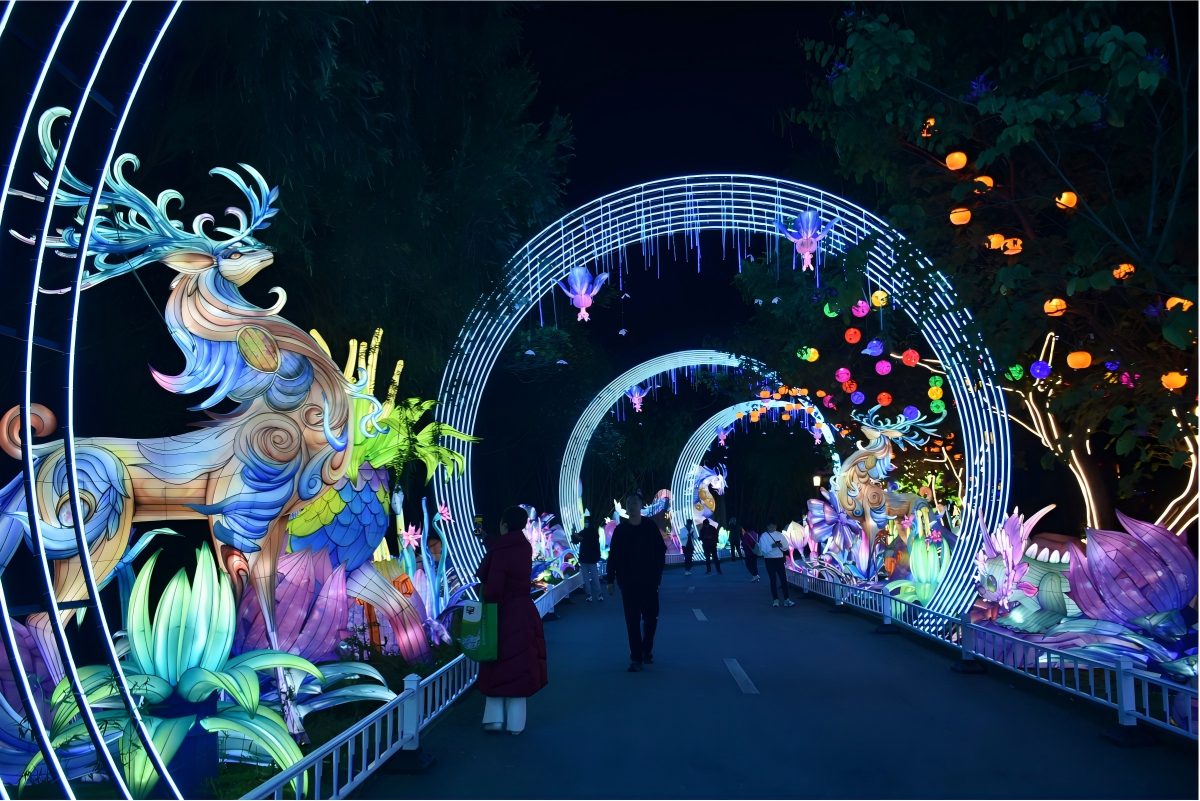
Quick answer: A successful second-season lantern festival does not require replacing every display. The most practical strategy is to retain recognizable landmarks, refurbish safe and reusable structures, reorganize familiar lanterns into a new story, and add a limited number of high-impact new experiences.
This approach protects the value of your existing assets while giving returning visitors a clear reason to buy tickets again.
After a successful first year, parks, zoos, scenic areas, resorts and event operators often face the same commercial question: how can the festival feel genuinely new without rebuilding the entire project?
Repeating the same entrance, route and major scenes may disappoint returning visitors. Replacing everything, however, increases design, production, shipping and installation costs. The better solution is a structured refresh based on asset condition, visitor feedback and the next season’s revenue goals.
Why the Second Season Needs a Different Strategy
In the first season, novelty is already a powerful attraction. In the second, returning visitors ask a more demanding question: “What is different this year?”
The update must therefore achieve two goals at the same time:
- Visitor goal: create enough visible change to support repeat attendance, fresh photography and new word-of-mouth.
- Operator goal: reuse suitable assets, control repeat investment, shorten installation and improve the commercial return of the event.
A refreshed commercial lantern festival project should be planned as a ticketed night attraction, not simply as a collection of decorations being switched on for another year. Entrance impact, visitor flow, photo opportunities, food and retail zones, sponsorship exposure and the final visitor impression all matter.
Start with Four Decisions: Retain, Refurbish, Reframe or Add
Before purchasing new lanterns, classify every existing display according to its physical condition and its value to the visitor experience.
1. Retain Recognizable Landmarks
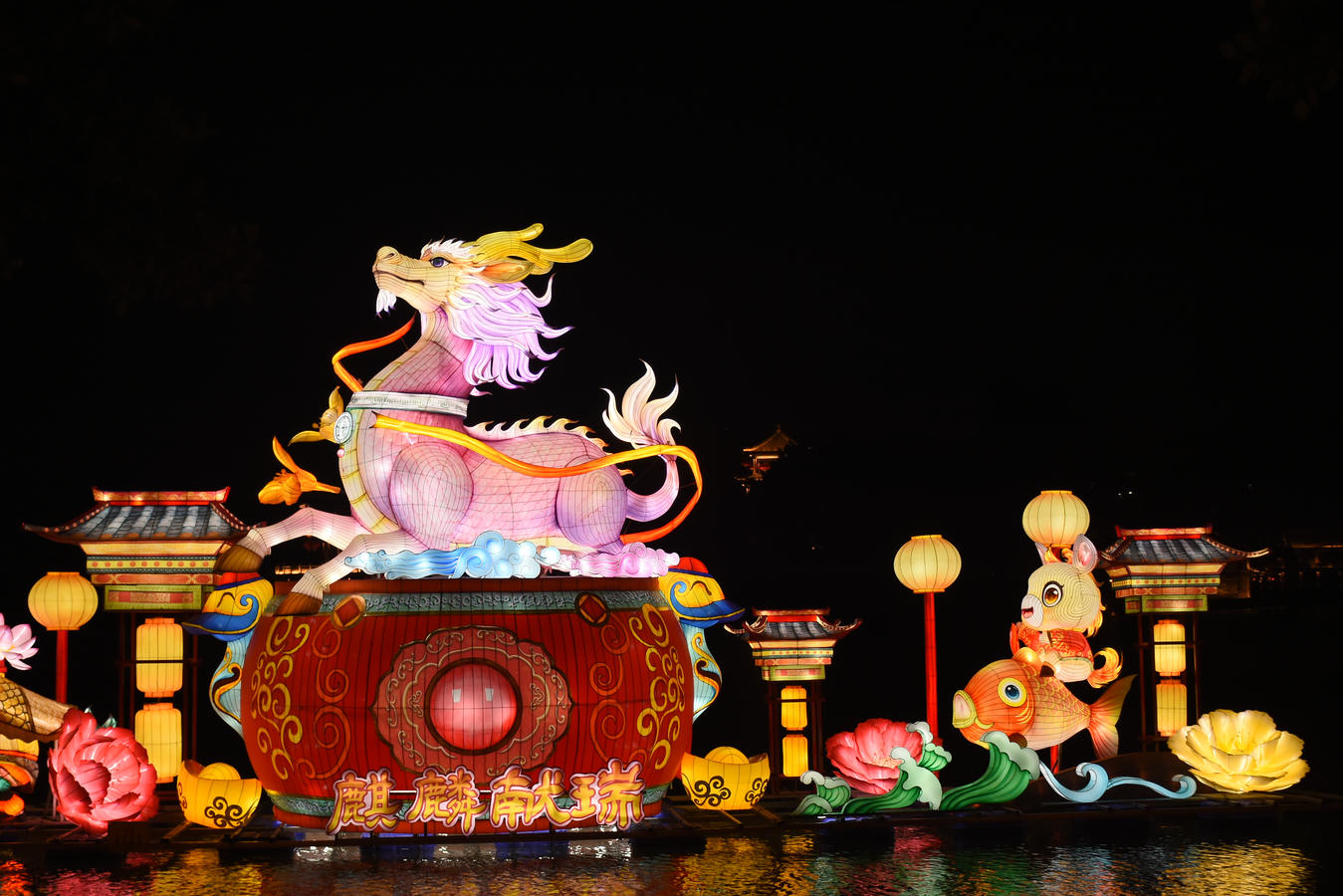
A giant dragon, mythical animal or venue-specific landmark may already be associated with the event. If it remains safe, reliable and visually strong, it can return as a familiar festival icon. A new location, background, lighting composition or surrounding story can make it feel fresh without losing recognition.
2. Refurbish Displays with Sound Main Structures
Some lanterns have usable metal structures but worn fabrics, failed lighting or dated decorative details. These assets may be suitable for partial refurbishment rather than complete replacement.
- Replace damaged, dirty or faded outer materials.
- Repair failed LED strings, wiring, waterproof connectors and power components.
- Reinforce damaged welding, supports, bases or connection points.
- Update colors, patterns, signs and scenic backgrounds.
- Improve modules, numbering and packing for faster future installation.
3. Reframe Familiar Lanterns within a New Story
Moving a lantern is not enough by itself. Existing assets should be reorganized into a new theme with clear transitions and a different visitor sequence. Separate pandas, deer, butterflies and flowers, for example, could become a complete “Forest to Garden” journey.
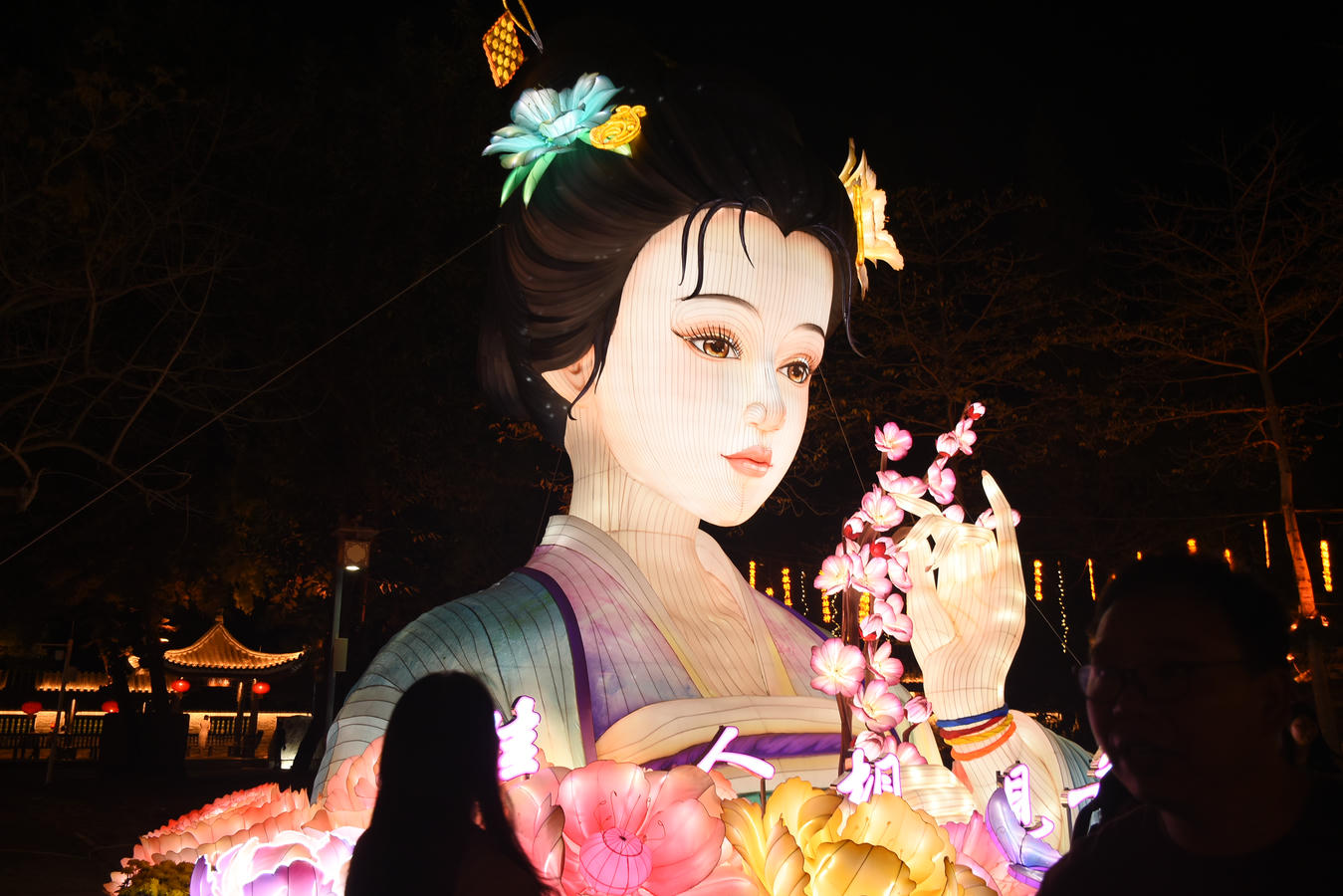
When reorganizing existing custom Chinese lantern festival displays, consider viewing distance, photography space, route transitions, nearby trees or water, and whether the new arrangement is clearly different from the previous season’s most shared scenes.
4. Add a Limited Number of High-Impact New Displays
New content should be concentrated where it can influence ticket sales and visitor perception most strongly. Priority additions may include:
- A redesigned entrance landmark
- One complete new themed zone
- A large signature display for advertising and media coverage
- A new interactive or family photo experience
- A stronger visual finale at the end of the route
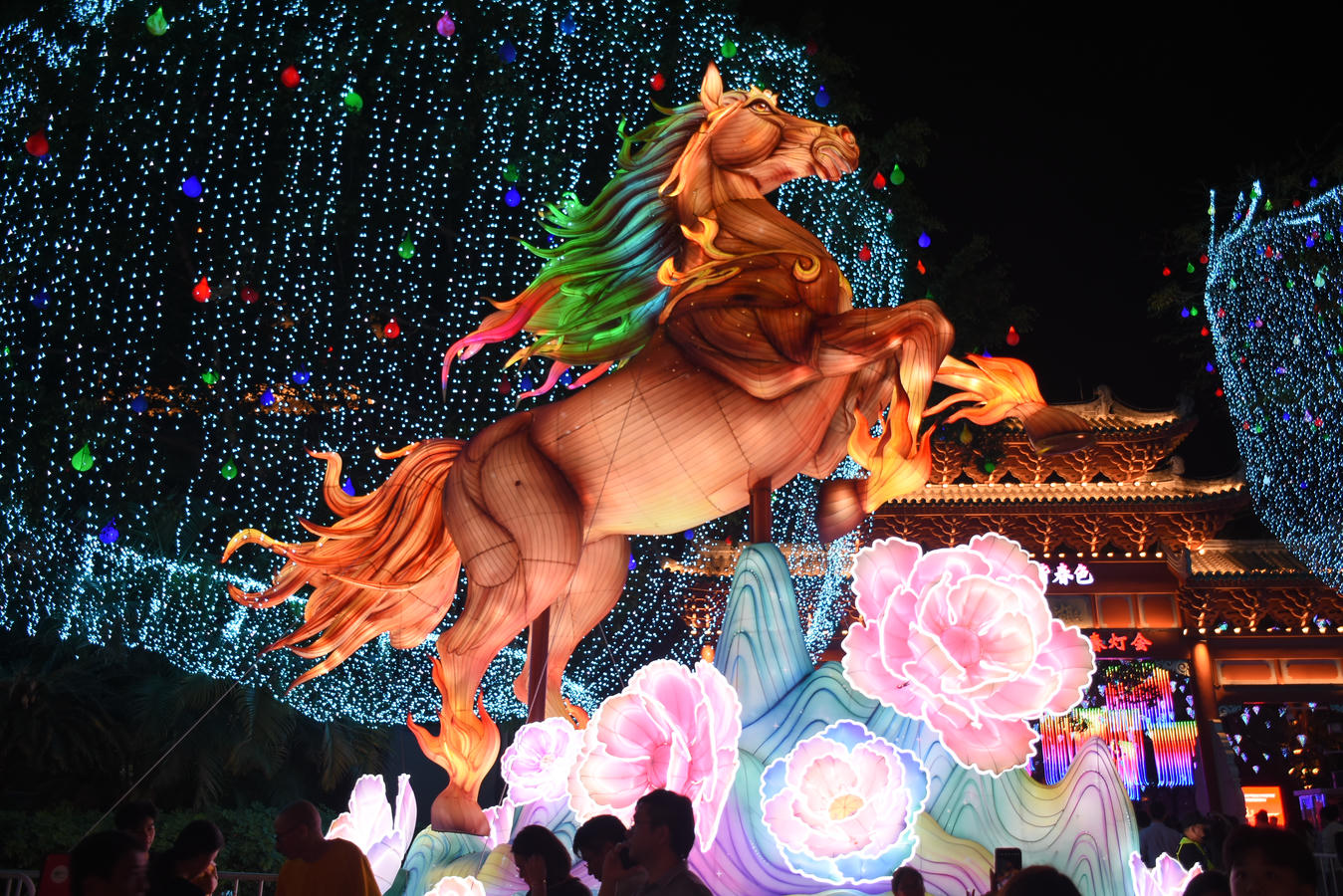
- A local story, anniversary theme or annual zodiac feature
Audit Every Display Before Reuse
A lantern that appears complete from a distance may still require structural, electrical or surface repairs. Before confirming the second-season layout, create an inventory and inspect:
- Metal structures for deformation, corrosion and damaged welding points
- Bases, supports, connectors and anchoring positions
- LED strings, wiring, transformers, controllers and waterproof connectors
- Electrical insulation and outdoor weather-protection components
- Outer fabrics for fading, tears, dirt and loss of tension
- Moving or interactive components
- Module numbers, installation drawings, accessories and spare parts
- Packing cases and their suitability for another transport and storage cycle
Only after this review should each asset be approved for retention, repair, redesign or replacement. Safety and operating reliability should never be sacrificed to reduce the refresh budget.
Upgrade the Four Places Visitors Notice Most
The Entrance
The entrance forms the first impression and appears frequently in advertising, media reports, short videos and visitor photographs. A new entrance communicates that the season has changed before guests enter the main route.
The Core Theme Zone
At least one area should feel genuinely complete and new. A coherent theme zone is easier for visitors to remember and gives the marketing team a clear campaign focus.
The Main Photo Installation
A strong photo point should account for where people stand, display scale, background distractions, queue space and nighttime photography. A new photo scene can generate visitor-created content and organic promotion throughout the season.
The Festival Finale
The end of the route should provide a visual climax rather than allowing the experience to fade out. A panoramic scene, coordinated lighting, performance element or destination photo point can create a stronger final memory. The finale can also lead visitors naturally toward food, retail, souvenirs or sponsor areas before departure.
Not Sure What to Reuse or Replace?
Send HOYECHI your previous site plan, event photos, lantern inventory, opening date and approximate budget. We can help identify which assets may be retained, refurbished or reorganized—and where new content will create the greatest visitor impact.
Make “New This Year” a Real On-Site Experience
Second-season marketing should not promise a new experience while showing almost the same event. Every advertised change should be easy for visitors to recognize on site.
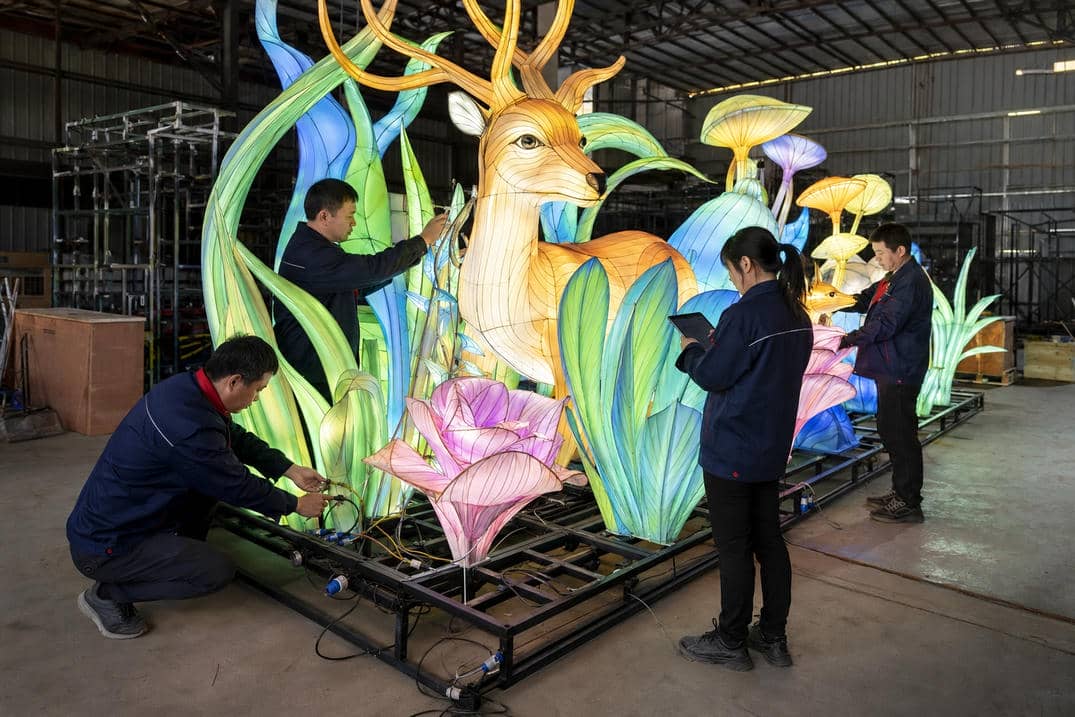
Before opening, venues can release concept drawings, manufacturing updates, factory pre-installation, on-site assembly and lighting tests. This builds anticipation and provides credible evidence that the festival has been upgraded.
A strong “New This Year” campaign may focus on:
- A completely redesigned entrance
- A first-time themed zone
- A newly commissioned giant landmark
- A new local cultural story
- A new interactive or family photography experience
- An annual zodiac or seasonal theme
- A redesigned route finale
Where Should the Second-Season Budget Go?
| Existing Situation | Recommended Action | Commercial Objective |
|---|---|---|
| Good condition and strong visitor recognition | Retain and reposition | Preserve event identity and reduce repeat investment |
| Sound main structure but aged lighting or surface material | Partially refurbish | Restore visual quality and operating reliability |
| Good display previously installed in a weak location | Reframe within a new theme | Change how visitors experience the asset |
| No strong new promotional feature | Add an entrance, theme zone or landmark | Create a credible reason to return |
| Long installation time or disorganized components | Improve modules, numbering and packing | Reduce future installation time and labor risk |
| Visitors report repetition or a weak finale | Update the core zone and route ending | Increase repeat-visitor appeal and spending opportunities |
There is no universal percentage of lanterns that must be replaced. The correct balance depends on asset condition, returning-visitor expectations, operating period, promotional goals and available budget. Venues evaluating revenue, costs and cooperation options can also review the Light Show Business Plan.
Plan the Next Season During Teardown
Successful reuse begins when the previous event closes. Poor dismantling and storage can damage otherwise reusable assets and create avoidable installation problems the following year.
- Assign a clear number to every lantern and structural module.
- Preserve dismantling sequences, drawings, photographs and videos.
- Pack fasteners, electrical accessories and spare parts by display.
- Record damage and required replacement components.
- Keep fabrics, lights and structures clean and dry before packing.
- Prevent heavy items from crushing surface materials and light strings.
- Control moisture, standing water and pest risk in storage.
- Create an inspection checklist for the next installation.
Lanterns designed with modular, detachable or foldable structures are generally easier to ship, store, reinstall and reorganize for future themes.
How HOYECHI Supports a Second-Season Lantern Festival Refresh
HOYECHI is a manufacturer and project solution provider for custom lantern festivals, park light shows, Chinese lantern festival displays and outdoor night tourism attractions. We support parks, zoos, scenic areas, cities, resorts and commercial venues that want to turn an existing festival into a stronger repeat-season attraction.
Based on your asset list, photographs, videos, site layout and operating goals, HOYECHI can support:
- Assessment of which displays may be retained, refurbished or redesigned
- New route planning and themed-zone combinations
- Custom entrance landmarks, signature displays and photo installations
- Animal, flower, dragon, dinosaur, cultural and holiday lantern themes
- Modular production for transport, storage and repeat installation
- Structural, lighting and installation checks before delivery
- Installation drawings, photographs, videos and remote guidance
- Optional engineer installation support for suitable projects
- Planning for a ticketed nighttime visitor experience
Learn more about HOYECHI’s factory pre-installation and installation support.
Frequently Asked Questions
Can outdoor lantern festival displays be reused every year?
Many displays can be reused, but their practical service life depends on structural design, outdoor conditions, operating hours, dismantling, packing, storage and maintenance. Structural, electrical and surface-material inspections should be completed before every installation.
How many displays should be replaced for the second season?
There is no fixed replacement ratio suitable for every project. The decision should be based on physical condition, visitor expectations, the new theme, promotional requirements and budget. Recognizable landmarks may remain while the entrance, main theme zone and photo installations receive greater investment.
Can the festival theme change without purchasing many new lanterns?
Yes. Existing lanterns can be reorganized around a new story and supported by updated scenery, signs, backgrounds, entrance design and a limited number of signature additions. The new experience advertised in marketing must still be clearly visible to visitors.
Should the most popular landmark from the previous season be replaced?
Not necessarily. A popular landmark may have become part of the festival’s identity. Changing its location, surrounding scenery and role in the visitor route can create a fresh experience while preserving recognition.
What should we send HOYECHI for an initial review?
Please send your venue location, site plan, previous event photos or videos, lantern inventory, known damage, expected opening date, operating period, target visitors and approximate budget. These details help the team provide a more relevant initial recommendation.
Can HOYECHI support installation outside China?
HOYECHI can provide installation drawings, reference photos, videos, remote technical guidance and optional engineer support for suitable international projects. The recommended method depends on project scale, location, schedule and the capability of the local installation team.
Start Planning Your Next Lantern Festival Season
Do not wait until installation begins to decide what should return. Early assessment gives your venue more time to repair reusable assets, design the new visitor experience, prepare marketing materials and control the delivery schedule.
Send HOYECHI: your site plan, previous event photos, lantern inventory, visitor feedback, next opening date and approximate budget. We will help you identify what to retain, what to update and where new content can create the greatest commercial impact.
Post time: Jul-29-2026


