
Fiberglass sculpture cost is shaped most directly by three project variables: size, visible complexity and quantity. Larger forms normally require more work than smaller versions of the same concept, while dense textures, lines and fine features increase the difficulty of modeling and finishing. Quantity matters differently: several truly identical pieces may share one mold, but one-off theme sculptures with different poses cannot. A useful quote therefore begins with a defined subject, required dimensions and quantity rather than a universal price list.
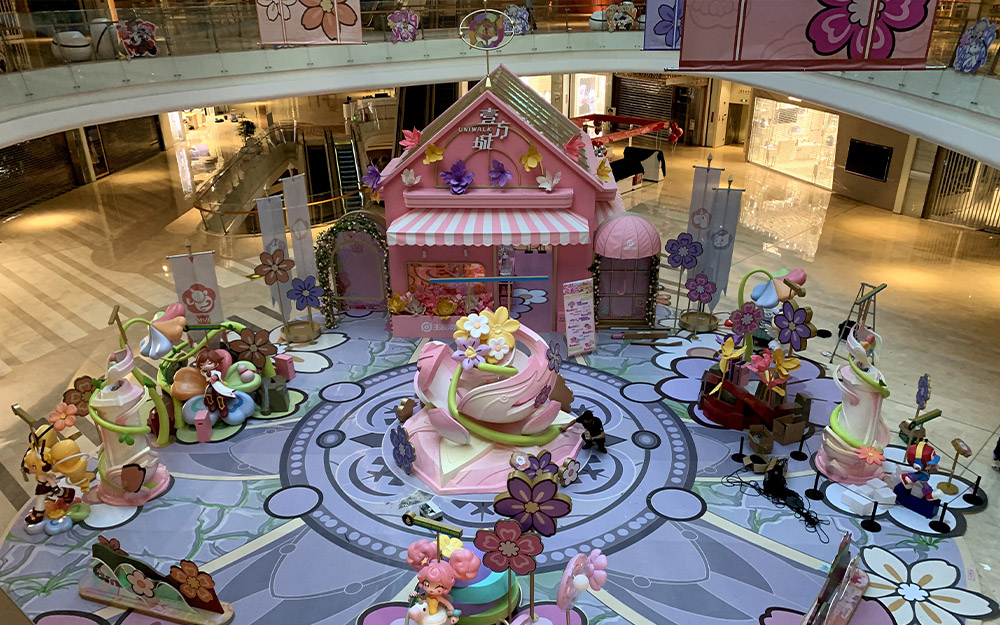
This distinction matters for commercial buyers. Two sculptures that look similar in a reference image may not require the same development, finish, internal support, production sections or packing method. A quote can only become more accurate when the buyer and supplier are discussing the same version of the same object.
The following guide explains the main factors that change a custom fiberglass sculpture quote. It does not provide a price-per-meter formula or a universal price range. Those shortcuts may hide more scope differences than they clarify.
Why Fiberglass Sculpture Price Lists Are Often Misleading
A stock decorative figure and a completely original sculpture are not the same purchasing task. A stock form may already have a model and mold. A new character, animal, branded object or landmark may need original visual development before a mold can be prepared. The cost structure changes before fiberglass forming even begins.
Scale is also only one variable. A smooth, simple form may require less visible detail than a figure with a complex pose, layered costume, realistic markings or many separate features. A repeated group can differ from a one-off centerpiece. A sculpture packed for a local delivery can differ from a large work that must be divided into sections for international transport.
This is why a low headline price is not enough for comparison. A buyer first needs to know which design version, quantity, finish, packing and handoff scope the price covers.
For a full explanation of the manufacturing stages, use ParkLightShow's guide to how fiberglass sculptures are made. This article stays focused on the quote variables that a buyer can define and compare.
Eight Factors That Change a Custom Fiberglass Sculpture Quote
1. How clear the design is before quotation
A reference photo can communicate an idea, but it may not define a production-ready sculpture. The supplier may still need to understand the intended form, proportions, pose, expression, visible sides, color direction and relationship with surrounding pieces.
In ParkLightShow's custom project discussions, the practical starting point is normally an effect rendering or clear two-dimensional reference. The basic visual direction should be confirmed before more cost-bearing three-dimensional and mold development begins. If the core form is still changing, the quote may need assumptions or later revision.
A buyer can improve quote accuracy by sending one current reference set rather than several conflicting images. Mark which image controls the pose, which controls the color, and which details are only inspiration.
2. Original form development and three-dimensional modeling
A new sculpture needs a defined three-dimensional form. The work required depends on how much of that form already exists. A buyer-supplied, usable model is different from a sketch that still needs proportions, posture and all viewing angles to be developed.
This does not mean every supplier uses exactly the same modeling method. It means the quote should state whether original form development is included and which visual reference will be used for review.
Changes are least disruptive when they happen before the approved form moves forward. Changing the basic posture, expression or proportions after three-dimensional development has begun can affect more than one downstream item.
3. One-off mold development versus repeated identical forms
Mold-based production creates one of the most important differences in fiberglass sculpture cost. A new figure normally needs an original form and corresponding mold development. If the project requires several sculptures with exactly the same dimensions, form and pose, later units may be produced from the same mold.
That allows the mold-development cost to be shared across the repeated quantity. It does not mean every additional piece becomes free, and it does not establish a universal saving percentage. Each unit still requires forming, joining, finishing, painting, review and packing.
The word “identical” matters. A figure with a different pose, body proportion or major expression may require new development. A simple color change may keep more of the same production basis than a completely new silhouette, but the supplier still needs to review the exact request.
In ParkLightShow's project experience, this repetition is less common in themed sculpture groups than it is in standardized product lines. A theme project may need only one or two pieces of each character, and each figure may have a different form or pose. In that case, one mold cannot simply be reused across the group, so each unique form carries its own development basis. Standardized forms made repeatedly can distribute that development more widely, but a custom landmark or varied character group usually cannot.
For chain attractions or multi-location campaigns, selective repetition can be a deliberate planning choice. Signature landmarks can remain unique while supporting characters use a consistent form where that fits the creative direction.
4. Size, volume and the shape of the object
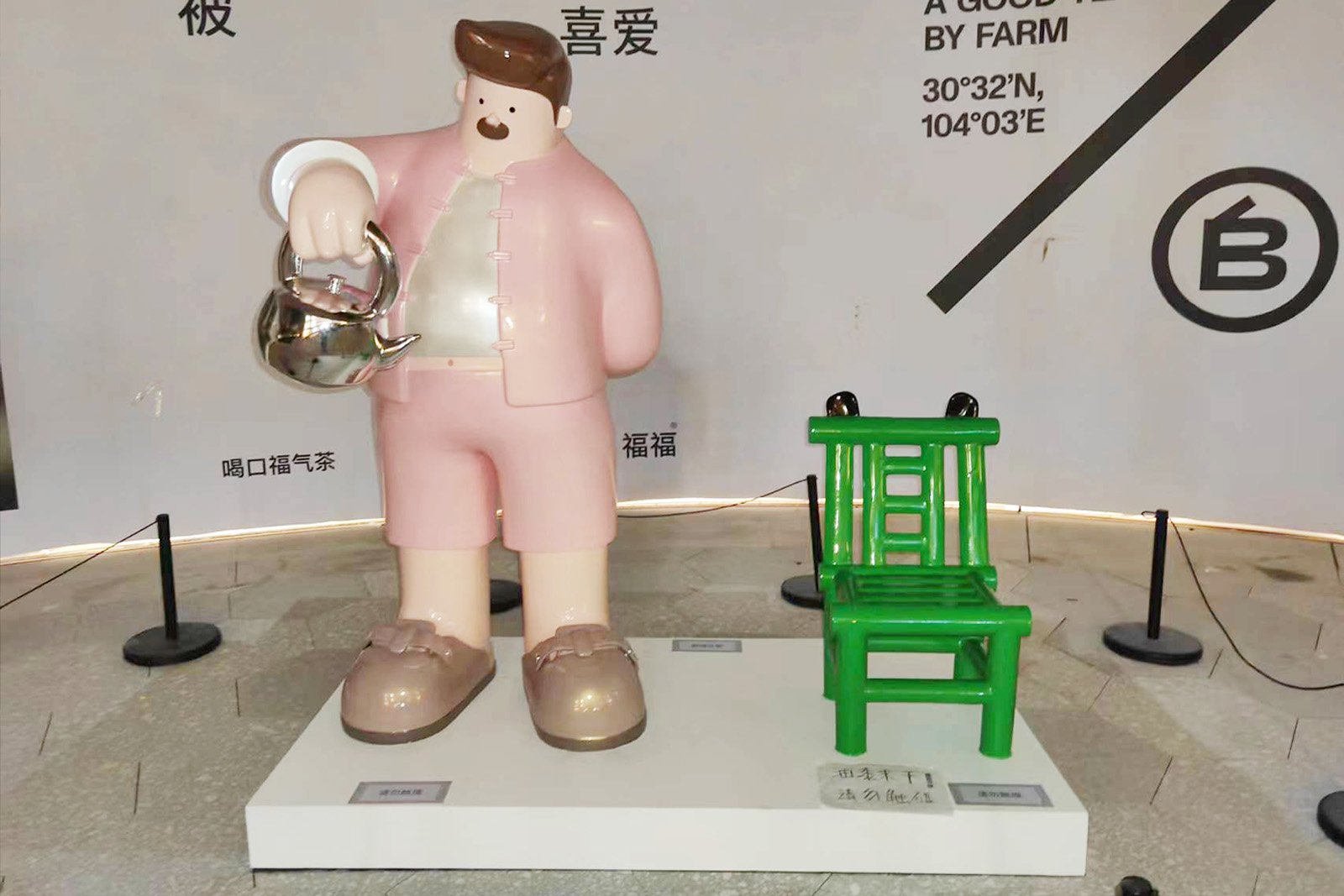
Height alone does not describe the amount of work. A tall narrow figure, a wide animal, a sprawling tree form and a compact seated character can occupy very different volumes. Extended arms, wings, tails, branches or accessories may influence how the sculpture is developed, handled and divided.
When the same design is compared at different scales, the larger version will normally cost more because the overall object and production workload increase. Scale still needs to be read together with shape and detail: a smaller figure with dense texture, many lines or numerous fine features can require more difficult surface work than a larger, simpler form.
Buyers should provide overall height, width and depth rather than one headline dimension. If a base, plinth or surrounding display is part of the visual concept, identify whether it is included in those dimensions.
For unusually large or site-specific pieces, technical support, base/interface and installation questions may need separate review by the responsible qualified parties. A commercial quote guide should not replace that project-specific work.
5. Pose, surface detail and visible complexity
A dynamic pose may create a stronger visual result, but it can also require more original development than a simpler form. Fingers, facial expression, hair, feathers, scales, costume layers, logos and realistic markings all add visible information that needs to be modeled or finished consistently.
The buyer does not need to remove every detail to control cost. The better question is which details define recognition. A mascot's face, an animal's markings or a branded product's silhouette may deserve priority, while minor features that will not be seen from the intended viewing distance may not carry the same value.
This creates a useful design hierarchy: protect the details that make the sculpture identifiable, then evaluate decorative complexity against the real viewing context.
6. Finish, color treatment and consistency requirements
Finish direction changes the visible workload. A simple color blocking plan is different from realistic animal painting, complex gradients, metallic-looking effects, textured surfaces or repeated brand colors that need close consistency across a group.
A buyer should provide a finish reference rather than relying on a color name alone. “Blue,” “gold” or “stone effect” can describe many different appearances. Reference images, marked color zones or approved samples can help the parties discuss the same target.
The quote should also make clear whether the requested finish applies to one main viewing side or to the complete visible object. This is a scope question, not a reason to assume hidden quality from a photograph.
7. Quantity, grouping and version control
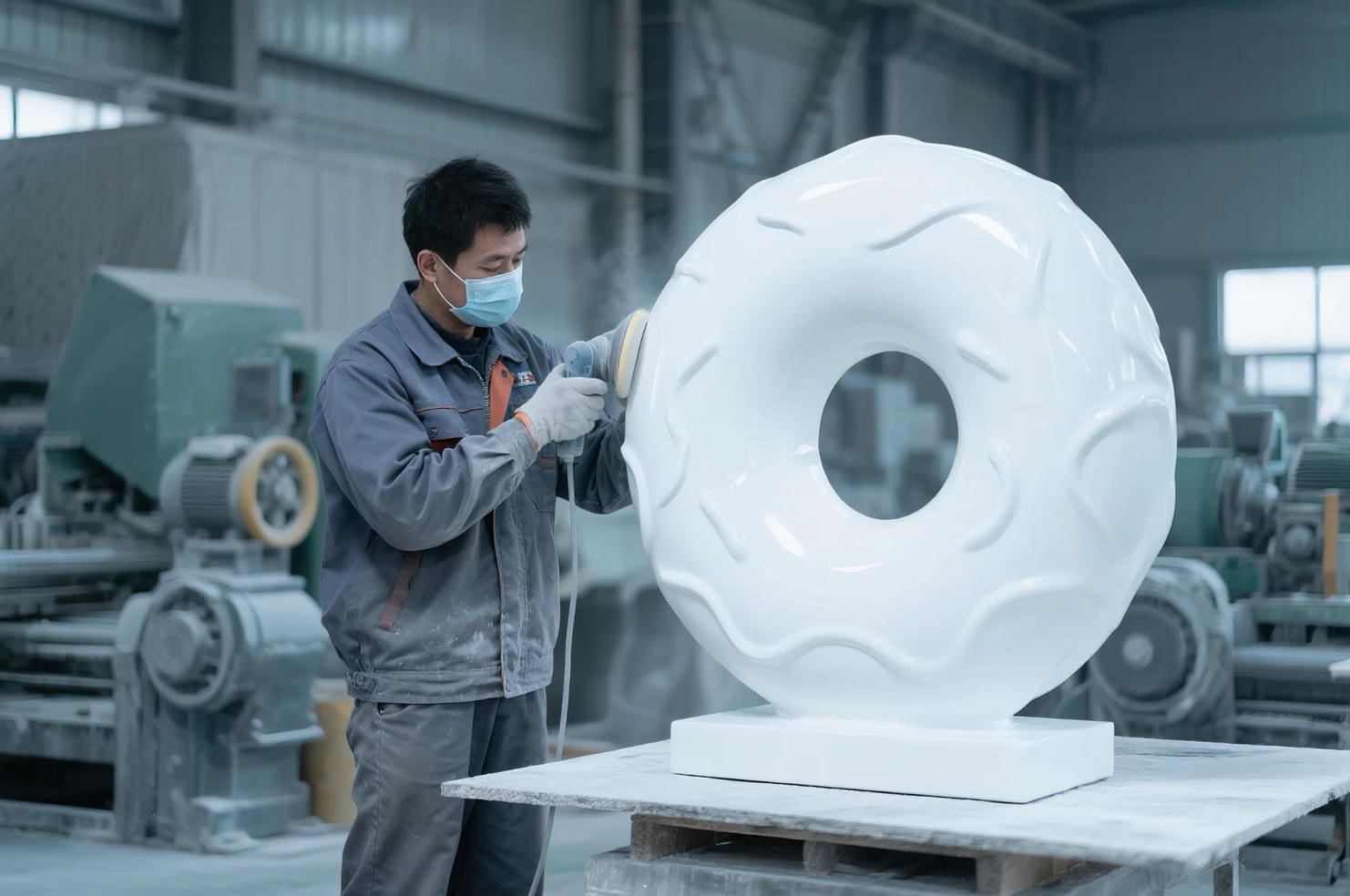
Quantity affects more than multiplication. A project may contain ten identical pieces, ten different characters or a coordinated scene with several sizes and poses. Those are three different production structures.
Before quotation, give each unique form a name or number and list its quantity. If two pieces differ only in color, say so. If their poses or dimensions differ, record them as separate forms until the supplier confirms whether any development can be shared.
Version control is equally important. A quote prepared for “Tiger A, standing pose, version 3” should not silently become the price for a later seated tiger with different proportions. When the design changes, the buyer should ask which quoted items remain valid and which need review.
8. Production sections, packing and destination context
Large sculptures may need to be produced or packed in more than one section. The suitable approach depends on the object's form, destination, handling route and agreed handoff. A shape that fits comfortably through a local access route may need different preparation when it must enter a crate or container.
The buyer should therefore provide the destination country or region, known access information and whether the quotation is expected to include packing. Installation, lifting, foundations, local labor, site equipment and technical review should not be assumed unless they are explicitly included.
This is one reason two suppliers can appear to quote different prices while actually quoting different scopes. One number may cover only factory production; another may include packing or additional handoff items. The comparison becomes useful only after those boundaries are visible.
A Practical Quote-Comparison Table
| Quote item | What the buyer should confirm | Why it changes the comparison |
|---|---|---|
| Design reference | Current drawing, rendering or model version | Prevents different forms from being priced as if they were the same |
| Overall dimensions | Height, width and depth; base included or excluded | One headline dimension does not describe total scale or shape |
| Unique forms | Numbered list of different poses, forms and sizes | Separates original development from repeated quantity |
| Repeated quantity | Identical units for each approved form | Shows where mold development may be shared |
| Visible detail | Expression, markings, costume, logo and priority features | Clarifies the level of modeling and finishing expected |
| Finish reference | Color zones, sample or appearance reference | Reduces ambiguity in painting and surface treatment |
| Packing scope | Whether packing is included and what handoff is expected | Separates factory price from delivery-preparation scope |
| Destination context | Country/region and known access constraints | Helps identify questions that require separate planning |
| Exclusions and assumptions | Items not included or still awaiting confirmation | Makes two quotations more comparable |
This table is not a contract template. It is a way to expose differences before a buyer treats two headline numbers as equivalent.
How to Control Cost Without Turning the Brief Into a Cheaper Unknown
Confirm the two-dimensional direction before three-dimensional work
Resolve the subject, proportions, pose, expression, color direction and main grouping in the lower-cost visual discussion. This does not eliminate all revisions, but it reduces the chance that a basic visual decision is reopened after more committed development begins.
Reuse selected forms only where repetition fits the project
Repeated figures can make sense for chain venues, multi-location programs or coordinated groups. They are less suitable when every piece is intended to be a unique landmark. Cost control should follow the creative brief, not erase it.
Separate must-have recognition details from optional decoration
Identify the few details that make the subject unmistakable. Ask whether other fine features remain visible at the real viewing distance. This keeps the discussion focused on visual value rather than reducing quality blindly.
Compare the same included scope
Do not compare a factory-only number with a quote that includes design development, finish requirements, packing or other handoff items. First normalize the design version, quantities and inclusions.
Freeze approved versions and record changes
Every revision should point to a scene or form number. When a change affects pose, scale, quantity or finish, ask the supplier to identify the quote impact before work continues. This creates a clearer decision trail without pretending that no project will ever change.
What ParkLightShow Needs Before Preparing a Custom Quote
Some buyers already have a site plan or drawing. Others begin with an idea and ask ParkLightShow to develop the design direction. In either case, the required size and quantity must be defined before a meaningful quotation can be prepared. For many initial enquiries, the minimum practical basis is the intended subject or design direction, the required height or overall dimensions, and the quantity of each form.
A fuller first package can include:
- the intended sculpture subject and commercial use;
- one current effect image, drawing or reference set;
- approximate height, width and depth;
- quantity for each unique form;
- whether any units must be identical;
- preferred pose, expression and important visible details;
- color or finish references;
- indoor or outdoor display context;
- destination country or region;
- known packing, access or handoff questions;
- target decision date or project opening context, without assuming a universal production time.
Not every buyer will have every item ready, and a customer does not need to arrive with a finished production drawing. ParkLightShow can help develop the visual proposal when the subject, required dimensions and quantity are clear. Additional information about pose, detail, finish, location and packing makes the scope more precise and reduces the number of assumptions that may need revision later.
Frequently Asked Questions
How much does a custom fiberglass sculpture cost?
There is no reliable universal price. A quote depends on the approved design, dimensions, form, pose, detail, finish, quantity, mold requirements, packing and destination. A responsible comparison starts by confirming that each supplier is pricing the same version and included scope.
Is fiberglass sculpture priced by height?
Height may be one input, but it is not enough. Width, depth, total volume, extended features, pose, surface detail and production sections can make two sculptures of the same height very different projects. Provide all three overall dimensions and the current design reference.
Why does a one-off sculpture cost more per piece than repeated figures?
A one-off design carries its own form and mold-development work. When several pieces are truly identical in dimensions, form and pose, that development may be shared across the quantity. Each repeated piece still requires its own forming, finishing, painting, review and packing.
Does changing the color require a new mold?
Not usually if the approved dimensions, form and pose remain unchanged, but the supplier must review the actual request. A color change can still affect finish work and version control. A changed posture, silhouette or major feature is a different question and may require new development.
What information makes a fiberglass sculpture quote more accurate?
At minimum, define the intended subject or design direction, required height or overall dimensions, and quantity for each form. If available, also send a site plan, drawing or rendering, pose and detail requirements, finish references, display context, destination and expected packing or handoff scope. ParkLightShow can help develop the visual proposal when the buyer does not yet have a finished drawing.
How should buyers compare two fiberglass sculpture quotations?
Compare the design version, dimensions, number of unique forms, repeated quantities, included development, finish reference, packing, destination assumptions and exclusions. If those items differ, the headline prices are not directly comparable. Ask each supplier to clarify the same scope before deciding.
Prepare a Quote Around the Actual Sculpture, Not a Generic Price
A useful quotation begins with a visible, traceable project definition. If you are planning an animal, character, landmark, branded object or coordinated sculpture group for a commercial venue, review ParkLightShow's custom fiberglass sculpture projects and send the current design direction, dimensions, quantity and destination context for a project-specific discussion.
Post time: Sep-02-2026


