
Fiberglass sculptures are usually made through a controlled sequence: define the project brief, approve the rendering and two-dimensional form, develop the confirmed design into a three-dimensional model, plan the mold, form the fiberglass body, join and finish the parts, apply the approved color treatment, review the finished piece, and prepare it for packing and handoff. The exact method varies with the sculpture’s shape, size, quantity, finish, destination, and installation conditions.
For a commercial buyer, the important question is not only how fiberglass sculptures are made. It is also what must be approved at each stage, what evidence the supplier can provide, and which decisions still depend on the project site or another responsible party.
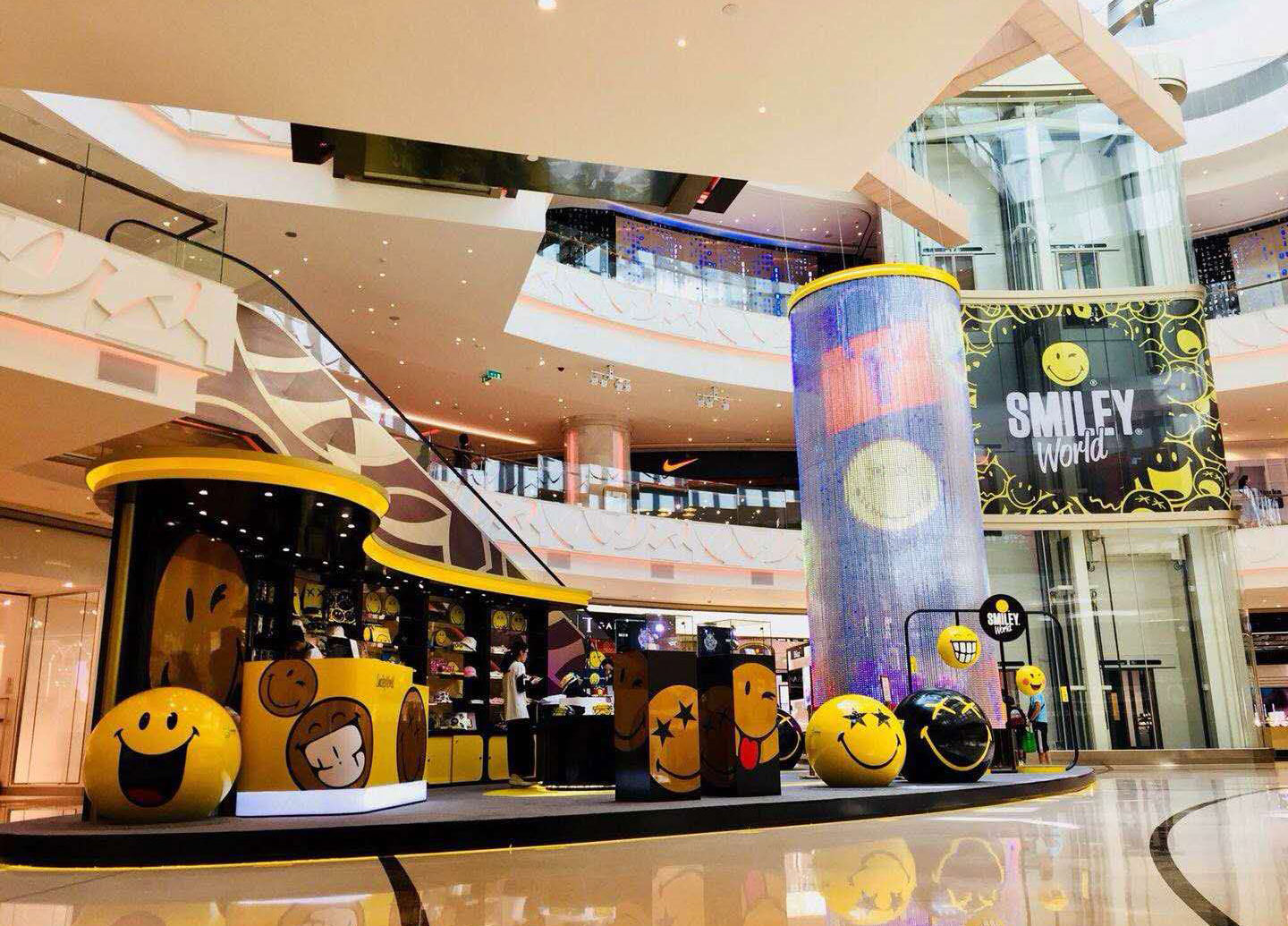
The Manufacturing Process at a Glance
| Stage | Main buyer input | Useful evidence to review | Important boundary |
|---|---|---|---|
| Project brief | Purpose, references, target size, quantity and destination context | Written scope, rendering and two-dimensional reference | A reference image is not automatically a production-ready design |
| Form approval | Shape, pose, proportions, expression and visible details | Approved two-dimensional views before three-dimensional modeling | Changes after approval may add modeling and mold-development cost |
| Production planning | Final form, repeat quantity, mold reuse and segmentation questions | Confirmed three-dimensional reference and identified open items | Repetition can share mold development, but price remains project-specific |
| Fiberglass forming | Approved form and surface direction | Dated factory photos of recognizable parts | Photos do not prove hidden specifications or compliance |
| Joining and finishing | Seam and surface expectations | Close-up photos of joined and prepared areas | Finish acceptance criteria must be agreed for the project |
| Color and detailing | Approved colors, artwork and key visual features | Color reference and progress images | Screen colors and physical finishes may not look identical |
| Factory review | Approved reference and agreed visible scope | Overall views, detail views and open-item record | Factory evidence is not the same as destination acceptance |
| Packing and handoff | Destination, access and receiving information | Packing identification and handoff record | Transport and installation responsibilities must be confirmed separately |
1. Start With a Clear Commercial Project Brief
A custom sculpture begins before any mold or fiberglass work. The first stage is to define what the finished object is expected to be.
The brief normally identifies the subject, intended visual role, reference material, approximate scale, quantity, viewing context, desired color direction, destination, and any known access or handling constraints. A park landmark, an animal group, a branded character, and a repeat set of decorative figures may all require different production decisions.
In ParkLightShow’s custom-project discussions, the practical starting point is normally a rendering and a clear two-dimensional drawing. The team may suggest changes to size, form, pose, color and quantity so that the visual idea is easier to evaluate before cost-bearing modeling and mold work begins.
The buyer should keep one controlled reference set. If different team members send conflicting images, dimensions, or colors, the supplier may not know which version represents the approved direction. Record the current reference, its date or version, the decision owner, and any details that are still open.
2. Turn the Idea Into an Approved Form
The next step translates the brief into an approved two-dimensional form. ParkLightShow treats this as a critical checkpoint: the rendering and flat views should establish the shape, proportions and main visible direction before the project moves into a three-dimensional model. Starting the three-dimensional stage while the basic form is still changing can create avoidable rework and cost.
Commercial buyers should review the features that make the sculpture recognizable: overall silhouette, pose, proportions, facial expression, major surface details, color zones, logo or character features, and the relationship between grouped pieces. This is especially important for animals, mascots and oversized objects, where a small change in proportion can alter the whole visual result.
Approval should identify what is accepted and what remains unresolved. It should not be treated as a promise that every hidden technical question or site condition has already been solved.
Once the two-dimensional direction is confirmed, the approved form can be developed into a three-dimensional reference for the next production decisions. This order keeps the lower-cost visual discussion ahead of the more committed modeling and mold stages.
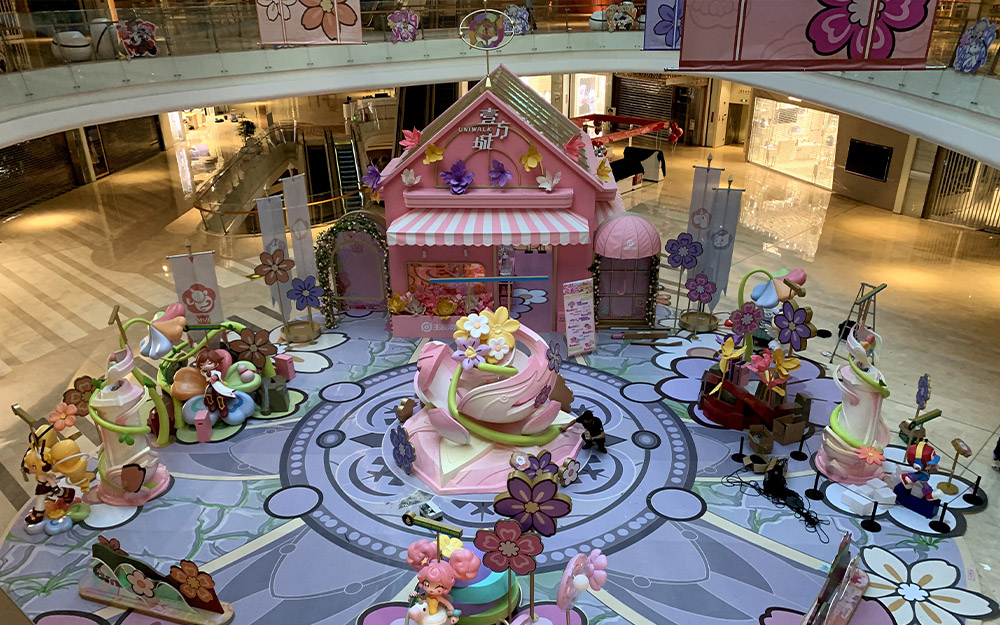
3. Plan the Model, Mold and Production Sections
Fiberglass sculpture production commonly uses a model and mold-based process. The exact route depends on the form, required finish, repeat quantity and manufacturing method.
At this stage, the team considers how the visible shape will be reproduced and how the finished body may be divided into workable sections. A large sculpture may need project-specific segmentation for production, packing, transport or later assembly. A repeated set may require consistent reference control across multiple pieces.
The mold decision also affects commercial planning. A new figure normally requires an original form to be developed before its mold can be made. If the buyer needs several sculptures with the same form and pose, later pieces can use the same mold, allowing the mold-development cost to be shared across the repeated quantity. This can reduce the average mold-related cost per piece, although it does not establish a universal price or savings percentage.
Many themed landmark sculptures are one-off designs, so exact repetition may not fit the creative brief. Reuse is more practical when a chain attraction, repeated venue zone or multi-location program needs the same character in the same form. The buyer should decide whether visual variety or mold reuse is the stronger priority before production is locked.
The buyer does not need a generic mold-making recipe. The more useful questions are whether the approved form is still being followed, which sections will be visible, where major joins may occur, and which questions must be confirmed before the supplier continues.
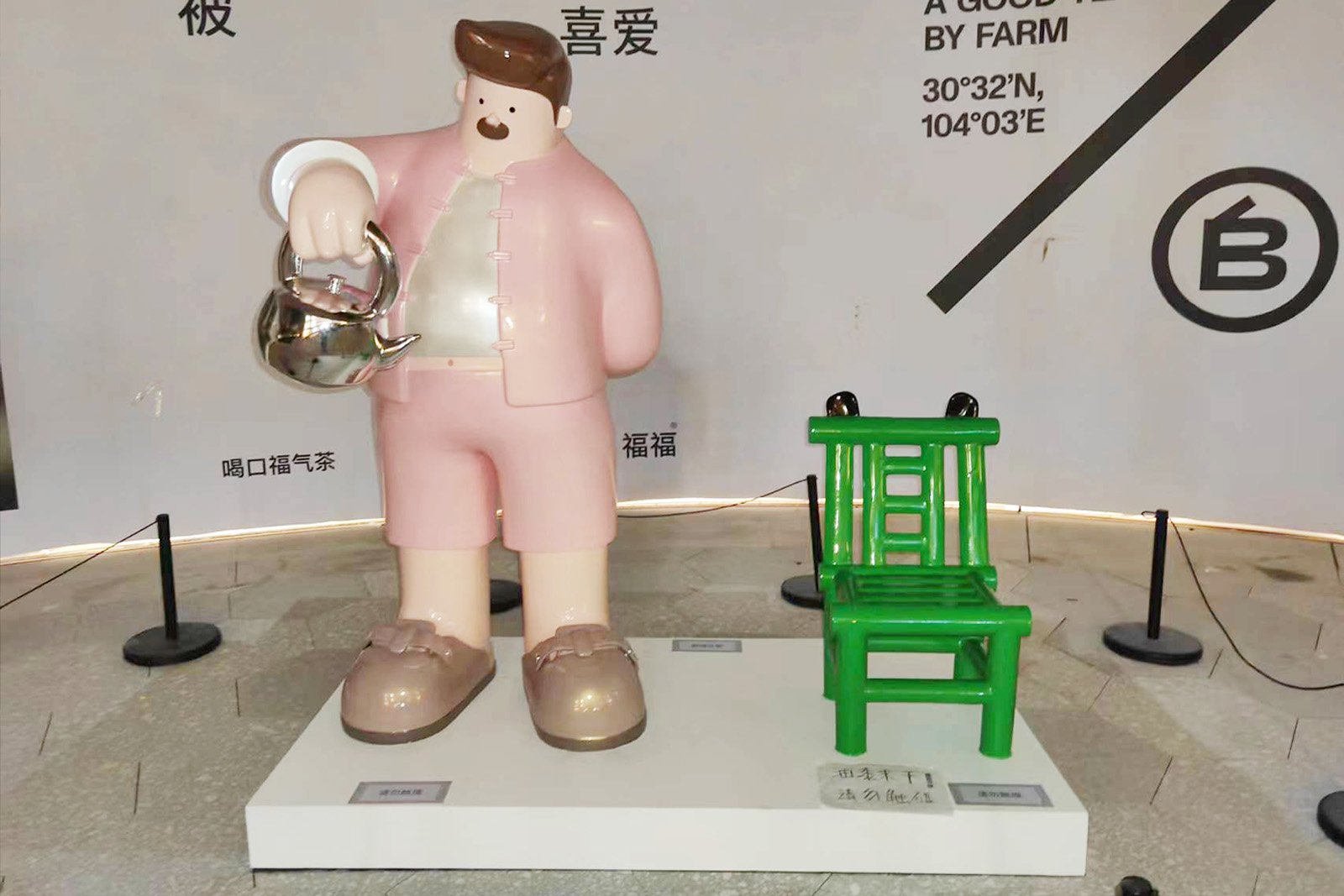
4. Form the Fiberglass Body
In a general mold-based process, resin and glass-fiber reinforcement are formed into the required shell or body sections. The chosen materials, layup method and internal arrangement are project-specific and should not be inferred from a photograph or from another supplier’s standard process.
Progress photos are most useful when they show recognizable parts from consistent angles and can be tied to the approved reference. Buyers may ask for a small set of dated images rather than a large collection of unlabeled factory photos.
Images can show that a visible form exists and that work has reached a particular stage. They cannot by themselves prove material composition, thickness, structural performance, testing, safety or compliance.
5. Join, Shape and Prepare the Surface
After forming, separate parts may be trimmed, aligned, joined and refined. Surface preparation can include correcting visible transitions, smoothing selected areas, preparing edges and developing details that were not fully expressed during forming.
This stage strongly affects how the finished sculpture looks at normal viewing distance. Buyers should distinguish between a deliberately textured design and an unintended rough or inconsistent surface. Close-up images can help review key areas, but the expected finish should be defined by the approved project reference rather than by an undefined promise such as “perfect quality.”
If a sculpture will remain in several transport sections, the factory review should keep assembly relationships visible and traceable. The destination team still needs project-specific instructions and responsibility confirmation.
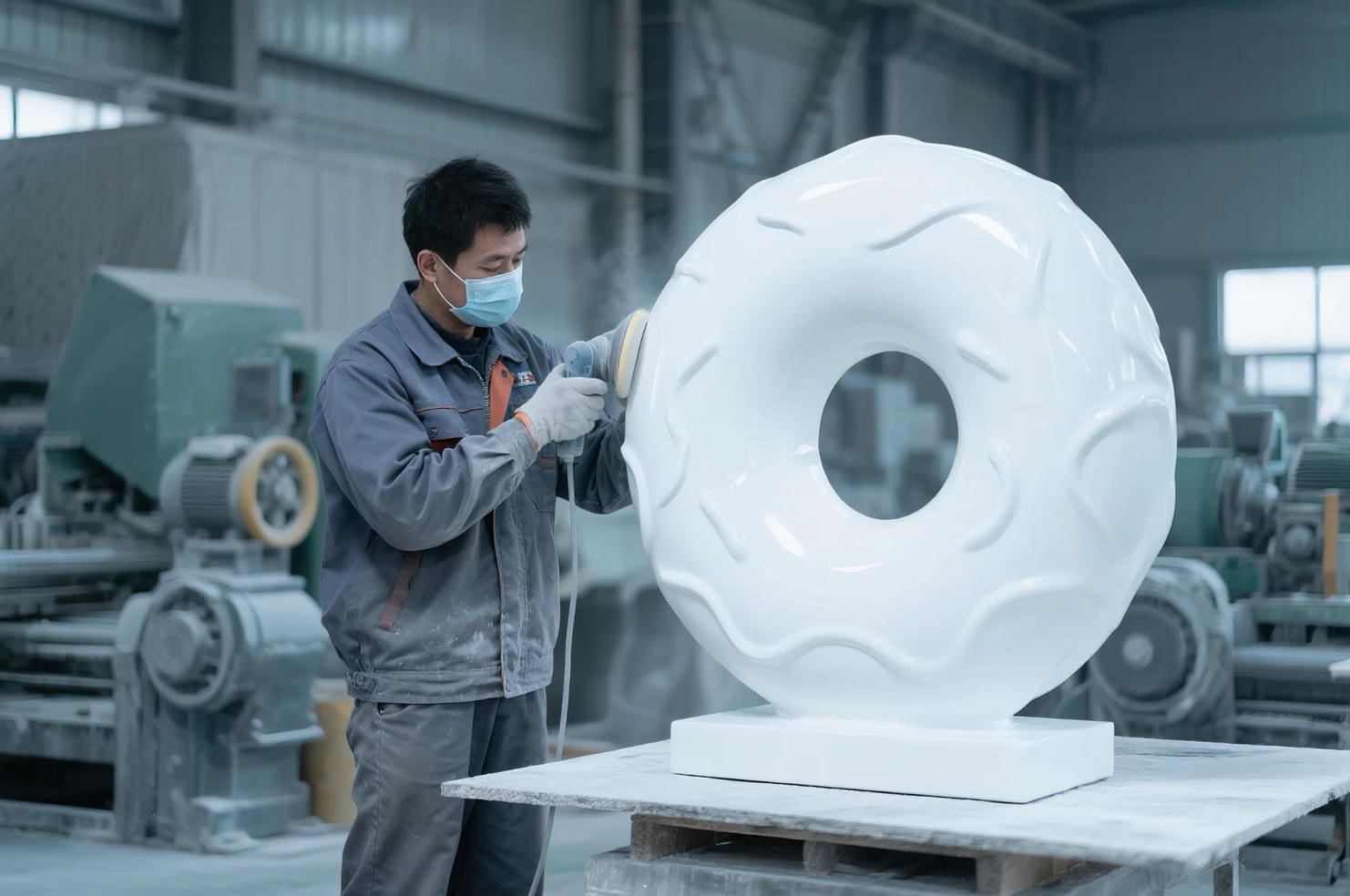
6. Apply Color and Visible Details
Painting and decorative finishing turn the prepared form into the approved visual design. For a realistic animal, the priority may be markings, gradients and facial details. For a stylized figure, the priority may be clean color blocks, recognizable brand colors or a deliberately simplified finish.
The buyer should approve a usable color reference before final finishing. Names such as blue, gold or red are too broad when color identity matters. At the same time, screen displays, lighting conditions and camera settings can change how a physical finish appears in photographs.
Progress evidence should focus on the features that matter to recognition: face, eyes, markings, logo placement, repeated color zones and the relationship between pieces in a group.
7. Review the Finished Sculpture Against the Approved Reference
A factory review should compare the visible finished work with the current approved scope. A practical evidence set may include overall views from more than one angle, close-ups of important details, images of major joins or separate sections, identification of each piece, and a record of unresolved items.
This review is not the place to invent universal acceptance criteria. The buyer and supplier should know what visual reference is being used, who reviews the evidence, which items are accepted, which need clarification, and what remains for destination-side review.
Factory completion, shipment release, local installation and final site acceptance are different decisions. They may involve different people and different evidence.
8. Prepare Packing, Identification and Handoff
Large or irregular sculptures need a packing and handoff plan that reflects the actual project. Useful information can include piece identification, section relationships, orientation notes, visible handling labels, packing photos, receiving contact, destination access information and a list of unresolved questions.
The supplier should not be expected to guess local access, lifting, foundation, anchoring, electrical, public-area or authority requirements. Those items need the appropriate venue team and qualified local specialists.
A clear handoff connects the approved design and factory evidence with the people responsible for transport, receiving, assembly and site review. It does not replace their decisions.
What Makes a Commercial Sculpture Project Different?
Commercial sculptures are rarely defined by shape alone. The same character may be produced as one landmark, a repeated family, a group of coordinated figures, or several transport sections. The destination may also affect how the buyer prepares the brief and handoff information.
This difference matters commercially. A one-off themed sculpture carries its own form and mold-development work. A repeated figure can share that development across more units when the dimensions, shape and pose remain unchanged. Changing the pose or form may require new development rather than a simple copy. For a multi-site attraction, repeating selected characters can therefore be a deliberate cost-control choice, while signature landmarks can remain unique.
Four questions often change the production discussion:
- Is the sculpture a one-off piece or part of a repeated group?
- Which proportions, colors and details are essential to recognition?
- Which parts may need to remain separate for packing or destination handling?
- Who owns each approval, open item and destination-side decision?
These questions help the buyer compare supplier responses without pretending that one universal specification fits every project.
What Factory Photos and Videos Can Prove
Real process media can add valuable transparency. A controlled sequence may show the approved form, recognizable factory stages, surface preparation, color development, grouped pieces, packing and handoff.
However, a photo is evidence only of what is visible. It should not be used to infer a customer, country, project year, material formula, hidden structure, test result, certification, lifespan, safety outcome or commercial performance.
The strongest manufacturing article connects each image to a specific stage and explains its evidence boundary. Repeating attractive finished-project images without showing the process does not answer how fiberglass sculptures are made.
Questions to Prepare Before Contacting a Supplier
- What subject or character should the sculpture represent?
- What reference images, drawings or brand files are approved for use?
- What approximate size, quantity and grouping are being considered?
- Can any figure remain identical across repeated units or locations so that one mold may be reused?
- Which visual details and colors are essential?
- Where will the finished sculpture be delivered and reviewed?
- Are there known packing, access or section-size constraints?
- Who approves the form, color and factory evidence?
- Which installation or site questions must go to another responsible party?
Frequently Asked Questions
How are fiberglass sculptures made?
They are generally developed from an approved design or model, reproduced through a mold-based fiberglass forming process, joined and surface-finished, painted or detailed, reviewed against the project reference, and prepared for packing and handoff. The exact method varies by form, size, finish, quantity and project requirements.
Is fiberglass sculpture production the same for every project?
No. A single animal statue, an oversized landmark, a repeated character group and an interactive commercial installation can require different modeling, mold, sectioning, finishing and handoff decisions. Identical repeated figures may share one mold, while a new form or pose may require new development. A supplier should explain the project-specific route rather than present one method as universal.
What should a buyer approve before production?
The buyer should first approve the rendering and two-dimensional form, including proportions, pose, visible details, color direction, quantity and major grouping. Three-dimensional modeling should begin only after that direction is clear. The record should also identify the decision owner and unresolved items. Technical and destination questions may require separate review.
What evidence can a buyer request during production?
A useful evidence set may include dated overall views, close-ups of important details, identifiable progress stages, section or piece labels, color references, factory-review images, packing photos and an open-item record. The exact evidence should match the agreed project scope.
Do factory photos prove quality or compliance?
Photos can document visible form, finish and progress. They do not automatically prove hidden material specifications, structure, testing, safety, certification or compliance. Those questions require appropriate documents, agreed criteria and qualified review where applicable.
What happens after the sculpture leaves the factory?
Transport, receiving, assembly, installation and destination acceptance follow the responsibilities agreed for the project. The venue and relevant specialists must confirm local access, site, structural, electrical, public-area and authority requirements rather than relying on a generic article.
From Process Understanding to a Project Brief
Understanding the process helps a buyer ask better questions and keep approvals traceable. When the subject, reference, size direction, quantity, color priorities, destination context and decision owners are ready, review the current custom fiberglass sculpture projects page and prepare one consistent brief for supplier discussion.
Post time: Aug-28-2026


