

Asian lantern lights have evolved far beyond small hanging lanterns used as seasonal decoration. For parks, zoos, botanical gardens, scenic areas and commercial attractions, they can become large illuminated animals, dragons, flowers, cultural scenes, gateways and walk-through installations that form a complete nighttime visitor experience.
The strongest projects do not simply place more lights around a venue. They organize illuminated scenes around a clear theme, visitor route, photo landmarks, operating plan and commercial goal.
Asian Lantern Festival
project page.
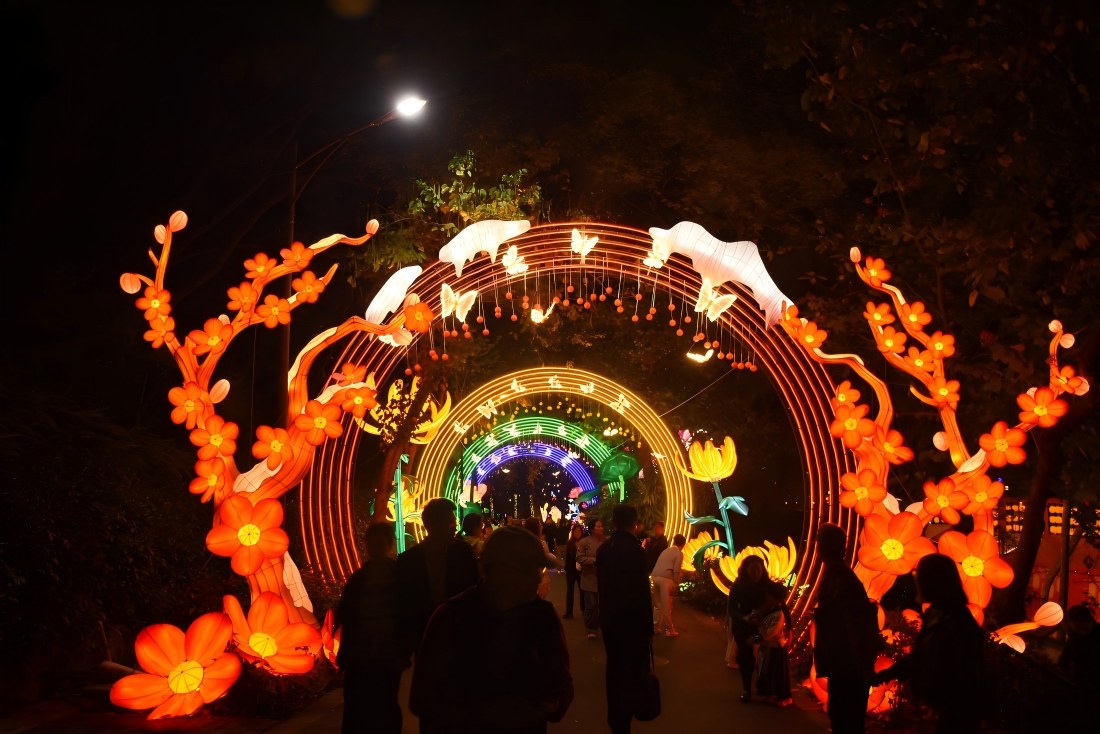
What Are Asian Lantern Lights in a Commercial Project?
In a commercial outdoor project, Asian lantern lights are illuminated artistic structures used to create themed nighttime environments. The concept is related to traditional Asian and Chinese lantern craftsmanship, but modern projects can include much larger structures, custom themes and complete visitor routes.
Typical commercial displays can include:
- Giant dragons and mythical creatures
- Animals and wildlife scenes
- Flowers, trees and botanical displays
- Traditional cultural figures
- Chinese zodiac themes
- Architectural landmarks
- Light tunnels and walk-through arches
- Dinosaur lantern installations
- Interactive photo scenes
- Custom local-cultural or destination themes
For venues purchasing custom structures rather than developing the complete event by themselves, our
Chinese Lantern Festival Displays
page explains HOYECHI’s custom design and manufacturing capabilities.
Why Parks Use Asian Lantern Lights After Dark
Many parks already have lawns, walking paths, lakes, trees, plazas and visitor facilities during the day. The commercial opportunity is to make these same assets productive after sunset.
Create a Separate Night Product
A themed lantern route can be marketed as a separate evening attraction rather than simply an extension of normal daytime admission.
Extend Operating Hours
An existing park or scenic area can introduce an evening operating period without rebuilding the entire daytime attraction.
Create Photo Landmarks
Large dragons, animals, gateways and walk-through features give visitors recognizable places to stop, photograph and share.
Support Secondary Spending
Longer visitor dwell time can support food, beverages, retail, parking, sponsorship and other on-site revenue opportunities.
For parks considering a complete ticketed event rather than individual display groups, explore our
Lantern Festival for Parks
solution.
7 Ways Asian Lantern Lights Can Build a Better Night Attraction
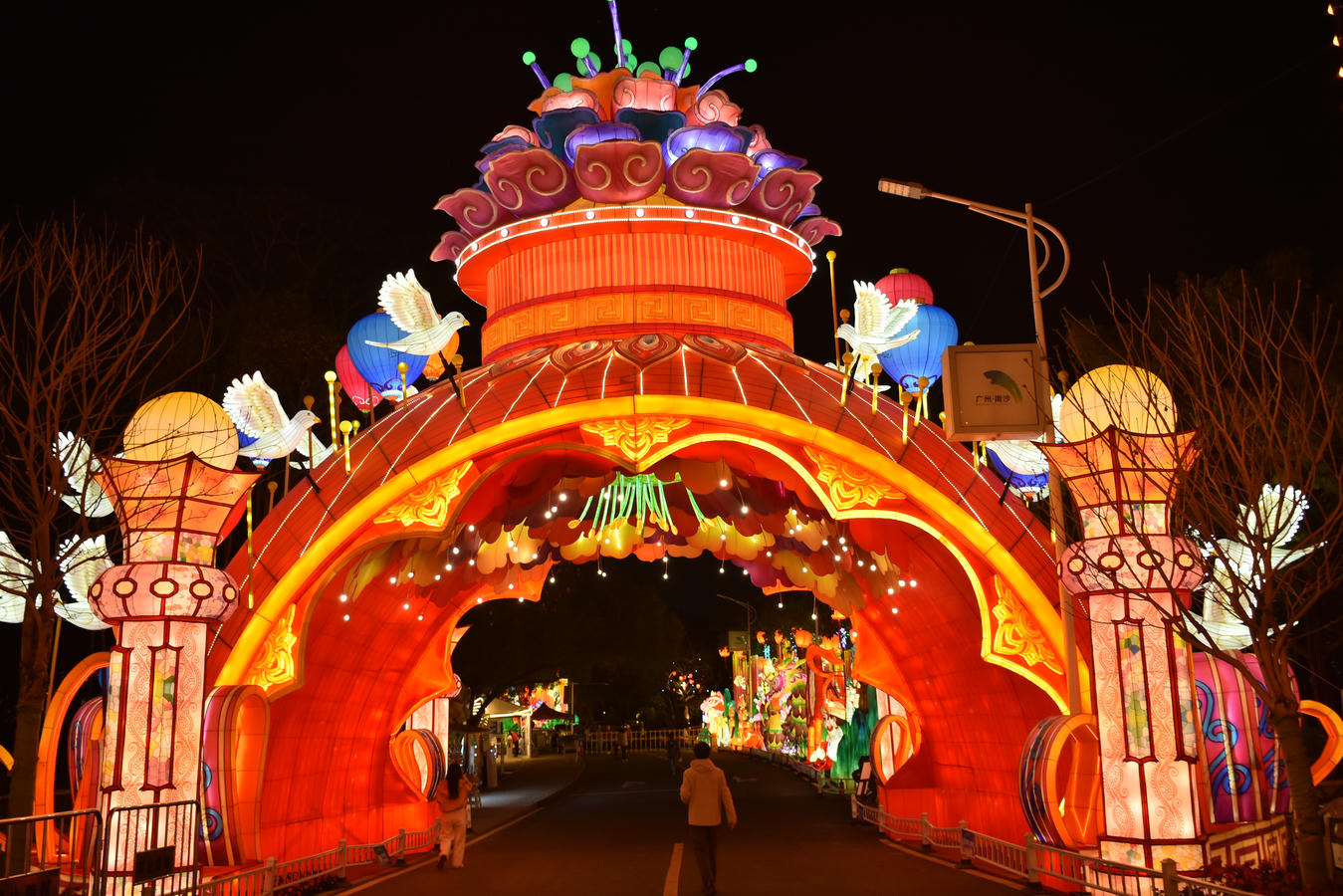
1. Start With a Landmark Entrance
Visitors should understand immediately that they are entering a special nighttime event.
A large illuminated entrance can establish the event identity, create the first photography point and provide a visual asset for advertising, ticketing pages and social media.
2. Divide the Route Into Clear Theme Zones
A good lantern route should feel like a journey rather than a warehouse of illuminated objects.
For example, a park may begin with traditional Asian culture, continue into wildlife and flowers, move toward a large dragon or mythical zone, and finish with interactive displays and a photo finale.
Possible zones include:
- Asian culture and architecture
- Wildlife and animals
- Flowers and botanical worlds
- Dragons and mythology
- Dinosaurs and prehistoric life
- Ocean and underwater worlds
- Fantasy landscapes
- Local city or tourism themes
Professional
light show planning
helps determine where major zones, commercial areas, power distribution and visitor transitions should be positioned before production begins.
3. Use Cultural Displays Without Making the Event Feel Like a Museum
Traditional Asian imagery can give a lantern festival a distinctive visual identity, but commercial outdoor events still need to feel accessible to international audiences.
Dragons, zodiac animals, temples, flowers, mythical creatures and traditional figures can provide cultural inspiration while the overall experience remains focused on entertainment, photography and family discovery.
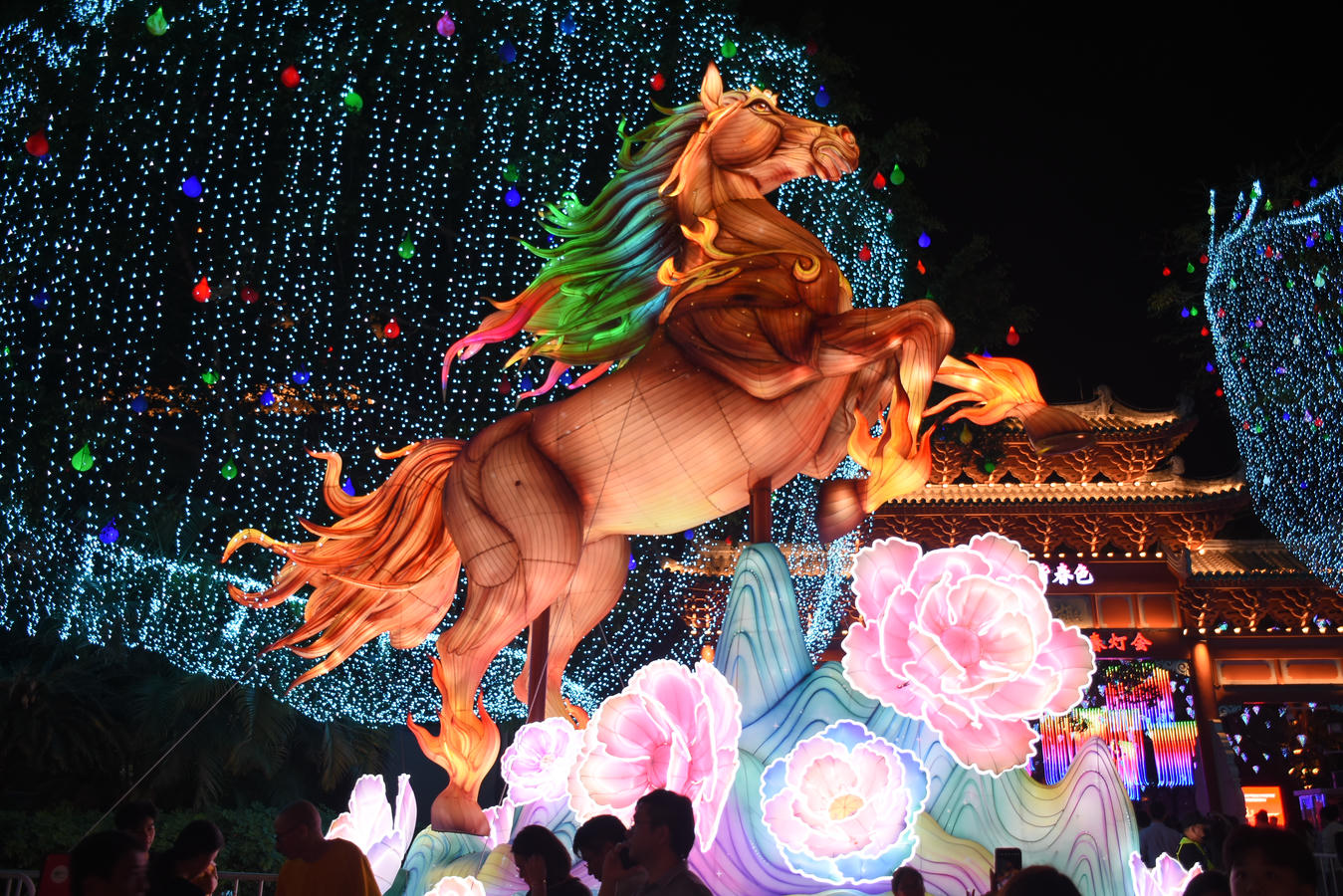
This is an important distinction. A modern
Asian Lantern Festival
does not need to reproduce one fixed historical format. The theme can be adapted to the venue, audience, local culture and commercial objectives.
4. Combine Animals, Nature and Local Venue Identity
The most effective theme is often the one that already makes sense for the venue.
| Venue | Strong Theme Direction | Why It Works |
|---|---|---|
| Zoo | Animals, insects, ocean life, dinosaurs | Connects naturally with the venue identity and family audience |
| Botanical Garden | Flowers, butterflies, insects, fantasy forest | Works with existing plants, landscapes and walking routes |
| Public Park | Culture, animals, dragons, fantasy and local landmarks | Allows multiple zones for a broad family audience |
| Scenic Area | Local history, landscape, legends and signature cultural scenes | Strengthens destination identity after dark |
| Commercial Venue | Photo scenes, tunnels, holiday themes and branded landmarks | Supports traffic generation, dwell time and social sharing |
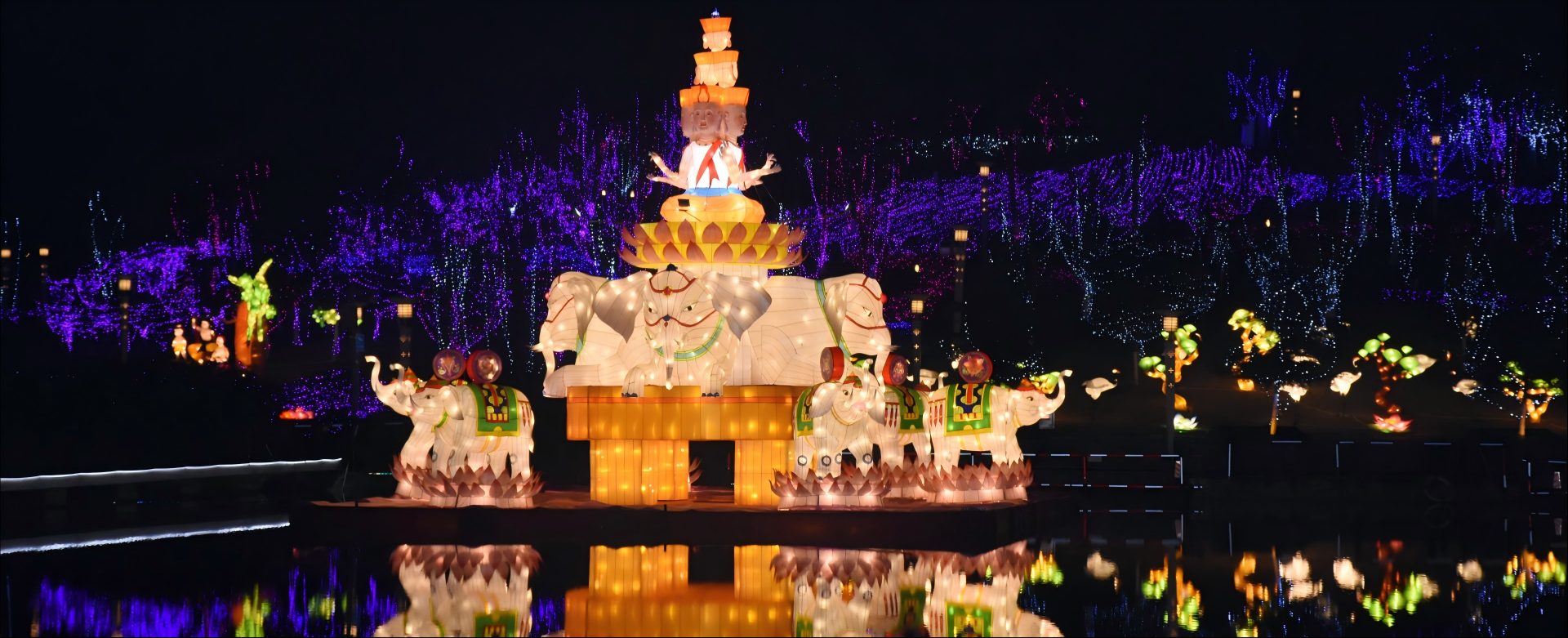
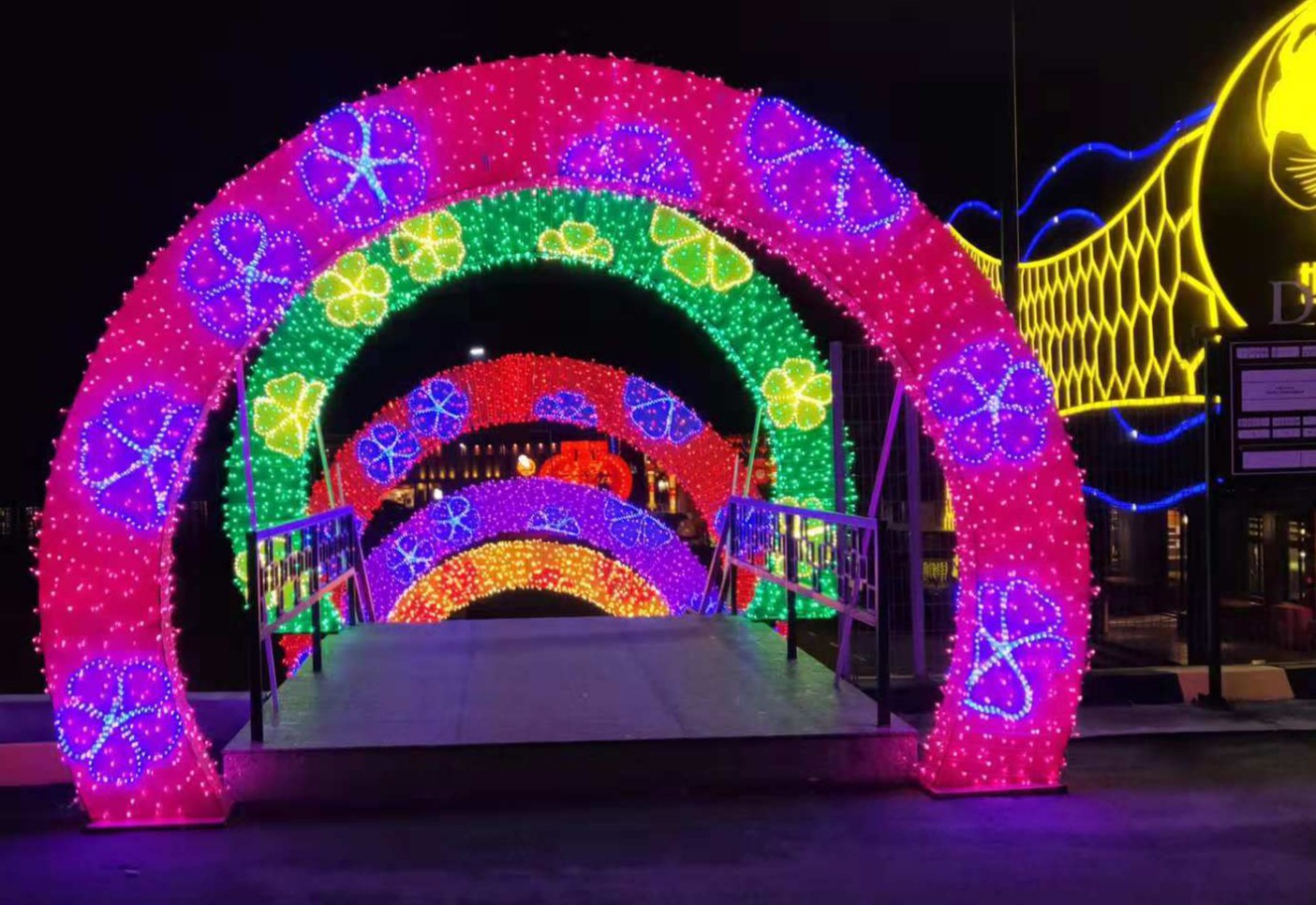
5. Add Walk-Through Features Instead of Only Look-at Displays
Visitors should not spend the entire event standing beside a path looking at objects from a distance.
Walk-through tunnels, arches, overhead lights and framed photo scenes create changes in scale and encourage visitors to physically enter the visual environment.
These installations are especially useful as transitions between major theme zones.
6. Design the Route Around Visitor Behavior
A commercially successful project is not measured only by the number of lanterns installed.
The route should consider:
- Where visitors first see the event
- Where they stop for photographs
- How long they remain in each zone
- Where queues may develop
- Where food and rest areas are located
- Where children can interact safely
- How major displays are revealed
- How visitors reach the final commercial or exit area
7. Plan for Reuse Before the First Season Opens
Commercial Asian lantern lights can become reusable event assets when modular production, packing, dismantling and storage are considered from the beginning.
A venue may reuse:
- The main entrance
- Large dragon or animal landmarks
- Walk-through tunnels
- Core cultural displays
- Structural modules
Then selected zones can be replaced or rearranged for the next season.
This approach can help the venue refresh the attraction without rebuilding the entire event every year.
Asian Lantern Lights Are More Than a Cultural Decoration
For a B2B project, the important question is not simply whether a lantern looks attractive.
Venue operators need to consider whether the completed project can:
- Give visitors a clear reason to come after dark
- Support a ticket price and a defined visitor experience
- Create recognizable advertising images
- Increase visitor dwell time
- Connect with food, retail and sponsorship
- Be installed under real site conditions
- Be maintained throughout the event
- Be dismantled and reused later
This is why ParkLightShow treats lantern projects as night tourism attractions, not simply decorative lighting products.
How Commercial Asian Lantern Lights Are Produced
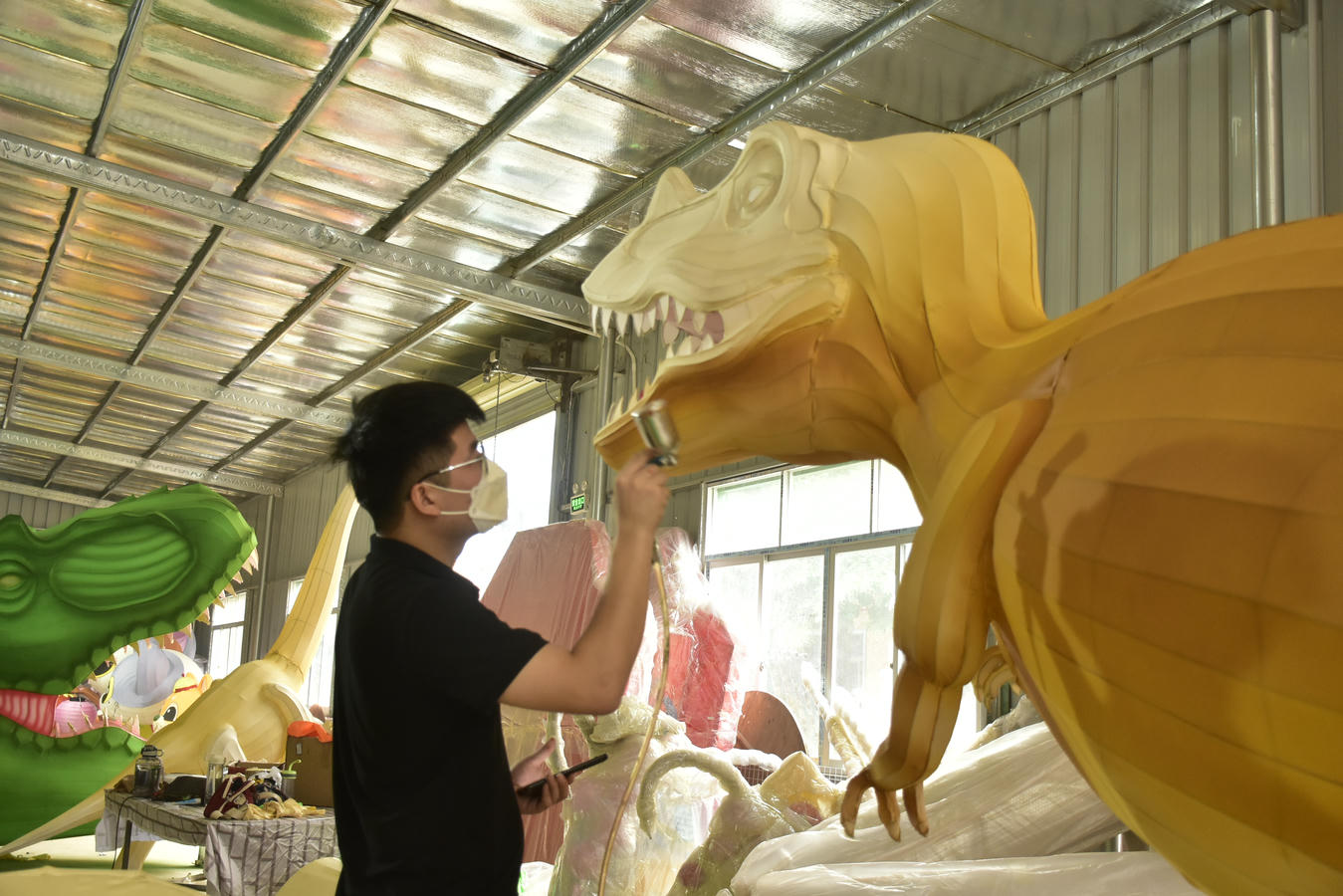
Once the concept and route are approved, each major display must be converted into something that can actually be manufactured, transported and assembled.
Project development can include:
- Concept design: define theme, scale, colors and visual role.
- Structural development: determine the internal steel or aluminum framework and modular division.
- Lighting integration: install the lighting system and electrical connections.
- Artistic finishing: complete the surface shape, color and visual detail.
- Factory checking: assemble and illuminate key structures when appropriate.
- Modular packing: prepare sections and labels for international delivery.
- Site installation: reassemble, secure, connect and test the displays at the destination.
Learn more about factory production, inspection and project delivery on our
Lantern Festival Manufacturer
page.
What HOYECHI / ParkLightShow Can Provide
HOYECHI / ParkLightShow is a manufacturer and project solution provider for custom lantern festivals, park light shows, Chinese lantern festival displays and outdoor night tourism light displays.
For Asian lantern light projects, our support can include:
- Venue and project brief review
- Festival theme development
- Visitor-route planning support
- Custom lantern design
- Animal, dragon, dinosaur, botanical and cultural displays
- Entrance landmarks and walk-through structures
- Steel and aluminum structural options according to project requirements
- Modular manufacturing for international shipping
- Factory assembly and lighting inspection
- Outdoor material and lighting specifications according to the project
- Global packing and delivery
- Installation drawings and technical guidance
- Engineer installation support for suitable projects
- Planning for dismantling, storage and future reuse
When outdoor conditions require it, project specifications can include IP65 lighting solutions and flame-retardant or UV-resistant material options according to the confirmed project requirements.
How Asian Lantern Festivals Create Commercial Value
A commercially successful event depends on more than the appearance of individual lanterns. Our commercial lantern festival solution explains how venue planning, visitor routes, display scale, manufacturing, installation support and operating models are combined into one complete nighttime attraction.
A venue should evaluate a lantern festival as a complete operating product rather than judging it only by purchasing cost.
Commercial value may come from:
- Nighttime ticket revenue
- Extended opening hours
- Parking income
- Food and beverage sales
- Retail and souvenirs
- Sponsor zones
- Vendor fees
- Family and group packages
- Repeat seasonal attendance
If you are evaluating investment, operating periods and cooperation models, read our
Light Show Business Plan.
Frequently Asked Questions
What are Asian lantern lights?
Asian lantern lights in commercial projects are illuminated artistic structures inspired by traditional lantern craftsmanship and modern outdoor attraction design. They may include animals, dragons, flowers, architecture, cultural figures, tunnels and large themed scenes.
Are Asian lantern lights only for Chinese cultural festivals?
No. Traditional cultural themes can be included, but modern projects can also use wildlife, dinosaurs, flowers, local landmarks, fantasy, holidays and venue-specific themes.
What venues are suitable for an Asian lantern festival?
Parks, zoos, botanical gardens, scenic areas, resorts, theme parks, cities and commercial attractions can all develop lantern festivals when the route, theme and operating model match the venue.
Can Asian lantern lights be customized?
Yes. Commercial projects can customize the theme, dimensions, colors, structure, lighting, modular division and installation method according to the site and project brief.
Can large lantern displays be shipped internationally?
Yes. Large structures can be divided into modular sections for packing and international transportation. The module size and assembly sequence should be considered during design rather than after production is completed.
Can Asian lantern festival displays be reused?
Many displays can be designed for dismantling, storage and future reinstallation. Major landmarks may be reused while selected zones are changed to create a refreshed second-season experience.
Does HOYECHI provide installation support?
Depending on project requirements, HOYECHI can provide drawings, assembly references, video guidance, remote technical support and engineer installation assistance for suitable international projects.
Planning an Asian Lantern Festival for Your Venue?
If you operate a park, zoo, scenic area, botanical garden, resort, city attraction or commercial venue, send HOYECHI your site information, target opening date, preferred theme and approximate project scale.
Our team can help evaluate the theme direction, visitor route, custom displays, manufacturing, international delivery and installation approach for a commercial outdoor lantern attraction.
Build a complete nighttime attraction—not simply a collection of lights.
Post time: Aug-12-2026


