
The complete lantern festival planning timeline depends on project size, customization, destination, venue conditions and installation complexity. For many custom international projects, planning should begin several months before the target opening date.
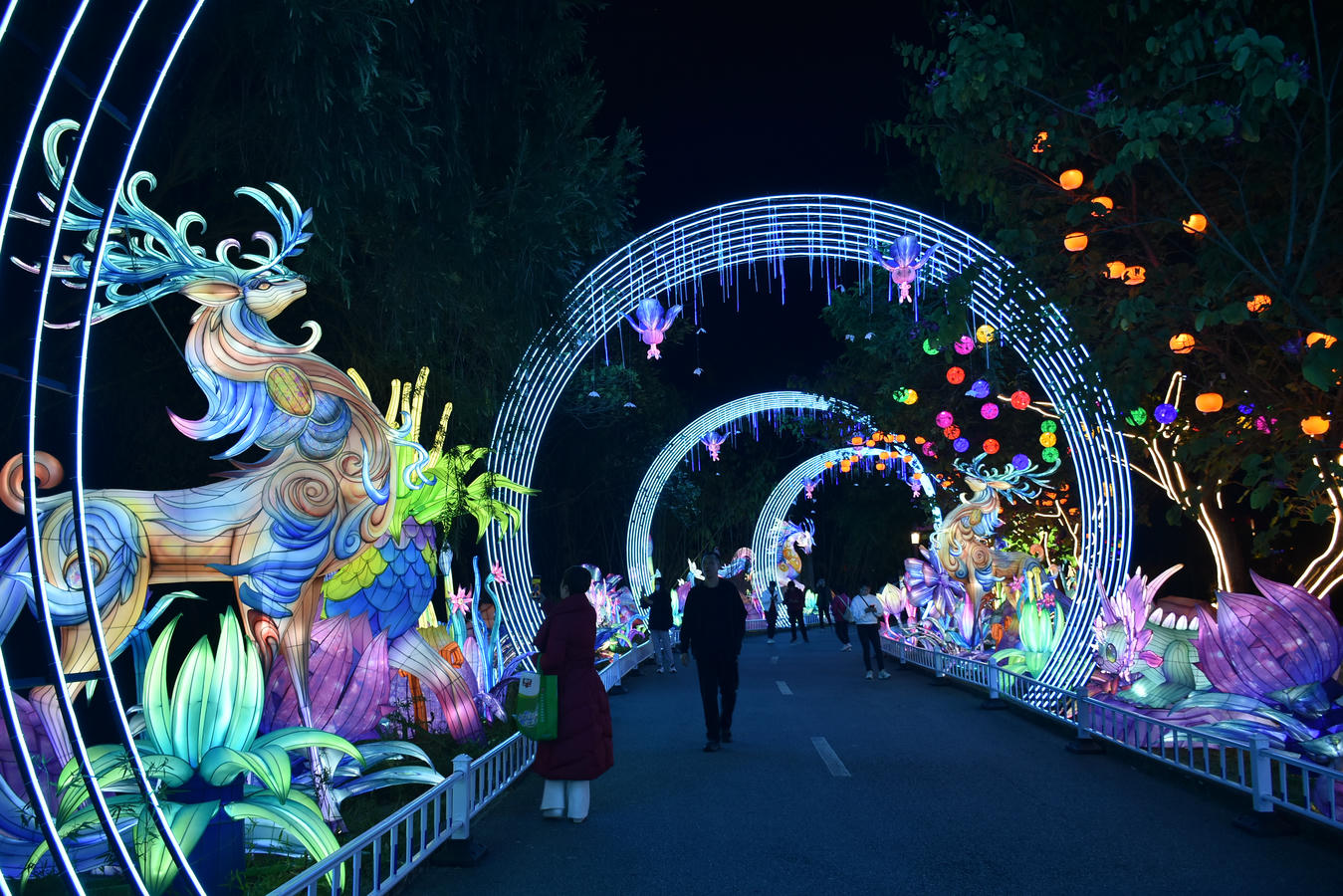
Who Needs a Lantern Festival Planning Timeline?
A structured timeline is especially important for venues where the opening date is connected to ticket sales, seasonal tourism, marketing campaigns or holiday operations.
- Parks and public gardens
- Zoos and wildlife attractions
- Botanical gardens
- Scenic areas and tourist destinations
- Theme parks and family attractions
- Resorts and hotels
- Farms and seasonal attractions
- Cities and municipalities
- Commercial venues
- Professional event operators
For parks considering a complete ticketed nighttime attraction, see our
Lantern Festival for Parks solutions.
For broader outdoor projects, explore
commercial light show solutions.
A Typical Lantern Festival Project Timeline
The lantern festival planning process should be connected to the whole project rather than treated as a production schedule alone. Venue assessment, route design, engineering, factory testing, international delivery, installation and night commissioning all need to work backward from the target opening date.
There is no universal number of weeks that applies to every project. A smaller event using established designs can move faster than a large custom Chinese lantern festival covering an extensive walking route.
A typical project can be divided into seven major stages:
| Project Stage | Main Work | Why It Matters |
|---|---|---|
| 1. Venue Assessment | Site size, route, terrain, power, access and visitor capacity | Defines what can realistically be installed and operated |
| 2. Creative Planning | Theme, entrance, zones, landmarks and photo spots | Creates a coherent visitor experience |
| 3. Design & Production | Structural design, fabrication, lighting and artistic finishing | Turns the concept into deliverable commercial displays |
| 4. Factory Testing | Pre-installation, lighting checks and module fit | Finds problems before international delivery |
| 5. Shipping | Packing, loading, transport, customs and inland delivery | Requires enough schedule buffer before opening |
| 6. Site Installation | Assembly, positioning, fixing and electrical connection | Transforms the venue into the finished attraction |
| 7. Commissioning | Night testing, route review and final adjustments | Prepares the site for safe and effective operation |
1. Start With Venue Assessment and Project Planning
Before individual lanterns are selected, the project team needs to understand how the venue actually operates.
Important planning information can include:
- Total usable installation area
- Main visitor entrance and exit
- Existing paths and visitor circulation
- Expected attendance and peak visitor capacity
- Electrical supply and distribution points
- Ground and terrain conditions
- Trees, lakes, buildings, bridges and other landscape features
- Emergency and service access
- Vehicle access during installation
- Food, beverage and retail areas
- Ticketing and security points
- Target operating period
This work is important because a lantern festival should not simply fill empty areas with decorative objects. The objective is to create a visitor route with controlled visual rhythm, major landmarks, photo opportunities and natural transitions between different zones.
For more detailed project development, visit our
light show planning service.
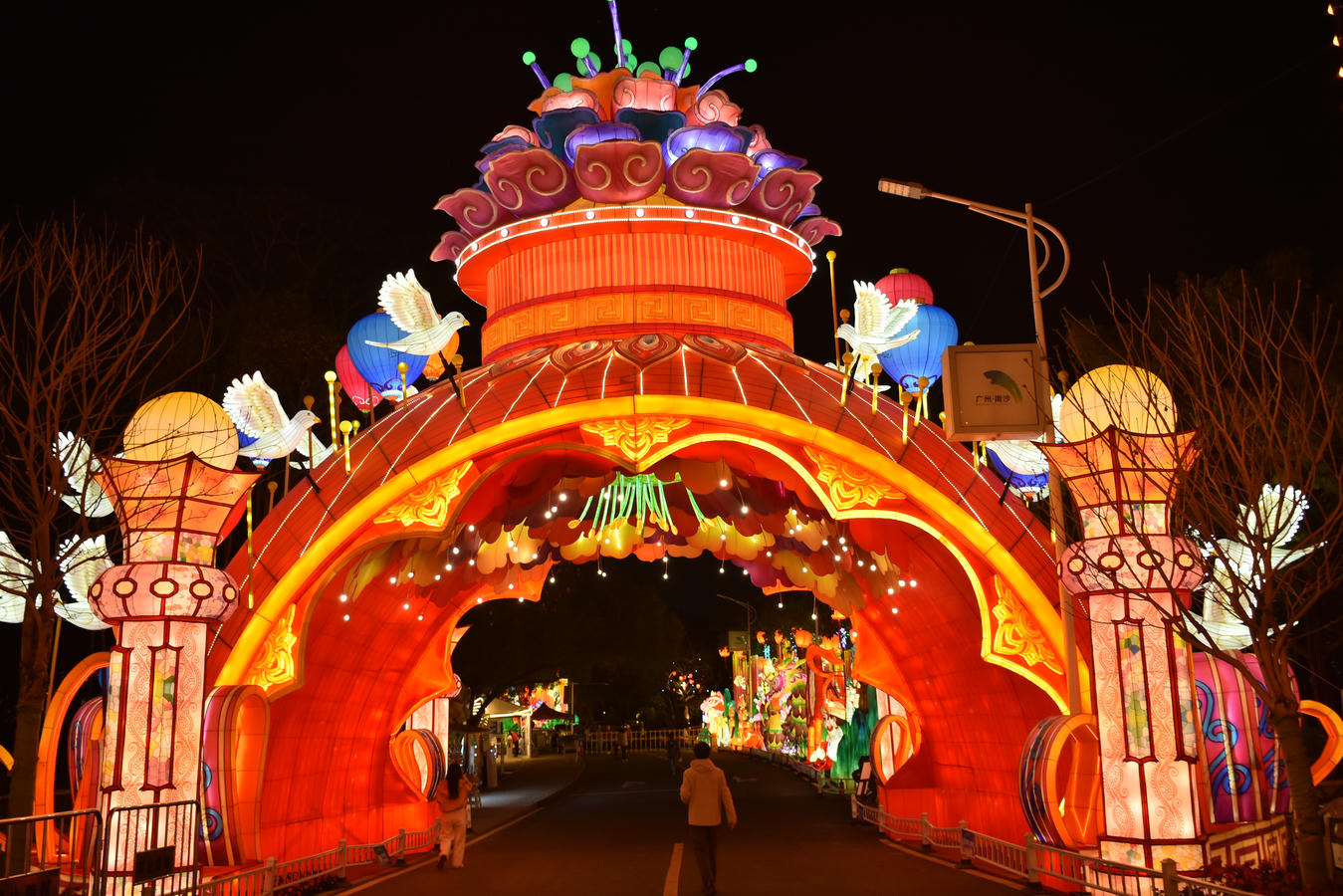
2. Develop the Theme and Visitor Route Before Production
Once the site conditions are understood, the creative planning stage can begin.
A complete outdoor lantern festival may combine:
- Entrance gateways
- Animal lantern zones
- Dinosaur displays
- Dragon lantern landmarks
- Botanical lantern areas
- Cultural installations
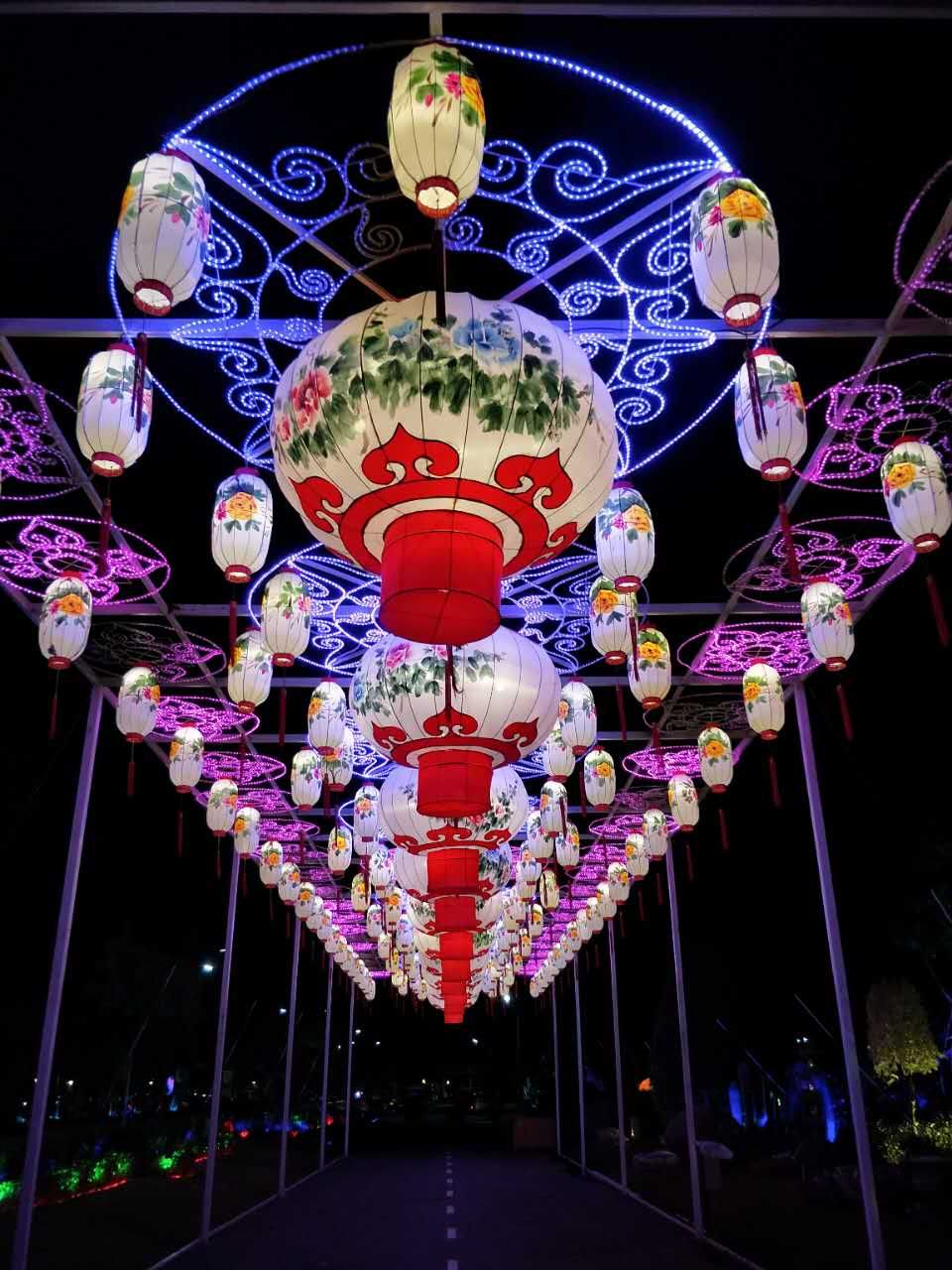
- Light tunnels
- Interactive scenes
- Children’s areas
- Photo spots
- Food and retail transition areas
- A strong finale
A strong festival does not give every display the same visual importance. Instead, the route should create several visual peaks.
Visitors may enter through a large gateway, continue through smaller themed zones, reach a giant dragon, dinosaur or cultural landmark in the middle of the route, and finish with an interactive or family-oriented experience.
This approach helps improve perceived ticket value and can create more opportunities for visitor photography and social sharing.
3. Custom Design and Lantern Production
After the main concept and display list are approved, the project moves into technical design and manufacturing.
Commercial lantern festival production may involve:
- Structural drawings and engineering coordination
- Steel or aluminum frame fabrication
- Welding and forming
- Lighting installation
- Electrical connections
- Decorative surface treatment
- Modular connection design
- Outdoor material selection
- Packaging and transport planning
HOYECHI manufactures
custom Chinese lantern festival displays
for commercial outdoor projects.
Large structures can be divided into detachable modules so that they are easier to transport and reassemble at the venue. This is especially useful for giant dragons, dinosaurs, tunnels, gateways and large architectural scenes.
4. Factory Pre-Installation Can Reduce Problems on Site
One of the most valuable stages happens before shipment.
Whenever practical, complex structures should be assembled or tested in the factory before they are packed.
Factory pre-installation can help verify:
- Structural module fit
- Connection points
- Lighting performance
- Electrical connections
- Component completeness
- Assembly sequence
- Overall appearance
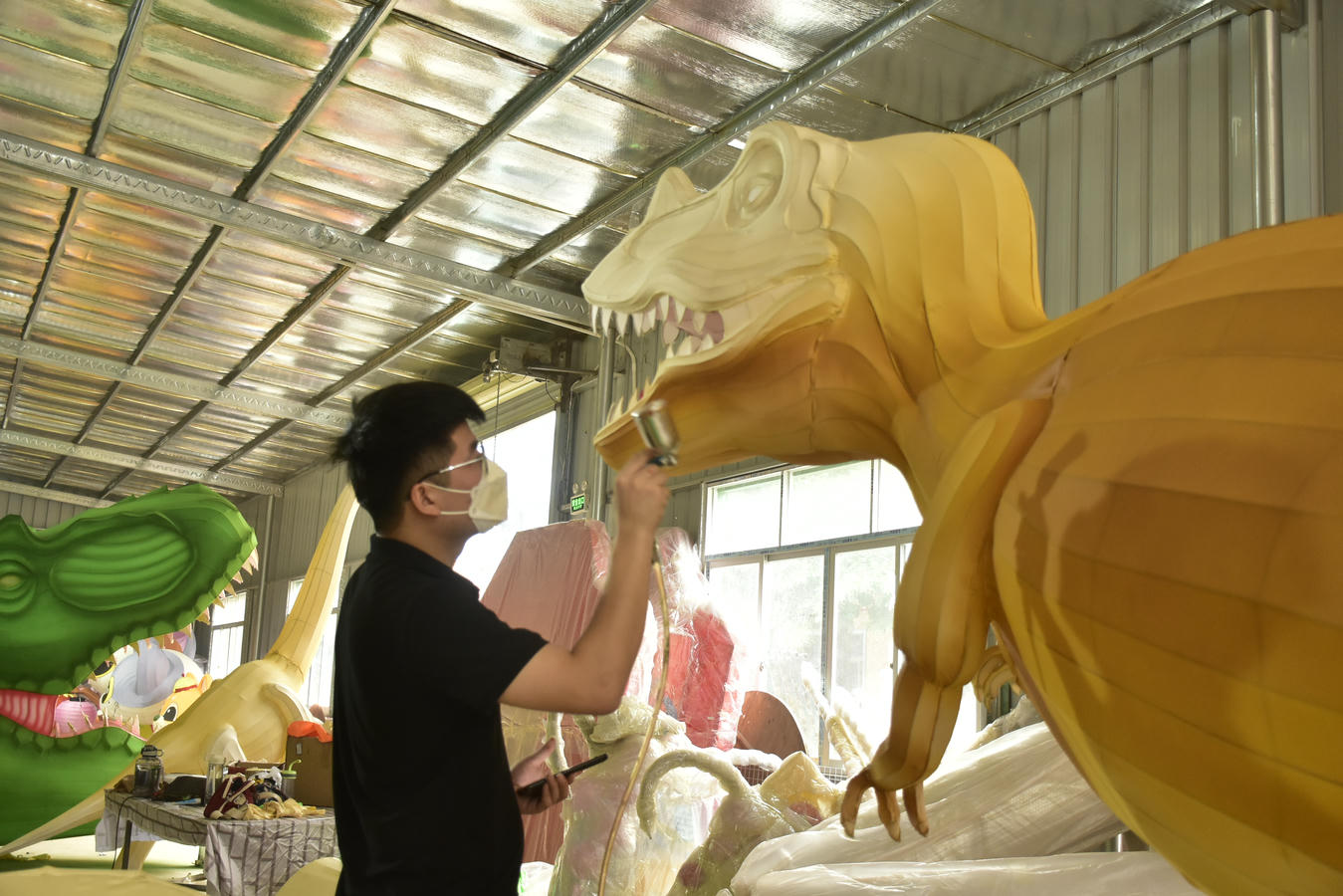
A small problem that can be corrected quickly at the factory may become much more difficult after equipment has been shipped thousands of kilometers.
For HOYECHI, pre-installation is therefore not simply a display exercise. It is part of project risk control.
5. Do Not Forget Shipping and Customs in the Timeline
International logistics is one of the biggest reasons a lantern festival should not be planned too close to the opening date.
The delivery process can include:
- Final factory inspection
- Disassembly and protective packing
- Container loading
- Export documentation
- International transportation
- Customs clearance
- Inland transportation
- Venue unloading and temporary storage
Transport time depends heavily on destination, shipping method and customs conditions. A sensible project schedule therefore includes additional buffer rather than assuming every shipment will arrive at the earliest possible date.
This is particularly important for Christmas, winter and other seasonal events because a late opening may mean losing some of the highest-value operating nights.
6. What Determines the On-Site Installation Time?
Venue operators often ask a simple question: How long does it take to install a lantern festival?
The answer cannot be determined accurately from the number of lanterns alone.
Project Scale
A compact event with several themed zones requires a different installation schedule from a large festival containing dozens or hundreds of individual structures.
Size of the Main Displays
A small animal lantern can be positioned relatively easily. A giant dragon, architectural gateway or major dinosaur structure may require lifting equipment, additional workers and a more detailed installation sequence.
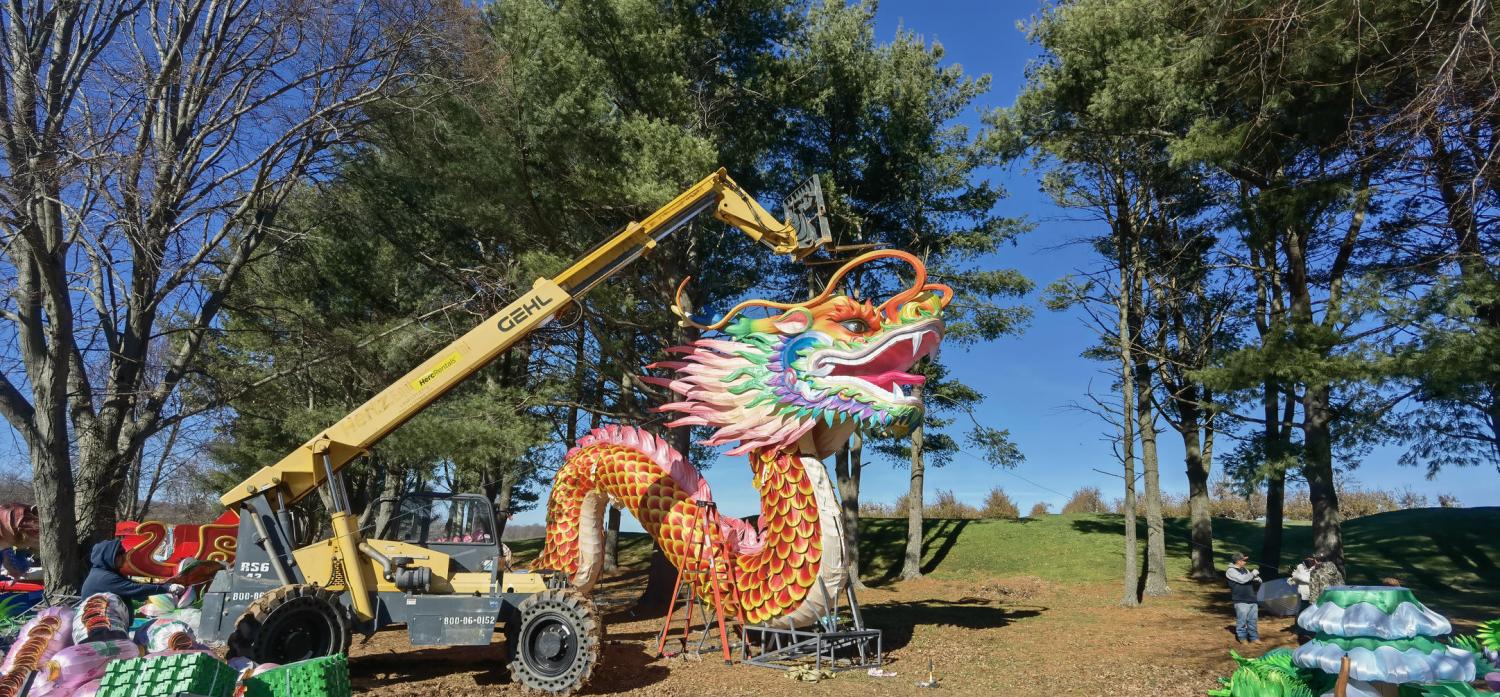
Venue Terrain
Flat paved areas normally allow easier material movement than forests, gardens, slopes, waterfront areas or uneven ground.
Electrical Infrastructure
The position and capacity of the venue’s power distribution system can significantly affect the installation plan.
Distance Between Zones
A long walking trail requires more internal transportation, cable distribution and coordination than a concentrated installation area.
Weather Conditions
Heavy rain, wind, snow or extreme temperatures can influence outdoor installation efficiency.
Local Workforce
For some projects, an experienced HOYECHI technical team can work together with local labor to improve installation efficiency and help the local team understand the assembly sequence.
For a more detailed discussion of outdoor installation preparation, see our
Lantern Festival Installation Guide for Parks and Scenic Areas.
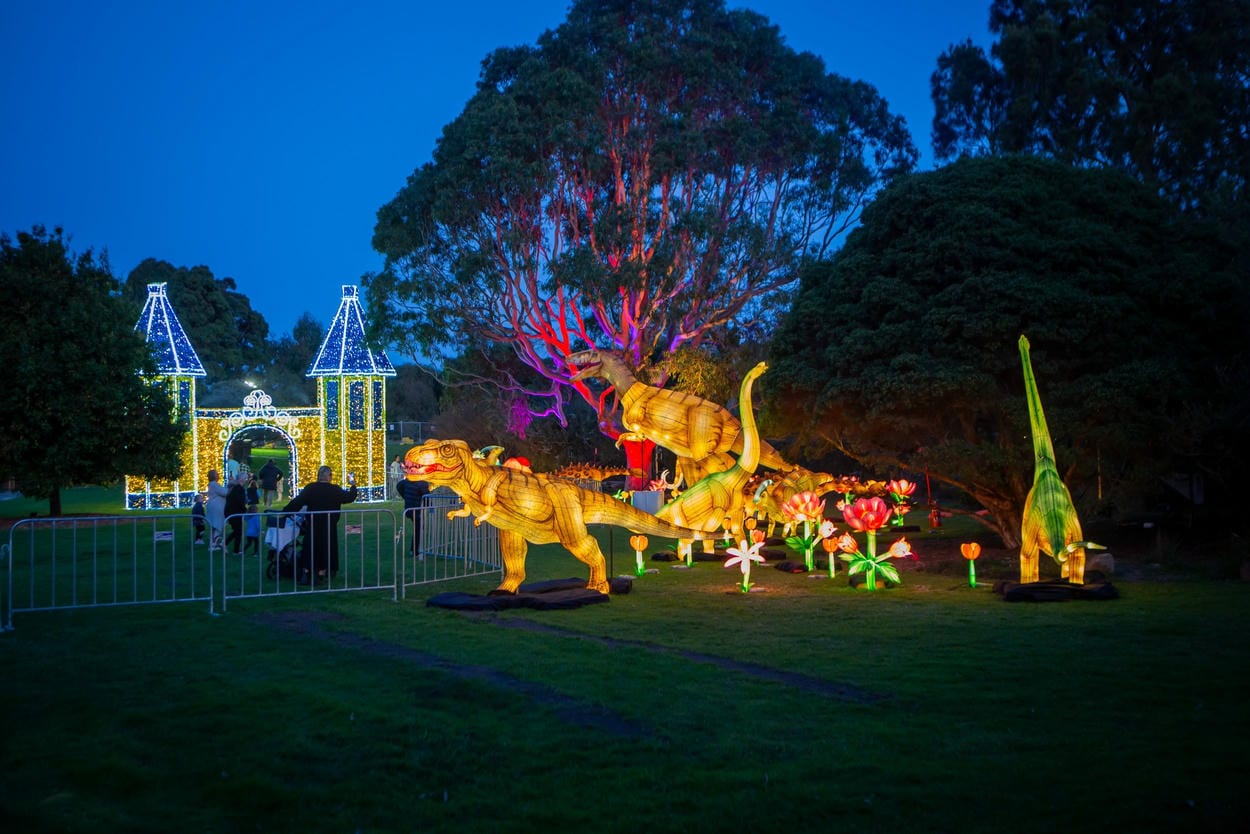
7. Leave Time for Night Testing Before Opening
The venue should not open immediately after the last structure is assembled.
A final commissioning period should be included so the project team can inspect:
- Lighting operation
- Electrical connections
- Structural positioning
- Visitor routes
- Barriers and restricted areas
- Emergency access
- Photo locations
- Visual dark zones
- Major sightlines
A nighttime walkthrough is particularly valuable because the venue may look very different after dark.
Work Backward From the Target Opening Date
One of the simplest ways to manage a lantern festival schedule is to begin with the target opening date and plan backward.
On-site installation
↓
International transportation and customs clearance
↓
Factory pre-installation, testing and packing
↓
Production
↓
Creative and technical approval
↓
Venue planning and project concept
Working backward helps the venue understand when decisions must actually be made. Delaying design approval, site confirmation or production decisions can compress every stage that follows.
Starting Earlier Can Improve the Commercial Result
Beginning early is not only about preventing delivery delays. More preparation time can also improve the business model and visitor experience.
The venue has more time to consider:
- Advance ticket sales
- Ticket pricing
- Visitor capacity per session
- Food and beverage opportunities
- Retail merchandise
- Sponsorship opportunities
- Photo landmarks
- Group bookings
- School and family programs
- Marketing photography and video
- Opening events and media promotion
A lantern festival is ultimately a tourism and entertainment product. The illuminated displays are essential, but the commercial result depends on how effectively the venue converts them into a complete nighttime visitor experience.
Why the Project Schedule Matters to Ticket Revenue
A delayed opening can affect more than the installation team.
It may also affect:
- Advance ticket sales
- Advertising schedules
- Sponsorship agreements
- Staffing
- Food and beverage operations
- Holiday travel periods
- Tour groups
- Seasonal visitor demand
For a ticketed light attraction, losing important operating nights can mean losing revenue that cannot easily be recovered later.
Venues evaluating attendance, investment and revenue models can read our
Light Show Business Plan.
Can the Lantern Festival Be Reused in Future Seasons?
Yes. Reuse should ideally be considered before production begins.
Many commercial lantern displays can be designed as modular structures that can be dismantled, packed, stored and installed again.
A venue may choose to:
- Reuse the complete festival
- Reuse only major landmark displays
- Change the walking route
- Replace several themed zones
- Add new signature installations
- Move selected displays to another venue
This approach can improve the long-term value of the original investment and allows a venue to build an inventory of reusable nighttime attraction assets.
What HOYECHI / ParkLightShow Can Provide
HOYECHI / ParkLightShow is a manufacturer and project solution provider for custom lantern festivals, park light shows, Chinese lantern festival displays and outdoor night tourism attractions.
Our project support can include:
- Venue evaluation and project planning support
- Custom festival theme development
- Visitor-route planning
- Custom lantern design
- Animal lanterns
- Dinosaur lanterns
- Giant dragon lantern displays
- Entrance landmarks
- Walk-through tunnels
- Interactive lantern installations
- Steel or aluminum frame options according to project needs
- Outdoor lighting and material options
- Modular production
- Factory pre-installation and inspection
- International packing and delivery
- Remote installation guidance
- Engineer installation support for suitable projects
- Planning for dismantling, storage and future reuse
Our goal is not simply to supply decorative lanterns. We help professional venues develop installations that can become ticketed nighttime attractions, support visitor flow, create photo landmarks and generate additional after-dark tourism revenue.
Frequently Asked Questions
How far in advance should a lantern festival be planned?
A large custom commercial lantern festival should normally begin planning several months before the desired opening date. The exact schedule depends on design complexity, production volume, shipping destination, venue conditions and installation requirements.
How long does it take to install a lantern festival?
Installation time varies according to project scale, size of major structures, site conditions, electrical infrastructure, available workforce and the amount of factory pre-assembly completed before shipment. A reliable installation schedule should be developed after the final layout and display list are confirmed.
What should a park prepare before the lanterns arrive?
The venue should confirm installation areas, unloading access, storage space, electrical distribution, visitor routes, emergency access and any required local foundations or fixing points before the installation team begins work.
Can commercial lantern displays be used outdoors?
Yes. Commercial lantern displays can be designed for outdoor event environments using suitable structural, electrical and surface material specifications. Final foundations, wind resistance, electrical work, permits and local code compliance should always be confirmed according to the destination and actual site conditions.
Can lantern festival displays be reused next year?
Many displays can be designed using modular structures so they can be dismantled, stored, transported and reinstalled. Existing displays can also be combined with new themed zones to refresh the event in later seasons.
Does HOYECHI provide installation support?
Yes. Depending on the project scope, HOYECHI can provide installation drawings, reference photos, video guidance, remote technical support and engineer installation assistance.
Planning a Lantern Festival for Your Venue?
If you operate a park, zoo, scenic area, resort, city attraction or commercial venue, send HOYECHI your site layout, project location, target opening date, preferred theme and approximate project scale.
We can help evaluate the design direction, production requirements, delivery schedule, installation approach and long-term reuse strategy.
Plan the complete attraction—not just the lights.
Post time: Aug-12-2026


