
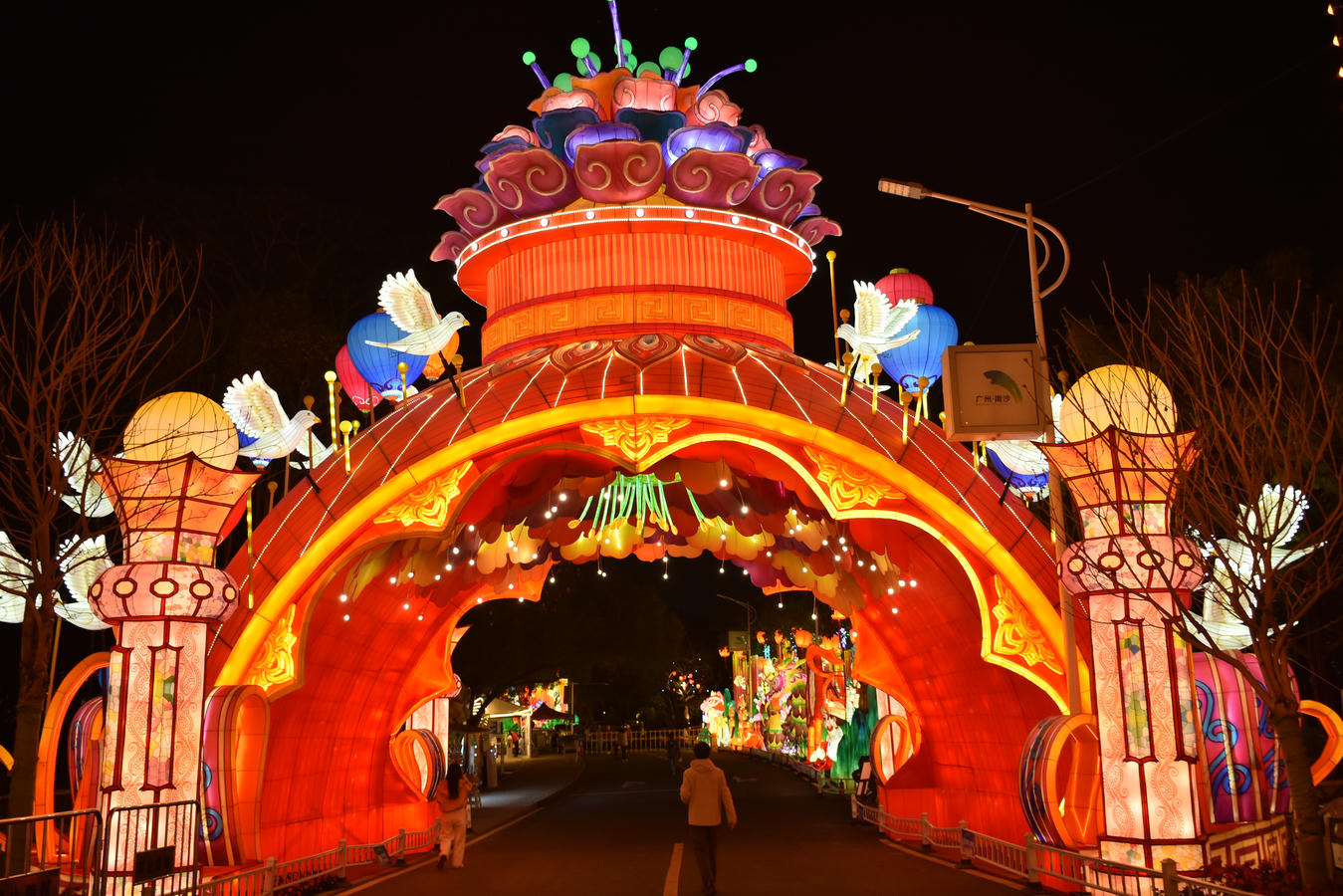
Start with the Experience You Are Selling
Many event campaigns begin with a list of features: hundreds of lanterns, a light tunnel, animal displays, food stalls and a large entrance. These details matter, but they are not yet a reason to buy. Visitors first need to understand what kind of evening they will have, who it is for and why it is worth planning a trip.
The message may be a family night walk, a limited seasonal attraction, a cultural discovery route, a winter date-night experience or a new zoo event after dark. The promise should match the actual route, duration, photo opportunities, entertainment and visitor services. Marketing cannot repair a weak or confusing on-site experience.
Family Visitors
Emphasize an easy-to-understand evening activity, child-friendly scenes, family photo moments, food options and practical arrival information.
Couples and Young Adults
Lead with atmosphere, signature installations, interactive moments, limited-time programming and scenes worth sharing.
Groups and Tourists
Make dates, access, group booking, coach arrival, package options and the destination value easy to evaluate.
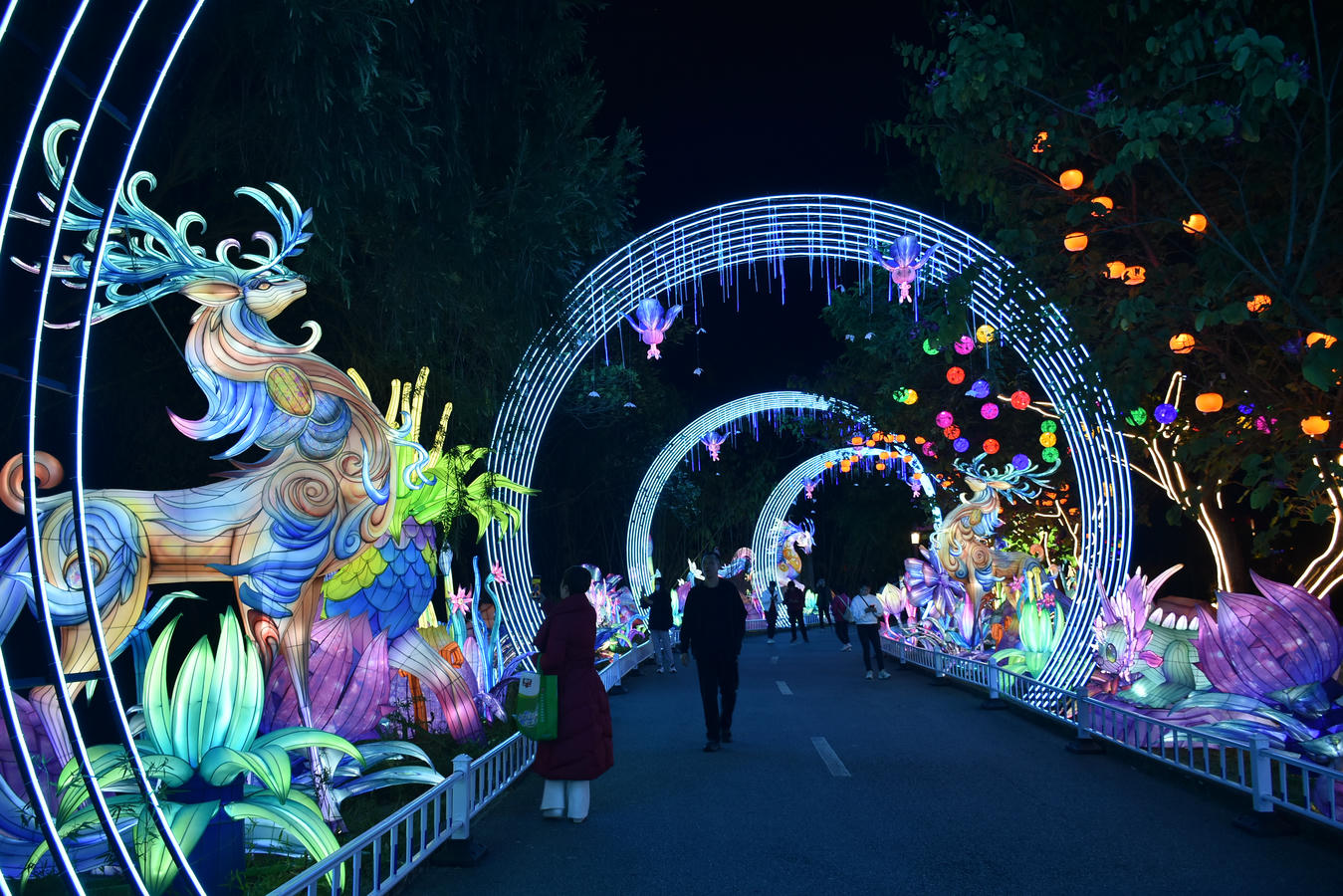
Build a Lantern Festival Marketing Timeline
The exact lead time depends on the market, event scale and existing audience. The schedule below is a planning framework, not a fixed rule. A first-year destination event normally needs more education and trust-building than a returning festival with an established customer list.
| Campaign Stage | Main Objective | Useful Actions | What to Measure |
|---|---|---|---|
| Foundation | Make the event understandable and bookable | Confirm name, dates, operating hours, ticket types, audience, event promise, landing page and tracking | Page readiness, tracking accuracy, subscriber and partner reach |
| Early reveal | Create awareness and collect intent | Release the main entrance or signature theme, open a waitlist, brief tourism and community partners | Video completion, landing-page visits, email sign-ups and partner participation |
| Ticket launch | Convert early interest into advance sales | Open timed tickets, introduce a genuine early-booking reason and use the strongest real visuals | Sales by date, source, audience, device and ticket type |
| Experience reveal | Reduce uncertainty and expand reach | Show themed zones, visitor route, photo moments, food, accessibility, parking and practical FAQs | Conversion rate, abandoned checkout, questions and high-performing creative |
| Opening period | Turn real attendance into proof | Publish visitor reactions, current photographs, short route videos, availability and weather updates | Daily sales pace, attendance, no-shows, sentiment and user-generated content |
| Live optimization | Fill weaker dates without damaging value | Shift budget by date, promote group nights, add programming and retarget interested visitors | Occupancy by session, acquisition cost, realized ticket value and on-site spend |
Design Ticket Offers Around Real Visitor Needs
Discounting every ticket is not a marketing strategy. The goal is to give different audiences a clear way to buy while protecting the event’s perceived value and operational capacity.
Timed Admission
Timed entry helps visitors choose a convenient arrival period and helps the operator manage parking, queues, route capacity and staffing. The ticket page should explain whether visitors may stay after their entry window.
Early-Booking Offer
An early offer can reward commitment before opening, but it should have a real deadline or limited allocation. Permanent “early bird” pricing weakens urgency and trains customers to distrust the stated price.
Family and Group Options
Family bundles, school groups, corporate nights and coach bookings can reduce purchase friction when eligibility and inclusions are simple. Avoid so many variations that visitors cannot compare them.
Premium Experiences
Where the venue can genuinely deliver more value, consider priority entry, guided access, hospitality, photo packages or combined attraction tickets. Do not label an ordinary ticket “VIP” without a meaningful difference.
The final price must reflect the local market, event cost, visitor experience, tax and fee structure, capacity and revenue target. For financial modelling before launch, use the Light Show Business Plan framework rather than copying another festival’s published price.
Create Content That Helps Visitors Imagine the Night
Strong lantern festival content makes the visitor the main character. Instead of showing every product in isolation, show the arrival, the scale of the route, people moving through the experience, the emotional peak and useful details that remove hesitation.
Lead with one recognizable hero scene
Use a real entrance, giant dragon, illuminated tunnel or other signature installation consistently enough that the audience learns to associate it with the event.
Reveal the event in chapters
Introduce themes gradually: entrance first, then a family zone, botanical trail, animal area, cultural display or finale. This creates multiple campaign moments without giving away the entire route at once.
Show scale and people
A close-up of craftsmanship is useful, but ticket buyers also need wide views and human scale. Include real visitors where permissions allow, so viewers can understand how the experience feels.
Answer practical questions visually
Short content about parking, accessibility, weather policy, route length, food, toilets, arrival times and busy periods can remove the final barriers to purchase.
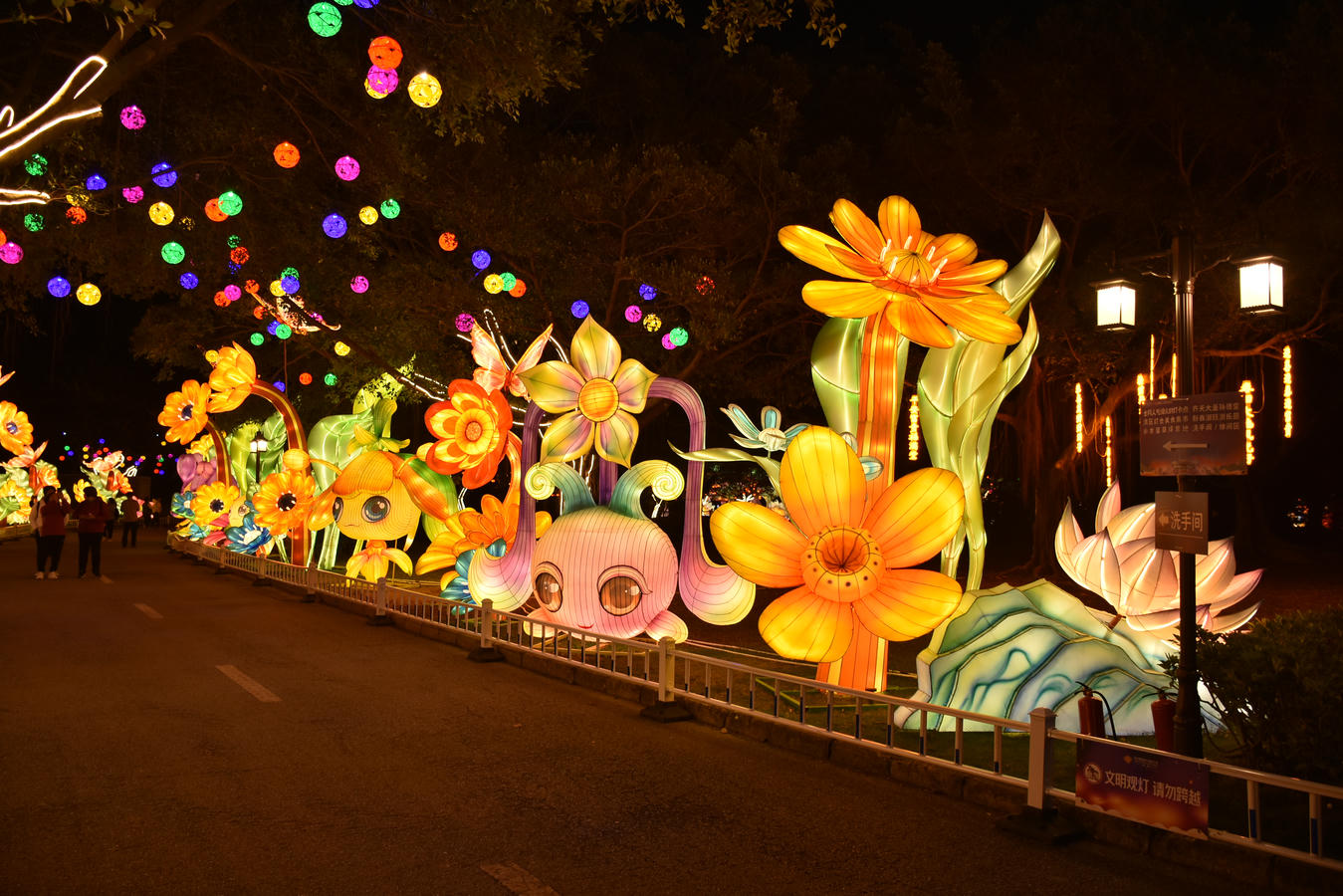
Use the Right Mix of Marketing Channels
A lantern festival should not depend on one social platform or one advertising campaign. The strongest plans combine audiences the venue already owns with local distribution partners, earned attention and targeted paid reach.
Owned Channels
Website, email database, membership list, app, organic social accounts, venue signage and existing ticket buyers. These channels usually provide the clearest starting audience.
Local Partners
Tourism boards, hotels, schools, employers, transport providers, community groups, restaurants and travel organizers can reach people already planning local activities.
Earned Media
Local press, family activity guides, tourism publications and community calendars need clear facts, usable photographs, dates and a locally relevant story—not only a product description.
Paid Promotion
Search, social video, display retargeting and local media can accelerate demand. Budget should follow actual ticket sales by date and audience, not platform-reported engagement alone.
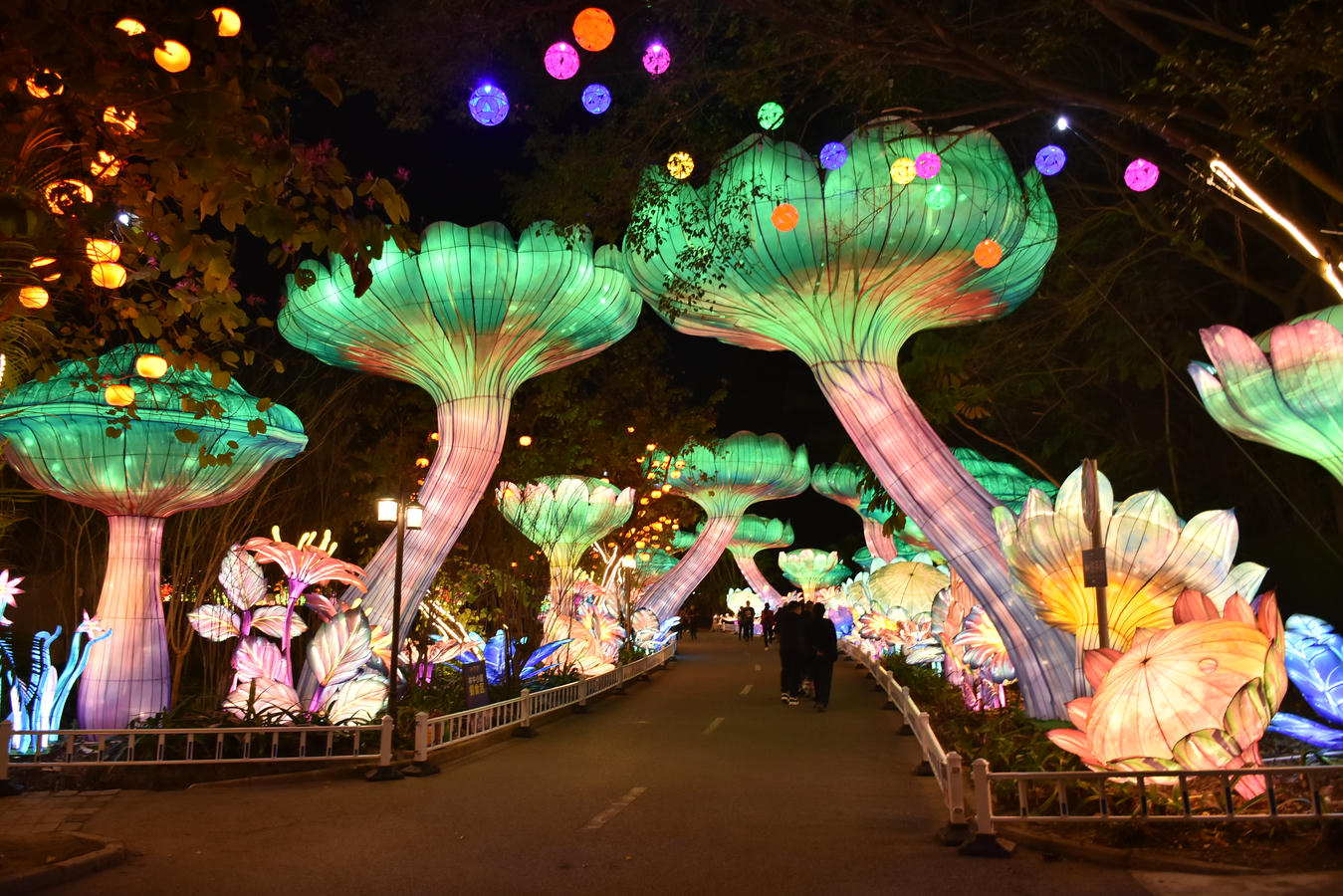
Make the Ticket Landing Page Easy to Trust
Advertising can create interest, but the event page must convert that interest into a confident purchase. Put the most important decision information where visitors can find it without opening multiple pages.
- Event name, location, dates, operating hours and the main visitor promise
- Real photographs or clearly labelled previews that match the event
- Ticket types, fees, age rules, timed-entry conditions and refund or exchange policy
- Parking, public transport, accessibility and expected walking conditions
- Weather, closure and rescheduling policy written in plain language
- Food, toilets, stroller or wheelchair considerations and any restricted items
- A visible booking button, secure checkout and confirmation message
- Tracking that records campaign source, ticket date, ticket type and completed order
Do not hide essential restrictions until checkout. Clear information may reduce unsuitable clicks, but it improves customer confidence and lowers avoidable support problems.
Plan Local Partnerships and Sponsorship Without Disrupting the Experience
Partners can extend reach and create additional value, but every relationship should have a defined audience, deliverable and measurement method. A logo placed randomly beside a lantern is not automatically a useful sponsorship package.
Possible sponsor assets include a named entrance, supported themed zone, branded photo point, family activity, hospitality night, community ticket allocation or content series. The integration should remain visually coherent and should never create safety, crowd-flow or intellectual-property problems.
For venues considering deeper operational or investment cooperation, review the Venue Partnership for Light Festivals page. Responsibilities for marketing budget, ticketing, local permits, staffing and settlement should be agreed before a partnership project begins.
Track Ticket Sales by Date, Source and Audience
Total revenue alone does not show whether the campaign is working. A sold-out Saturday can hide weak weekdays, expensive acquisition or an offer that attracts visitors but leaves little contribution after fees and variable costs.
Demand
Track sales pace, sessions sold, occupancy by date, lead time, ticket mix, group bookings and repeat or returning buyers.
Marketing Efficiency
Track landing-page conversion, completed purchases, acquisition cost, campaign source, creative performance and abandoned checkout.
On-Site Value
Track attendance versus tickets sold, food and retail spending where available, visitor feedback, operational issues and future intent.
Use consistent tracking links and record completed transactions, not only button clicks. Compare performance by event date because marketing a low-demand weekday may require a different message or audience from a peak Saturday.
Respond to Slow Sales Without Training Everyone to Wait for Discounts
When a date is behind plan, diagnose the problem before lowering the price. The cause may be low awareness, weak creative, unclear location information, checkout friction, weather concerns, poor date selection or an experience that has not been explained well enough.
- Check that ticket tracking and checkout are working correctly.
- Compare weak dates with stronger dates by audience, channel and creative.
- Answer the most common visitor uncertainty with real content or a clearer FAQ.
- Shift promotion toward relevant local groups, employers, schools or partners.
- Add genuine date-specific programming or group value where operations permit.
- Use targeted offers carefully, with a defined audience and end date, instead of discounting the entire event.
How Project Design Supports Better Marketing
Marketing begins before the event opens because the physical design determines what the venue will be able to promote. A strong entrance provides a campaign identity. Signature scenes provide video hooks. A logical route creates a story. Photo moments encourage sharing. Food, sponsor and rest zones connect the experience to the commercial plan.
HOYECHI is a manufacturer and project solution provider for custom lantern festivals, park light shows, Chinese lantern festival displays and outdoor night tourism light displays. We can support theme planning, custom display design, modular production, factory pre-installation, global delivery and installation guidance.
The venue or event operator remains responsible for local market research, ticket pricing, advertising, public relations, permits and daily operation. Our role is to help ensure the physical attraction gives that local marketing team a clear, credible experience to sell. Learn more about the complete Lantern Festival project solution and the wider Light Show Planning process.
Lantern Festival Marketing Checklist
Before Ticket Launch
- Define target visitors and the main event promise
- Confirm dates, capacity, ticket rules and weather policy
- Build the landing page and verify purchase tracking
- Prepare the hero image, short video and partner information
- Set sales targets by event date, not only for the full season
After Ticket Launch
- Review completed sales by source and ticket date
- Publish real route, visitor and practical-information content
- Move budget toward creatives and audiences that sell tickets
- Monitor support questions, weather concerns and checkout friction
- Collect consented visitor content and lessons for the next season
FAQ About Lantern Festival Marketing
When should a park start marketing a lantern festival?
Start after the event promise, dates, ticket structure and delivery plan are credible enough to communicate. A first-year festival often needs a longer awareness period than a returning event. Do not wait until every installation is complete, but do not sell details that are still uncertain.
What content sells lantern festival tickets best?
The most useful content usually combines one recognizable hero installation, real human scale, a sense of the visitor route and practical information. Performance varies by market, so test short video, wide project photographs, visitor moments and clear date-specific messages against completed ticket sales.
Should we offer early-bird tickets?
An early-booking offer can help generate advance commitment and reveal demand, but it should have a genuine deadline or limited allocation. It should also fit the event’s financial model rather than being copied from another venue.
Can a zoo use the same marketing plan?
Yes, but the message should connect the lantern route with the zoo’s family audience, education, conservation themes, membership base and evening operating conditions. The Zoo Lantern Festival Solutions page explains the venue-specific project structure.
How should we market slow weekdays?
First identify why the date is weak. Then consider audiences with flexible schedules, group nights, local employers, schools, community partners or date-specific programming. Use targeted value rather than repeatedly discounting every ticket.
Does HOYECHI run local advertising for the event?
HOYECHI focuses on project planning support, custom design, manufacturing, factory testing, delivery and installation guidance. Local advertising, ticketing, public relations and venue operations should be led by the operator or its appointed local marketing team.
Build an Attraction Your Marketing Team Can Sell
Share your venue type, location, available area, event season, target visitors and budget range. HOYECHI can help connect the entrance, themed route, custom lantern displays, photo moments, production and installation plan into a practical outdoor night attraction.
Related Planning Resources
- Lantern Festival Project Solutions — theme, route, production, delivery and installation support.
- Light Show Business Plan — budget, revenue, break-even and operating feasibility.
- Venue Partnership for Light Festivals — responsibilities and cooperation models for suitable venues.
- Contact HOYECHI — share your venue information and project goals.
Post time: Aug-01-2026


