
You do not need a finished professional design, final budget, or complete technical package before the first supplier conversation about a large commercial lantern festival. A useful first review can begin with the venue and project information already available, as long as the team separates confirmed facts from assumptions and unknowns and identifies who should answer the next questions.
This guide focuses on early planning for a commercial lantern festival at a park, zoo, botanical garden, cultural attraction, or city event space. The early goal is not to finalize the show, but to create enough shared context for the venue and potential supplier to decide what should be reviewed next.
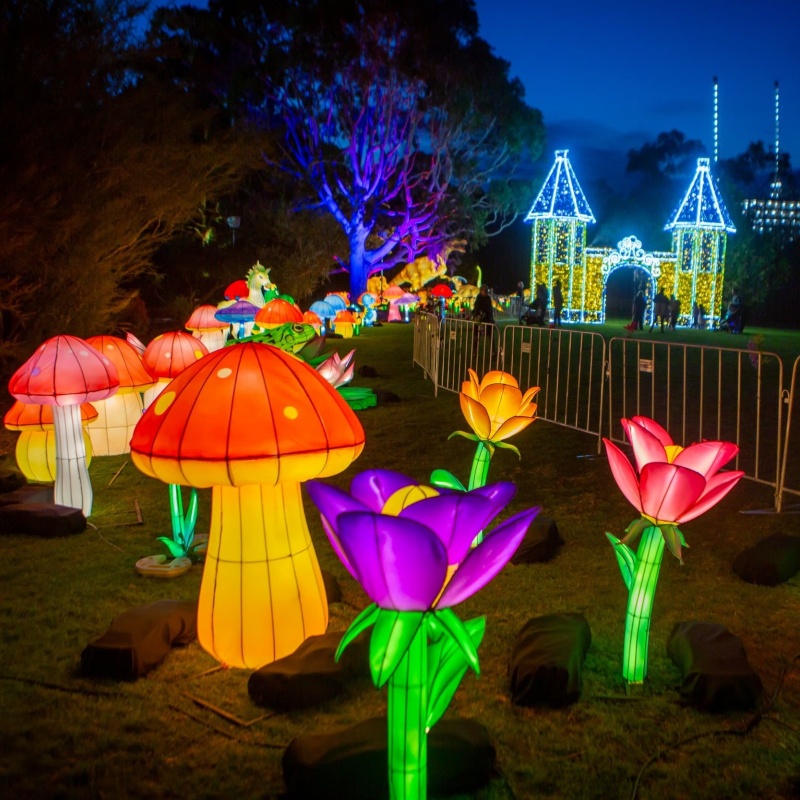
What Is Enough for a First Lantern-Festival Supplier Review?
Start with information the venue already has. Useful inputs may include:
- The venue type and the part of the property being considered
- An available map, plan, or set of current site photographs
- The project purpose, event format, or broad theme under discussion
- A target opening window and the areas the venue considers most important
- Known site or approval constraints and the main venue contact for decisions
These inputs do not need to form a finished professional brief. A rough plan can still show the general area under discussion, and a broad theme can be recorded without defining every display. If a map, date, constraint, or internal decision is not yet available, mark it as unknown instead of replacing it with an assumption.
The first conversation also should not depend on a completed site survey, final route, exact dimensions, finished engineering package, complete reference collection, or approved final budget. Those items may matter later, but making them entry requirements can delay a useful review of what is already known. For wider venue suitability, business-model, and project-planning context, see broader light-show planning and business-model guidance.
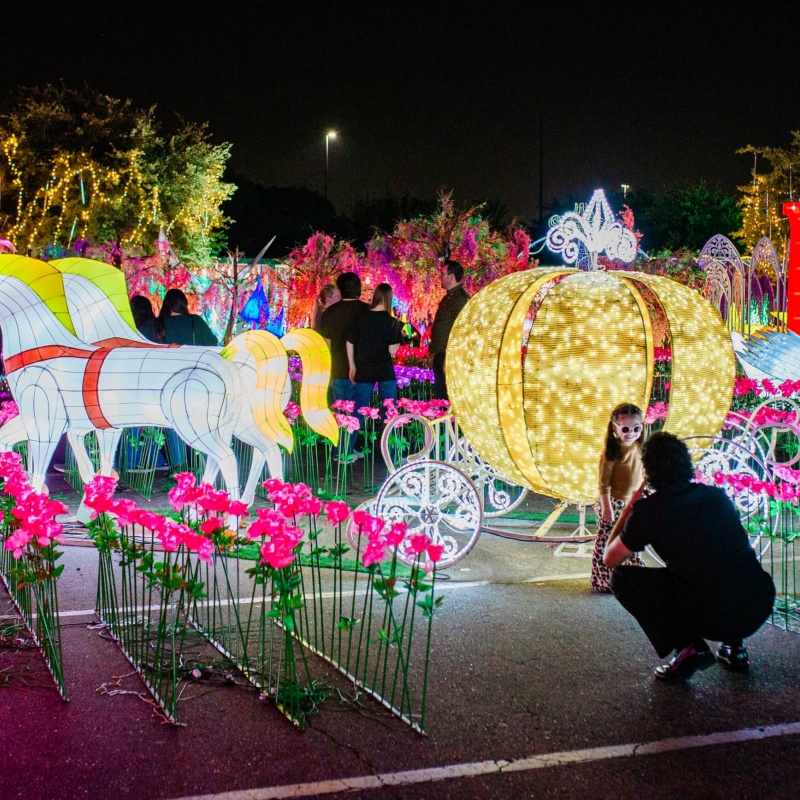
What Can Stay Open at the Start?
Some early questions are better recorded than prematurely answered. Budget information and reference images may not be available during the first discussion. Preliminary visual subjects may also remain open, including approximate display families, dimensions for discussion, colors, quantities, groupings, poses, theme zones, and visible lighting effects. At this stage, these are topics for later review, not final design instructions or supplier commitments.
A simple status label keeps the conversation clear:
- Confirmed: supported by a current venue source or an authorized venue decision
- Assumed: a working idea being used to continue the discussion
- Unknown: information that has not yet been supplied or decided
- Next owner: the person or qualified party responsible for checking or deciding the item
For example, the venue type and target area may be confirmed, while the preferred theme is assumed and the final dimensions remain unknown. The record should show who will confirm each open item. This makes uncertainty visible without asking the buyer to invent an answer or arrive with a complete professional design.
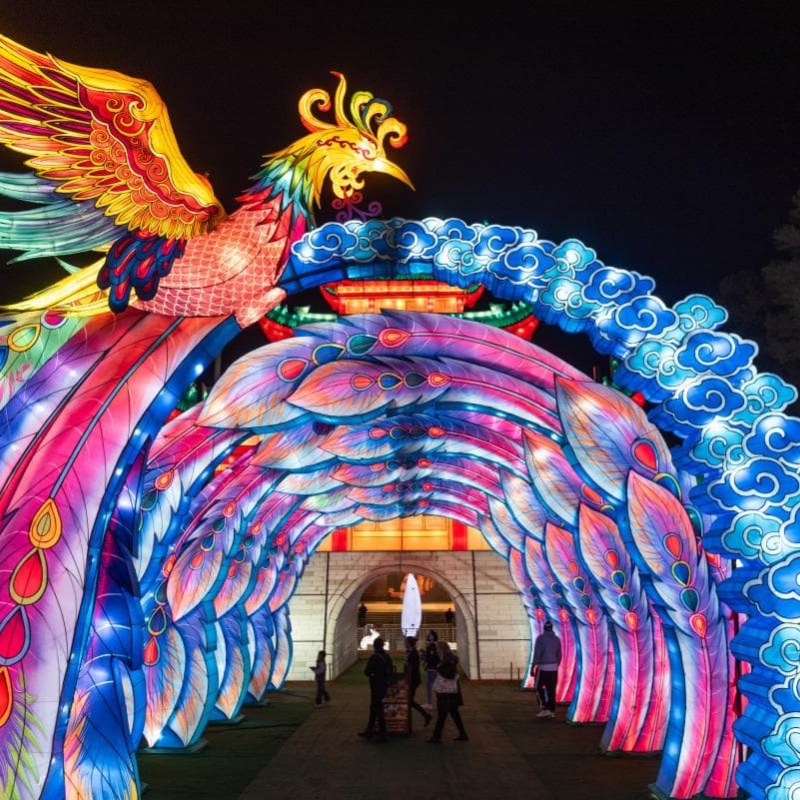
Who Should Decide the Next Questions?
The first supplier review becomes more useful when each question is routed to the right decision-maker. The categories below describe ownership of the next discussion; they do not make one supplier responsible for every item.
| Venue or organizer can clarify | Topics for supplier discussion | Qualified local parties must confirm where applicable |
|---|---|---|
| Venue type and available area; project purpose; target opening window; priority areas; available maps or photographs; known internal decision owner and known constraints | Preliminary visual options such as display families, dimensions for discussion, colors, quantities, groupings, poses, theme zones, and visible effects | Site-specific structural, electrical, fire, accessibility, heritage, permit, public-safety, and other locally regulated questions |
The venue remains the source for its business purpose, property information, and internal approvals. Supplier discussions can organize visual questions for later development, but they do not replace site-specific review. Where local professional or authority confirmation is needed, the item should remain open until the appropriate party addresses it.
What Can a First Review Produce?
One useful output from a first review can be a short decision record rather than a finished design, quotation, contract, technical approval, or project schedule. It can capture:
- Confirmed venue and project inputs
- Assumptions that still need confirmation
- Unknowns and open questions
- The owner of each next answer or decision
- The next decision needed before work advances
- The source and version date of the information reviewed
This record does not need to follow a fixed template. Its value is that everyone can see which statements are current, which are provisional, and where the next answer should come from. Adding a source or version date also helps prevent an older map, photograph, or decision from being treated as the latest information.
The page’s early-planning job ends here. When the venue is ready to move from this decision record into visual development, the custom lantern festival design process explains the next stage without turning the first supplier conversation into a finished-design requirement.

If your venue is considering a large commercial lantern festival, review the China Light Festival overview and share the project information currently available. Clearly labeled unknowns can remain open for the next review.
Post time: Mar-10-2026


