
In Chinese art, a five-clawed dragon can represent the emperor; a phoenix can be associated with an empress or with imperial power; lotus imagery can express Buddhist purity and other virtues; tree peonies can signify honor and wealth; and two fish in a compound motif can convey wishes for happiness and abundance. The object, period, pairing, and setting determine which reading fits.
This article focuses on motifs placed within lantern art. For broader meanings such as light and celebration, see what Chinese lanterns symbolize as objects.
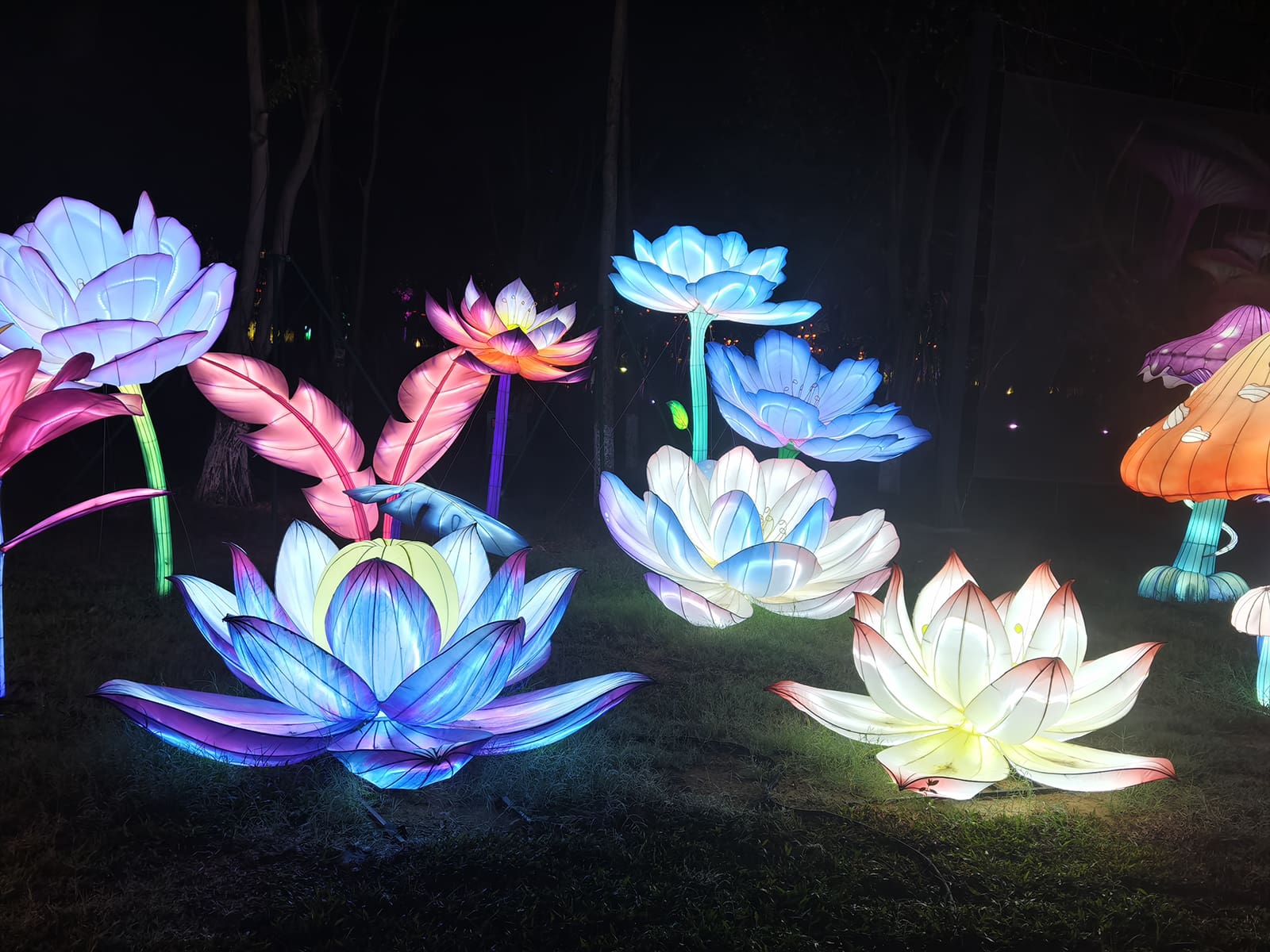
Five Chinese Motifs and Their Meanings
| Motif | Meanings supported by the cited sources | Source context |
|---|---|---|
| Dragon | Imperial authority; the five-clawed dragon represents the emperor | A late-Ming dragon-and-phoenix dish described by The Metropolitan Museum of Art |
| Phoenix | An empress association in one pairing; imperial power and prestige in a separate painting | A late-Ming court object and a 16th–17th-century painting described by The Met and the Smithsonian National Museum of Asian Art |
| Lotus | Buddhist purity; also summer, longevity, elegance, and other virtues | A mid-14th-century Yuan flask and the wider Chinese-art associations noted by The Met |
| Tree peony | Honor and wealth | An early-15th-century Ming lacquer box with peonies and seasonal flowers |
| Two fish | Wishes for happiness and abundance; the twin-fish motif is one of the eight Buddhist treasures | A Qianlong-period tray showing two fish suspended from a pendant shaped like an ancient stone chime, with treasures and clouds |
Dragon: Imperial Authority
On a late-Ming Dish with Dragon and Phoenix, The Metropolitan Museum of Art identifies the five-clawed dragon as a symbol of the emperor. The dragon’s imperial meaning is clear within this court object and its pairing with the phoenix. For a broader look at the motif beyond this example, continue to Chinese dragon lantern symbolism and festival context.
Phoenix: Empress and Imperial Power
The phoenix carries different associations in two museum objects. On The Met’s late-Ming dragon-and-phoenix dish, the paired phoenix is commonly associated with the empress. In the Smithsonian National Museum of Asian Art painting A Phoenix and Two Cranes under a Tree, the museum calls the phoenix the “king of birds” and explains that it represents the emperor’s power and prestige in that scene. The pairing and pictorial setting shape the reading.
Lotus: Purity, Summer, Longevity, and Elegance
The Met’s mid-14th-century Yuan Flask with Lotus Pond connects the lotus with Buddhist purity. The museum also notes broader associations in Chinese art, including summer, longevity, elegance, and other virtues. Together, these associations give lotus imagery a wider cultural range than a single purity label.
Peony: Honor and Wealth
For an early-15th-century Ming Covered Box with Peonies and Seasonal Flowers, The Met explains that tree peonies symbolize honor and wealth. The floral decoration and its early-Ming setting provide the context for that association.
Fish: Happiness and Abundance in a Compound Motif
On a Qianlong-period Rectangular Tray with Fish Chime, Treasures, and Clouds, two fish are suspended from a pendant shaped like an ancient stone chime within a larger auspicious composition. The Met reads the combination as wishes for happiness and abundance and states that the twin-fish motif is one of the eight Buddhist treasures. Here, the meaning belongs to the assembled motif of fish, the chime-shaped pendant, treasures, and surrounding imagery.
Why Object, Period, and Pairing Matter
A painted dish, hanging scroll, lacquer box, tray, and modern lantern display are different media. Their periods also differ, and a symbol can change when it appears alone or beside another motif. Court and religious settings add another layer. These four points—object, period, pairing, and setting—help connect a meaning to the evidence that supports it.
The pairings above show this in practice. Dragon and phoenix form an imperial relationship on the late-Ming dish. Phoenix, cranes, and a wutong tree create a different pictorial setting in the Smithsonian painting. On the Qianlong tray, two fish are suspended from a pendant shaped like an ancient stone chime and appear with treasures, bats, and clouds in an auspicious composition. In each example, the surrounding elements participate in the meaning.
From Historical Motif to Modern Lantern Art
A museum object provides a documented historical reference. A modern lantern display has its own creative context, so its intended meaning should come from the reference or story connected to that display. This keeps the historical association clear while leaving room for contemporary expression.
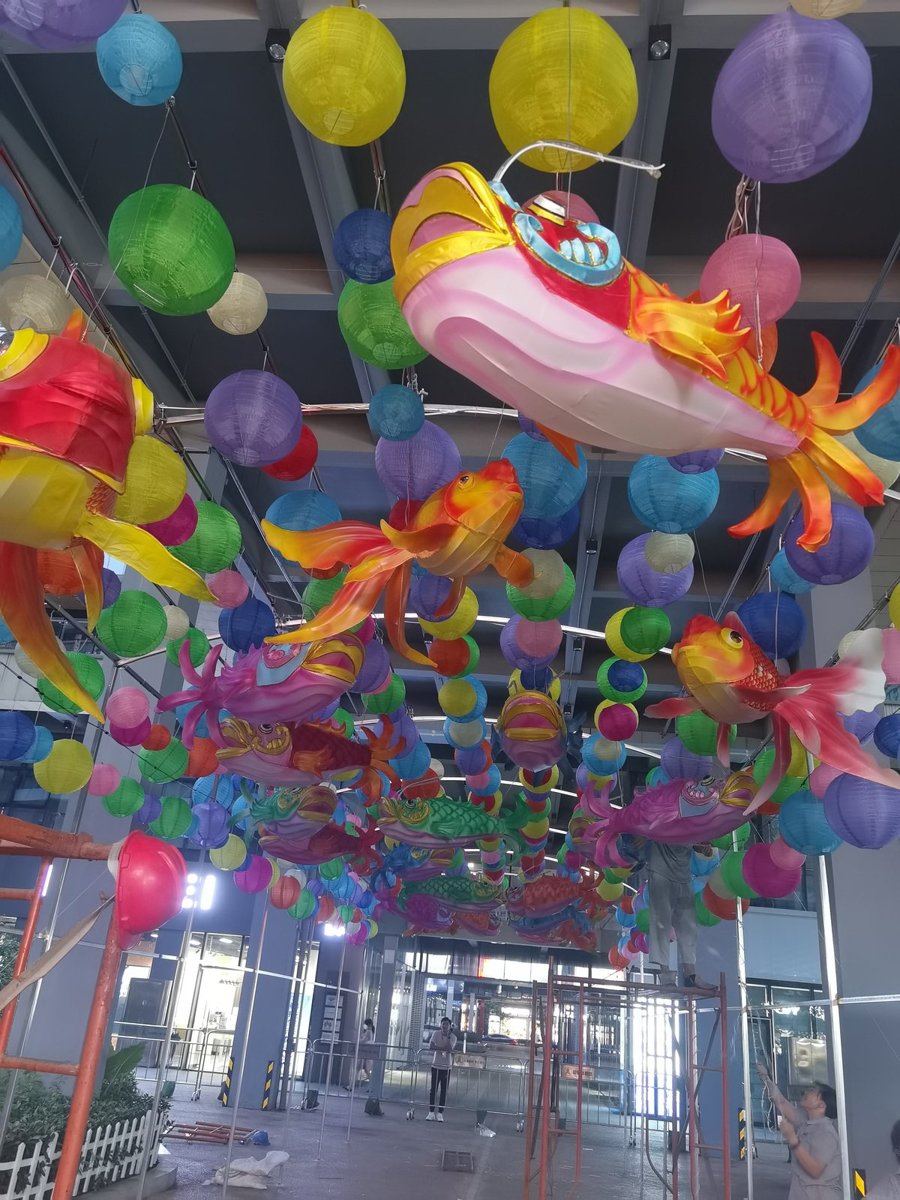
In our client discussions, many clients ask for a short explanation of what the main motifs are intended to mean. They often bring an idea or story rather than finished images. After discussion, our team provides motif references and images; planning staff draft the explanatory text, and our team reviews it. Overseas clients also ask how the Chinese phoenix differs from the Western phoenix. In those contemporary conversations, our team describes the Chinese phoenix through auspicious and positive meanings. That wording reflects our client communication; the historical readings above remain tied to their museum sources.
Meaning and visual treatment are separate questions. To explore how silhouette, line, illuminated color, and composition work in a large display, see how traditional visual language appears in large lantern displays.
Start with the Motif and Its Context
Chinese cultural symbols and meanings become clearer when the motif, source, and setting are named together. Planning a lantern display around a specific cultural story? Contact ParkLightShow to share the motif, reference source, venue context, and questions you want to discuss.
Post time: Oct-11-2026


