
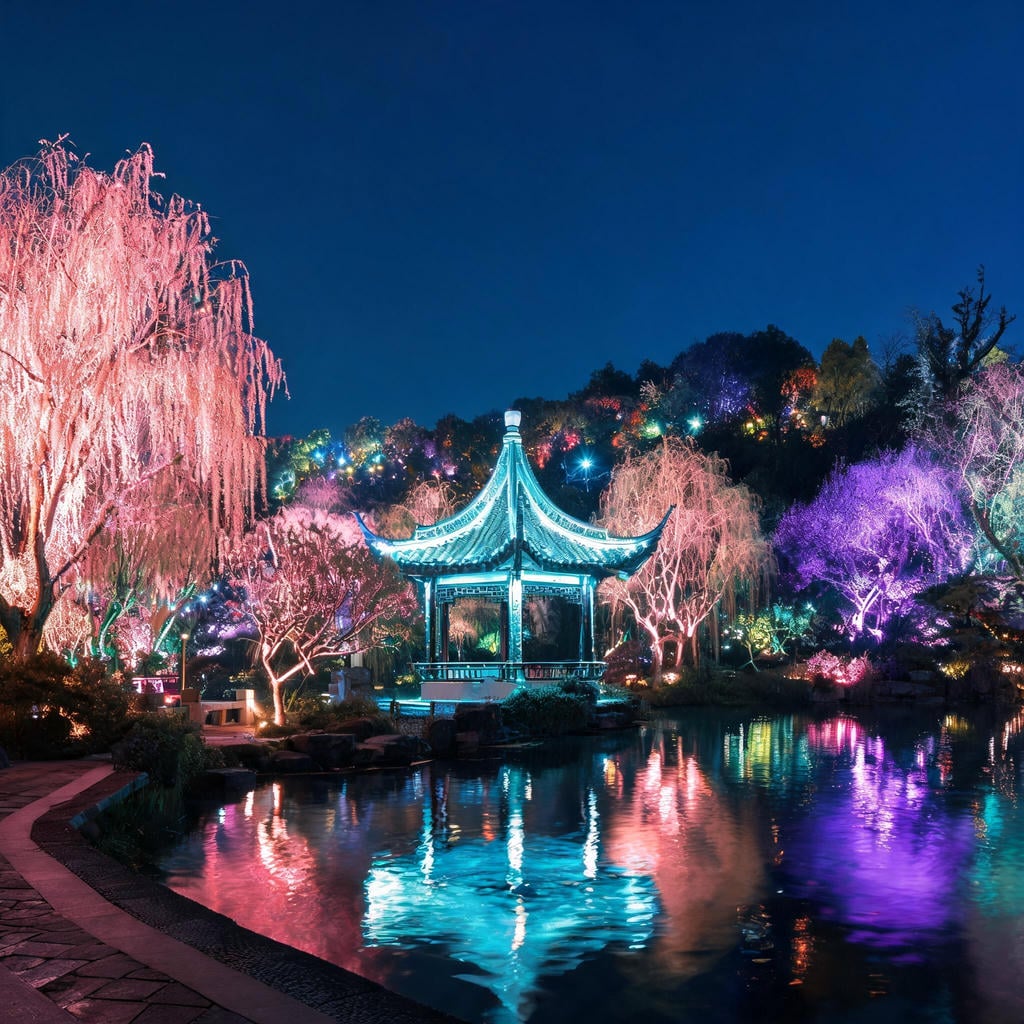
Abstract: A successful scenic area light show is not created by simply placing more lights around a park. For parks, scenic areas, resorts, zoos, commercial complexes, and outdoor tourism venues, the real value comes from route planning, visitor psychology, photo spots, power safety, maintenance control, and long-term business results.
This guide explains 8 essential lighting products commonly used in scenic area light shows and night tourism projects. More importantly, it shows how each product should be used within a complete project plan, so your venue can create a stronger night attraction instead of just adding decorative lighting.
1. Why Scenic Area Light Shows Need More Than Decorative Lighting
Many outdoor venues want to develop nighttime business, but the first mistake is often the same: they start by buying lighting products before they have a clear visitor route, theme concept, viewing rhythm, or revenue model.
For a scenic area, a park light show is not only a lighting project. It is a night tourism experience. Visitors need a reason to enter, a reason to keep walking, a reason to take photos, and a reason to recommend the event to others. That is why lighting equipment must be selected according to the actual site environment, not only according to brightness or price.
Before choosing products, a venue should answer several key questions:
- Where will visitors enter and exit?
- Which areas should become major photo spots?
- Which sections need soft atmosphere lighting?
- Which sections need strong visual impact?
- How will the project support tickets, food and beverage, retail, or brand exposure?
- How much maintenance can the operator realistically manage during the event season?
If these questions are not answered first, even expensive lighting equipment can become scattered decoration. If the planning is clear, the same budget can create a much stronger night tourism result.
For venues that are still evaluating route, budget, theme, and visitor flow, HOYECHI recommends starting with professional light show planning before final equipment selection.
2. The 8 Lighting Products That Support a Complete Scenic Area Light Show
The following 8 product types can be used in different sections of a scenic area light show. Each one has a different role. Some products are suitable for storytelling, some are better for atmosphere, some are designed for architecture, and some are used to create strong visual landmarks.
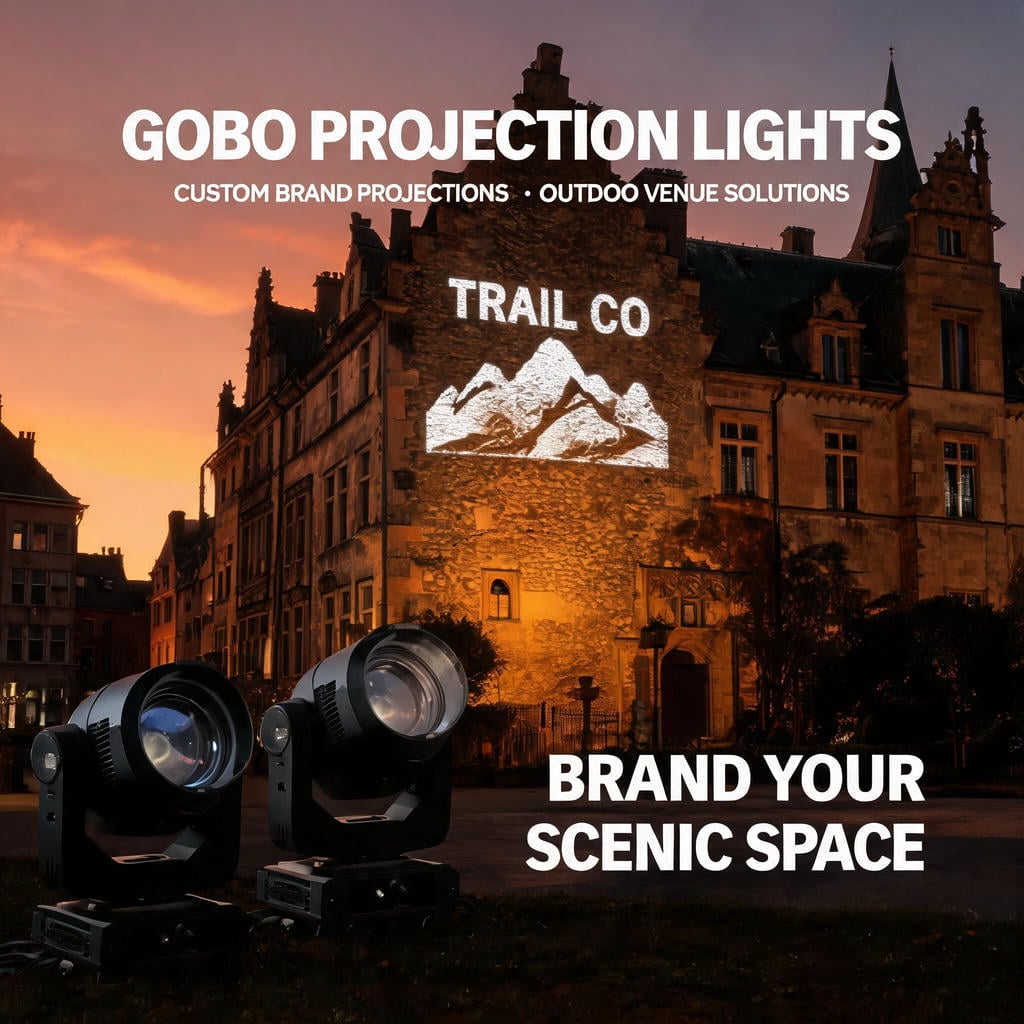
Product 1: Projection Lights for Storytelling and Dynamic Surfaces
Projection lights are often used when a venue wants to turn buildings, cliffs, walls, trees, mist screens, or water surfaces into visual storytelling areas. They are especially suitable for entrance zones, theme scenes, festival stories, and cultural tourism projects.
For a scenic area light show, projection is valuable because it can create rich visual content without changing the original structure of the site. A historical wall, natural rock surface, or commercial facade can become a large visual canvas at night.
- Best use: Building facades, mountain cliffs, cultural walls, water mist screens, forest canopies, and entrance storytelling areas.
- Planning risk: If projection distance, brightness, surface color, or ambient light is not calculated correctly, the image may look weak or unclear.
- Business value: Projection helps create a themed opening scene, strengthens the visitor’s first impression, and supports short video content for social media.
Projection should not be used randomly across the whole venue. It works best when placed at key story nodes where visitors naturally stop, watch, and take photos.
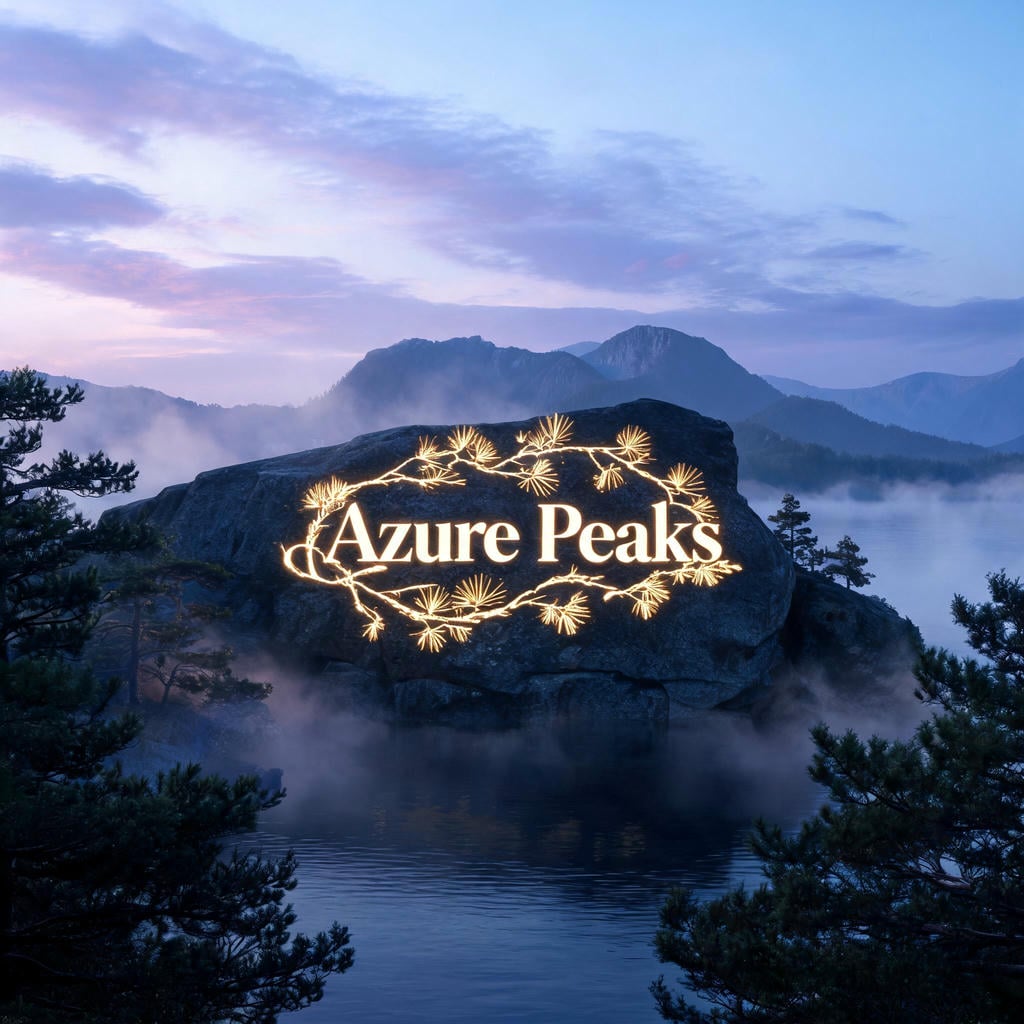
Product 2: Wash Lights for Atmosphere and Landscape Depth
Wash lights are used to illuminate large surfaces and create background atmosphere. They are especially useful for trees, lakesides, hillsides, garden landscapes, bridges, and open park areas.
In a night tourism project, wash lights are not only used to “make things bright.” Their real function is to shape the mood of the environment. A warm wash can make a garden feel romantic. A blue or purple wash can make a forest feel mysterious. A soft color gradient can make a lakefront area feel more immersive.
- Best use: Lakefront landscapes, tree groups, hillsides, garden paths, bridges, and open scenic backgrounds.
- Planning risk: Too much brightness can create glare and destroy the natural atmosphere of the venue.
- Business value: Wash lights increase the visual depth of the route and make visitors feel they are walking through a complete night environment.
For parks and scenic areas, wash lights should be used as supporting atmosphere lighting, not as the only visual feature. They work best when combined with lantern displays, projection, photo spots, and themed installations.
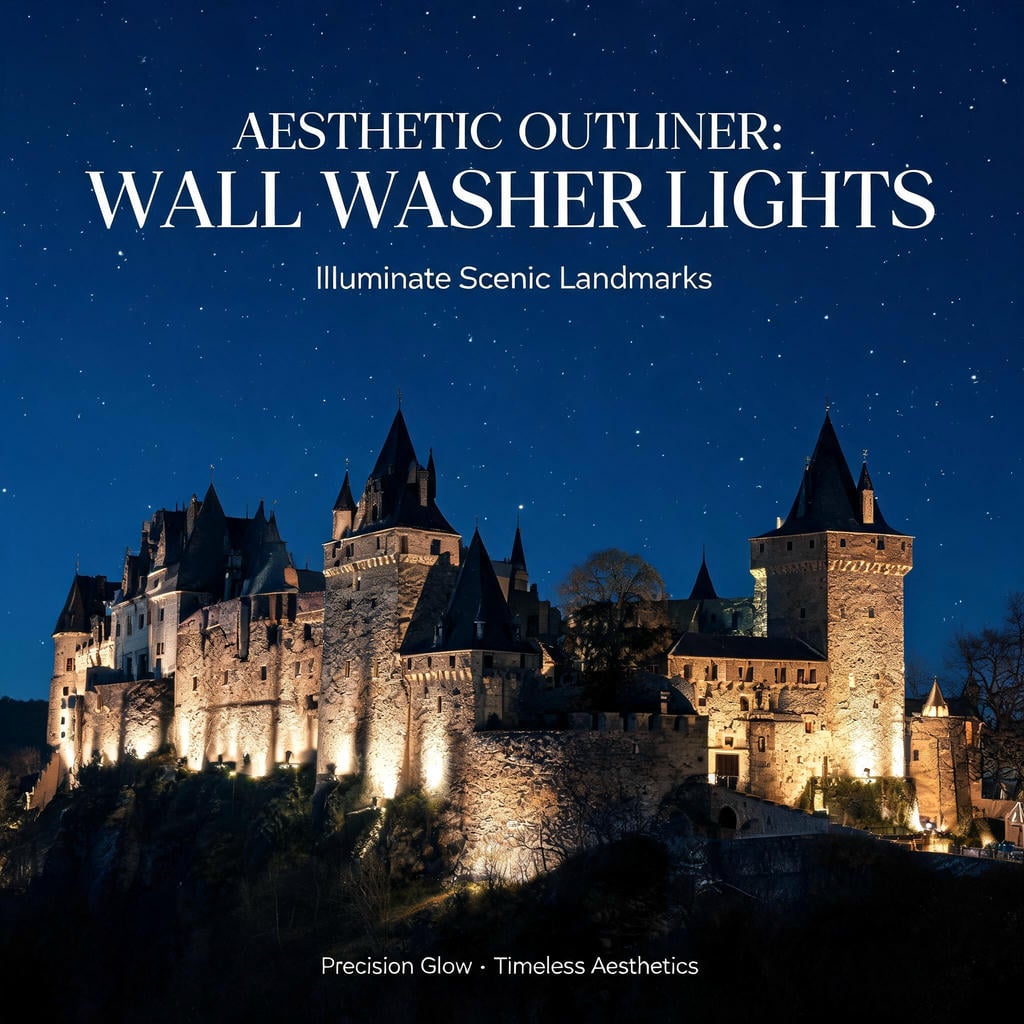
Product 3: Wall Washer Lights for Buildings and Cultural Streets
Wall washer lights are linear lighting products designed to highlight building facades, walls, columns, bridges, and architectural details. They are especially suitable for commercial streets, cultural blocks, historic towns, resort buildings, and themed park architecture.
Unlike general flood lighting, wall washers create a clean and controlled light effect along architectural surfaces. This makes them useful when a venue wants to upgrade the visual quality of existing buildings without adding too many decorative structures.
- Best use: Building facades, ancient-style streets, commercial blocks, bridges, hotels, pavilions, and entrance structures.
- Planning risk: If the beam angle or installation distance is wrong, the wall may look uneven or overly bright.
- Business value: Wall washers help improve the overall quality of a venue and make old buildings more attractive at night.
For scenic area light shows, wall washers are suitable for fixed architecture, but they are not the best choice for open fields or large natural forests.
Product 4: Gobo Projection Lights for Branding and Photo Spots
Gobo projection lights are highly useful for commercial venues, scenic areas, resorts, and seasonal light festivals. They can project logos, patterns, snowflakes, leaves, water ripples, festival symbols, directional signs, or customized theme graphics onto the ground, walls, or trees.
Compared with large projection mapping systems, gobo lights are usually easier to install and more flexible for smaller spaces. They are especially useful when a venue needs many small visual highlights along the visitor route.
- Best use: Entrance areas, check-in points, brand walls, pathway guidance, seasonal themes, and commercial sponsor areas.
- Planning risk: If used too frequently, the route can look messy and lose visual hierarchy.
- Business value: Gobo lights help create low-cost photo spots and can add sponsor logos or seasonal branding without heavy construction.
For commercial complexes and ticketed light festivals, customized gobo content can also support brand cooperation, festival campaigns, and visitor-generated photos.
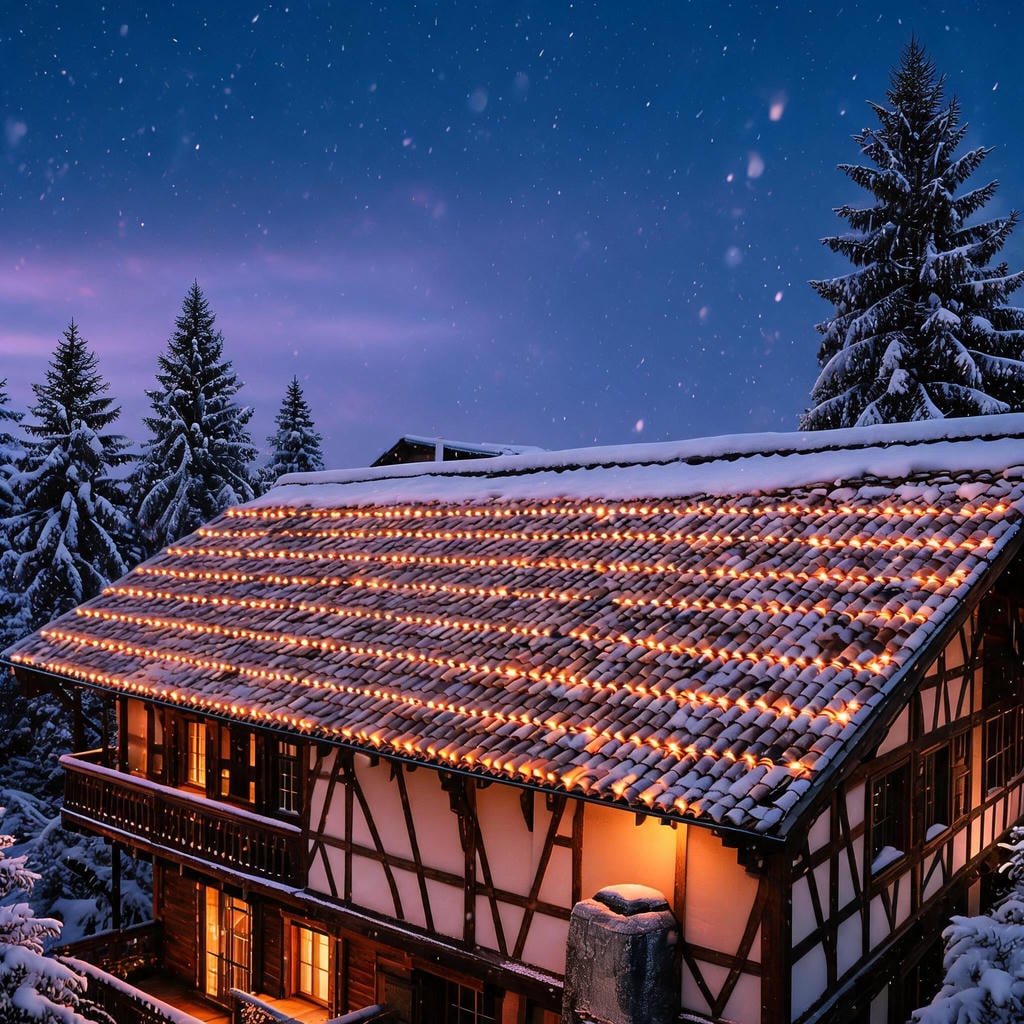
Product 5: Roof Tile Lights for Traditional Architecture and Cultural Venues
Roof tile lights are designed for traditional buildings, pavilions, temples, cultural streets, and Asian-style scenic architecture. They are used to outline roof edges and highlight the layered structure of traditional buildings at night.
In cultural tourism projects, roof lighting must be handled carefully. The goal is not only brightness, but also respect for the architecture. Good roof tile lighting should make the building more elegant without making it look artificial or over-decorated.
- Best use: Traditional roofs, pavilions, temples, cultural parks, resort streets, and heritage-style buildings.
- Planning risk: Poor installation can damage the original visual style of the architecture or create waterproofing problems.
- Business value: Roof tile lights help extend daytime cultural architecture into a premium night tourism asset.
For scenic areas with cultural buildings, roof lighting can become an important part of the night skyline and can guide visitors deeper into the route.
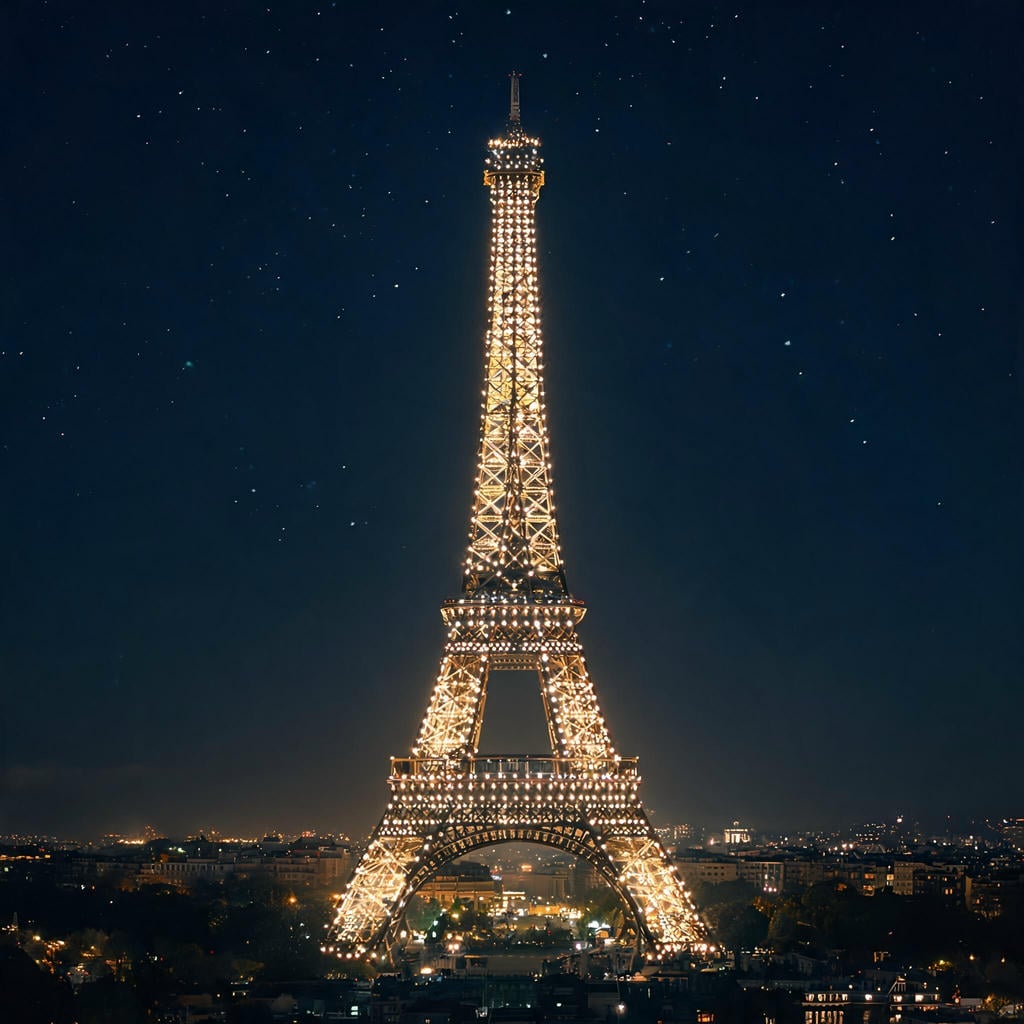
Product 6: Pixel Point Lights for Landmark Structures and Dynamic Effects
Pixel point lights are used to create programmable lighting effects on landmark structures, towers, bridges, Ferris wheels, amusement rides, building grids, and large decorative frames. Through DMX or digital control systems, pixel lights can display movement, color changes, waves, patterns, and festival animations.
This product type is suitable when a venue wants a more modern, dynamic, or technology-driven atmosphere. It is also useful for commercial districts and amusement parks that need strong visual impact from a distance.
- Best use: Towers, Ferris wheels, bridges, amusement rides, landmark frames, building grids, and large entrance structures.
- Planning risk: Without proper programming, pixel lights can look chaotic or too similar to ordinary LED decoration.
- Business value: Pixel lights turn fixed structures into active visual landmarks and help improve the venue’s nighttime identity.
For park light shows, pixel point lights should usually be used on major structures or landmark zones, not scattered across every small area.
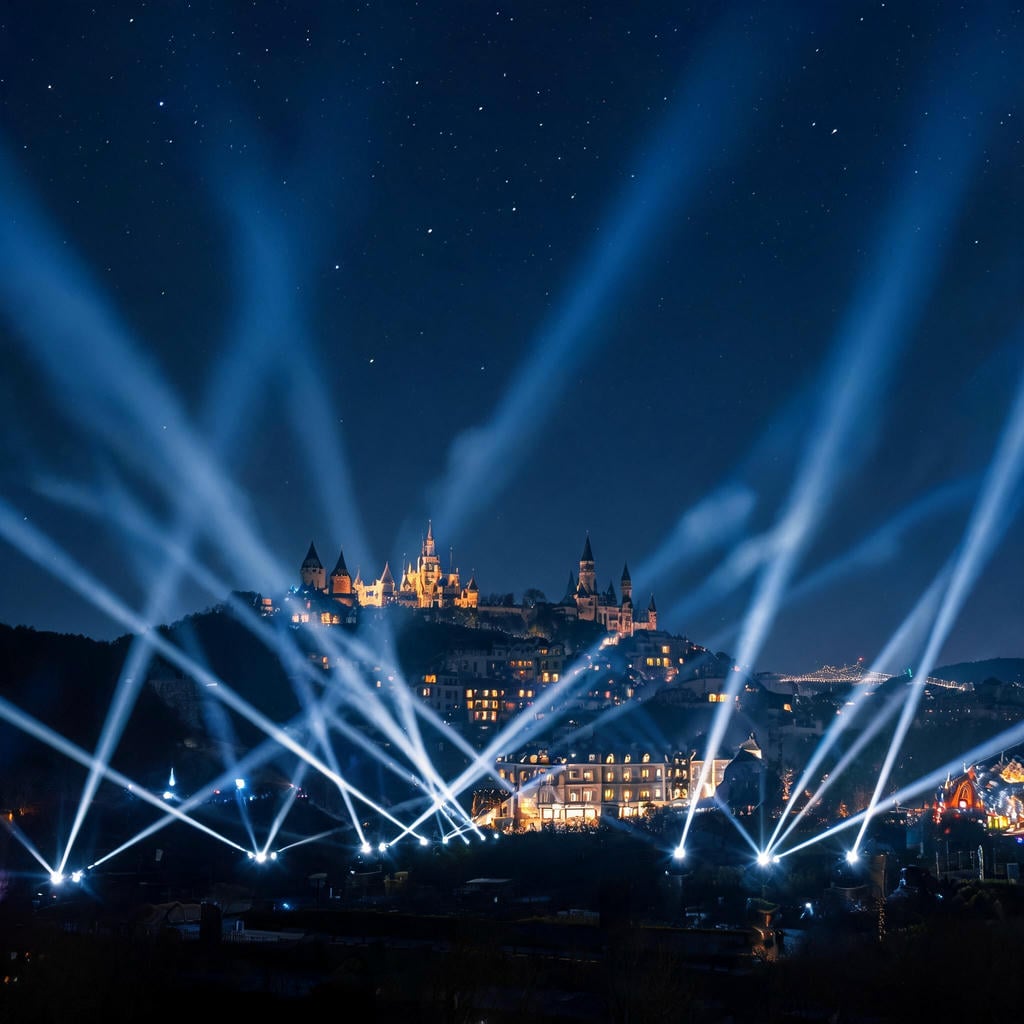
Product 7: Moving Beam Lights for High-Energy Visual Impact
Moving beam lights are used to create strong aerial effects, stage-like energy, and long-distance visibility. They are suitable for large open squares, lakefront shows, mountain viewing areas, festival centers, and performance zones.
In a scenic area light show, beam lights are not needed everywhere. Their role is to create moments of excitement. They work best during scheduled shows, countdown moments, music-synchronized scenes, or landmark viewing points.
- Best use: Main performance areas, large lawns, open plazas, lakefront stages, mountain viewpoints, and festival center zones.
- Planning risk: Overuse can disturb nearby communities, create light pollution, or weaken the atmosphere of quieter scenic sections.
- Business value: Beam lights create strong visual signals that attract visitors from a distance and make the event feel larger and more energetic.
For family-friendly parks and resorts, beam lights should be used with rhythm control. A balanced route should include both exciting moments and calm immersive areas.
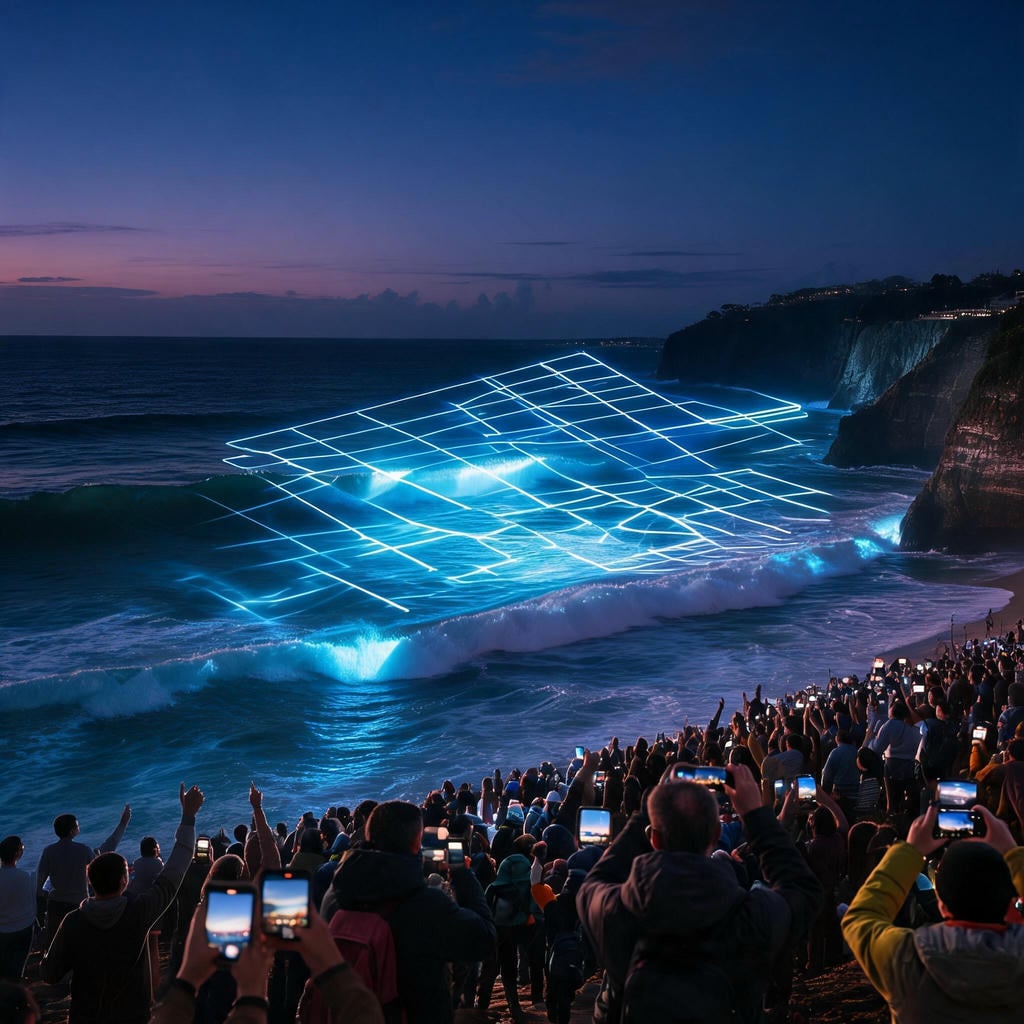
Product 8: Laser Lights for Large-Scale Atmosphere and Signature Shows
Laser lights are often used for large-scale visual effects, water shows, mountain shows, mist effects, aurora-style scenes, and landmark night performances. They can cover a wide visual area and create strong emotional impact when used correctly.
For scenic areas, lasers can be especially effective in open natural environments such as lakes, valleys, cliffs, forests, beaches, and large public squares. However, they must be planned with safety, viewing angle, control system, and local regulations in mind.
- Best use: Waterfront areas, mountain landscapes, foggy valleys, large lawns, civic plazas, forest routes, and signature show zones.
- Planning risk: Improper laser direction, excessive intensity, or weak safety planning can create operational risk.
- Business value: Laser effects can become the climax of the route and help create memorable scenes for photos and videos.
Laser lights should be treated as a strategic visual asset, not as a simple decoration product. They work best when combined with music, mist, projection, and a clear viewing area.
3. How to Match Lighting Products With Visitor Route Planning
A strong scenic area light show needs rhythm. Visitors should not see all effects at the same time. A better route usually includes different zones, each with a different purpose.
| Route Section | Main Goal | Recommended Lighting Products |
|---|---|---|
| Entrance Zone | Create first impression and guide ticketed entry | Projection lights, gobo lights, wall washers, themed lantern displays |
| Walking Route | Keep visitors moving comfortably | Wash lights, pathway lighting, small gobo projections, soft landscape lighting |
| Photo Spot Area | Encourage sharing and social media exposure | Gobo lights, projection lights, themed installations, pixel lights |
| Landmark Zone | Create a strong visual memory | Pixel point lights, moving beam lights, laser lights, large lantern structures |
| Performance Area | Build excitement and gather crowds | Moving beams, laser lights, projection systems, music-synchronized lighting |
| Commercial Zone | Support food, retail, sponsor branding, and visitor spending | Gobo lights, wall washers, warm wash lights, brand projection, decorative lanterns |
This is why equipment selection should always follow route planning. The question is not “Which light is the brightest?” The real question is “What job should this lighting section perform in the visitor journey?”
4. Common Mistakes in Scenic Area Light Show Equipment Selection
Many venues waste budget because they choose lighting products separately instead of planning the project as a complete visitor experience. The following mistakes are common in early-stage projects:
- Buying products before route planning: This often creates disconnected scenes and weak visitor flow.
- Using too many strong effects: If every area is bright and intense, visitors feel visual fatigue quickly.
- Ignoring maintenance: Outdoor equipment must be easy to access, repair, replace, and operate during the event period.
- Forgetting photo behavior: Visitors need clear, beautiful, and comfortable places to stop and take photos.
- Overlooking commercial areas: A light show route should support food, beverage, retail, and sponsor exposure when possible.
- Lacking a final climax: A route without a strong visual ending often feels incomplete.
A professional scenic area light show should connect theme, lighting, structure, power, route, safety, installation, and business goals into one complete plan.
5. Equipment Is Important, But Planning Decides the ROI
Lighting products are only tools. The final result depends on how these tools are arranged, controlled, installed, and connected with the visitor experience.
For example, the same laser system can become either an impressive show climax or a confusing lighting effect. The same gobo projection can become either a useful photo spot or a distracting pattern on the ground. The same wash lights can either make a garden feel immersive or make it look flat and overexposed.
That is why professional planning should include:
- Theme concept design
- Visitor route planning
- Lighting product selection
- Power and safety layout
- Installation method
- Maintenance planning
- Photo spot design
- Commercial zone planning
- Operation and revenue model evaluation
For parks, zoos, farms, resorts, and scenic areas, the goal is not only to make the venue look beautiful at night. The goal is to create a night attraction that can increase visitors, extend stay time, improve brand value, and support real business returns.
6. HOYECHI: From Lighting Products to Complete Night Tourism Solutions
HOYECHI provides more than individual lighting products. We help parks, scenic areas, zoos, resorts, farms, commercial complexes, and outdoor venues develop complete park light show and night tourism solutions from concept to installation.
Our work can include theme planning, 3D concept design, custom lantern production, projection and lighting system selection, modular structure fabrication, packaging, shipping support, and overseas installation guidance. For selected venues, HOYECHI can also discuss a partnership model to reduce initial project pressure and support long-term cooperation.
If your venue is planning a seasonal light festival, long-term scenic illumination upgrade, ticketed night attraction, or commercial night tourism project, the first step should not be buying random equipment. The first step should be evaluating your site, visitor route, theme, budget, and business model.
7. Final Recommendation
Projection lights, wash lights, wall washers, gobo lights, roof tile lights, pixel point lights, moving beam lights, and laser lights can all play important roles in a scenic area light show. But none of them should be selected in isolation.
A successful project must answer three questions:
- What experience should visitors remember?
- How will the route guide people from one scene to the next?
- How will the lighting investment create commercial value for the venue?
When the lighting system, visitor route, visual theme, and business plan work together, a park or scenic area can turn unused nighttime space into a valuable night tourism attraction.
Planning a scenic area light show, park light festival, zoo light show, resort night attraction, or commercial outdoor lighting event? View our case studies, explore our light show planning service, or contact HOYECHI for a pre-project evaluation.
HOYECHI® — Making global festivities more joyful.
Post time: Jun-13-2026


