

For years, many parks and scenic destinations followed the same strategy: lower ticket prices, add more attractions, install more photo spots, and hope visitor numbers would continue to grow.
But across the global tourism industry, many park operators are discovering something important: more visitors do not always mean more revenue.
Some parks attract large holiday crowds but still struggle with low repeat visits, weak nighttime spending, short visitor stay times, and limited emotional connection with guests.
The reason is simple. Modern visitors are no longer choosing parks based only on what the park has. They are choosing parks based on how the experience makes them feel.
Today, successful parks are no longer selling only landscapes, rides, or installations. They are selling emotion, identity, atmosphere, social connection, and memorable experiences.
In many ways, modern park tourism has become emotional tourism.
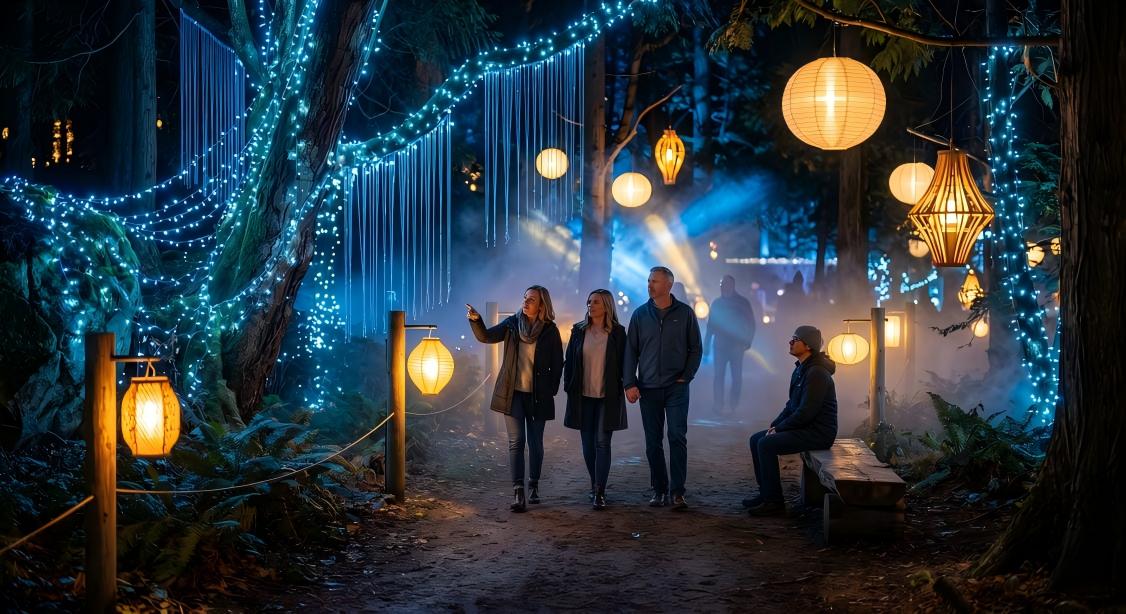
Modern Park Tourism Is No Longer Just About Sightseeing
Traditional tourism was largely about sightseeing. People visited parks to relax during holidays, enjoy scenery, take family photos, and experience something new.
But today, especially in the age of Instagram, TikTok, and immersive entertainment, visitor expectations have changed dramatically.
Modern visitors often choose parks and nighttime attractions because they want to escape stress, feel emotionally refreshed, experience something immersive, create social media content, feel connected with others, and express their identity.
This is one reason why a well-planned lantern festival for parks can become more than a seasonal decoration. It can turn existing outdoor spaces into emotional nighttime experiences that visitors are willing to remember, share, and revisit.
People are no longer only looking for attractions. They are looking for emotional experiences.
Why Emotional Experiences Matter for Parks
Many of today’s most successful parks are not necessarily the largest or most expensive. What makes them successful is their ability to create emotional engagement.
For example, immersive art spaces and interactive light exhibitions attract visitors not only because of visual design, but because visitors feel emotionally involved in the environment.
The same logic now applies to modern parks and scenic areas. A park light show is no longer just about decorative lighting. It is about creating wonder, emotional escape, shared memories, immersive storytelling, and nighttime atmosphere.
For scenic destinations that already have walking routes, natural landscapes, lakes, plazas, or open spaces, a scenic area light show can help transform daytime scenery into a stronger nighttime tourism experience.
When visitors walk through a well-designed lantern festival or immersive park light trail, they are not simply looking at lights. They are experiencing a temporary emotional transformation.
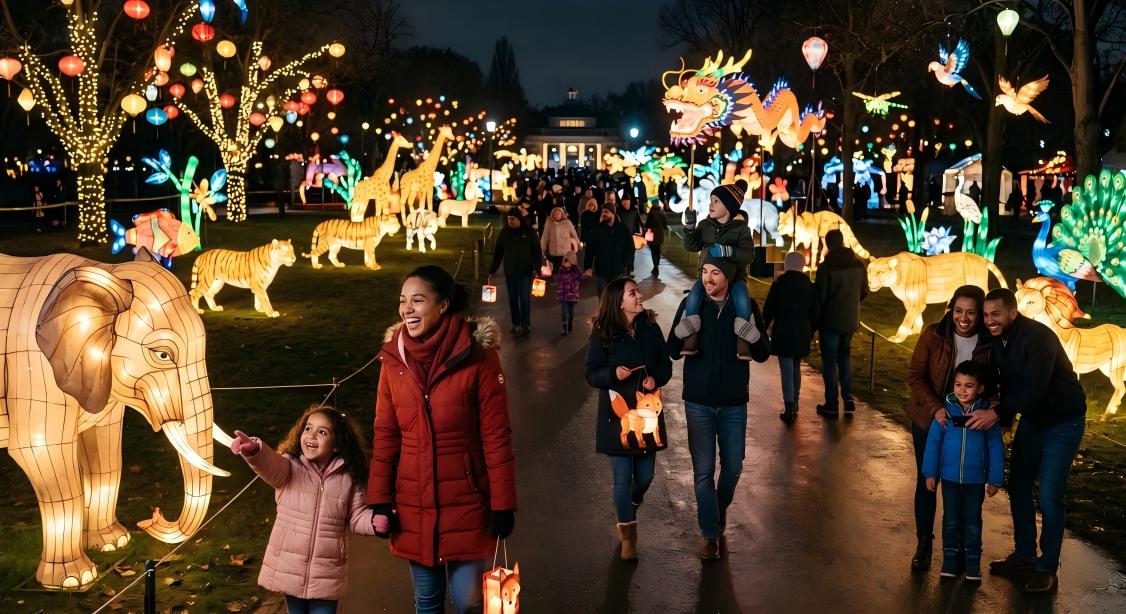
Modern Park Visitors Are Searching for Emotional Escape
Modern life is stressful. Many people visit parks because they want to temporarily disconnect from work pressure, digital overload, crowded cities, and daily routines.
This is why slow-paced scenic parks, immersive nighttime walks, and carefully planned light show routes continue to grow in popularity.
Visitors are not only paying for scenery. They are paying for emotional relief.
A well-designed park light show can help create this feeling through ambient lighting, immersive walking routes, music, storytelling, and interactive environments.
For park operators, early-stage park light show planning is especially important. The project should not only consider where to place lights, but also how visitors move, feel, stop, take photos, and remember the experience.
Social Media Has Changed the Way Visitors Experience Parks
Today’s visitors increasingly use travel and park experiences as a form of identity expression.
People want to share experiences that feel unique, artistic, immersive, and visually memorable.
This explains why immersive park installations, lantern trails, and nighttime light festivals perform well on social media platforms like TikTok and Instagram.
Visitors are not only taking photos. They are communicating something about themselves.
They may be saying: my lifestyle is interesting, I discovered something special, or I had a meaningful experience worth sharing.
For many parks, social sharing has become one of the strongest forms of marketing. A good nighttime attraction does not only bring visitors into the park. It also allows visitors to promote the park naturally through their own content.
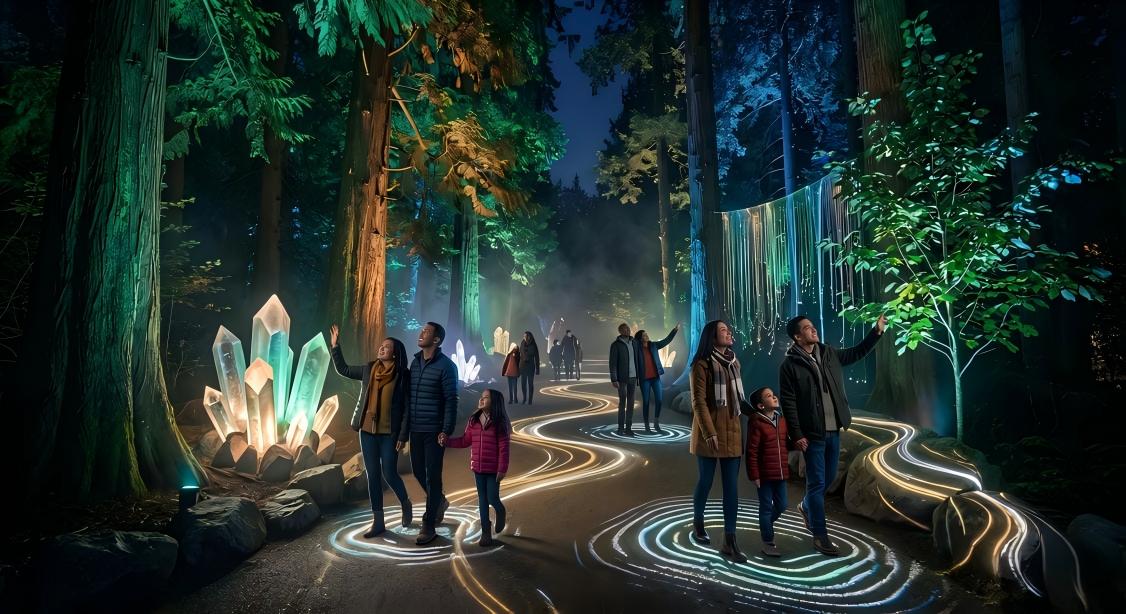
Why Many Parks Struggle With Nighttime Attractions
One common mistake is focusing only on visual installations without understanding emotional motivation.
Many parks simply copy light tunnels, decorative lanterns, glowing pathways, or photo spots. These elements may attract attention for a short time, but visual elements alone are not enough anymore.
Visitors may come once for photos, but emotional connection is what creates repeat visits.
The most successful park light shows and lantern festivals are designed around storytelling, atmosphere, emotional immersion, visitor interaction, and memorable nighttime experiences.
This is what transforms a simple park attraction into a destination experience.
From Attraction Design to Business Value
For park operators and scenic destinations, emotional experience design is not only a creative issue. It is also a business issue.
A strong nighttime attraction can help extend visitor stay time, improve evening traffic, create new ticket revenue, and increase food, retail, and event-related spending.
This is why many parks are now exploring flexible project models, including seasonal events, ticketed light festivals, and venue partnerships for light festivals.
Instead of treating lighting as a simple decoration, park operators can use immersive light experiences as a tool to create stronger visitor engagement and new nighttime revenue opportunities.
The Future of Park Tourism Is Emotional Design
As competition between parks and scenic destinations continues to grow, emotional experience design is becoming increasingly important.
Future visitors may not choose parks simply because they are larger or cheaper. They will choose parks that make them feel relaxed, inspired, emotionally connected, socially engaged, and part of something memorable.
For park operators, scenic destinations, and nighttime tourism planners, one question is becoming more important than ever:
What emotional experience will visitors remember after they leave?
Because in modern tourism, visitors are often not paying only for attractions.
They are paying for how the experience allows them to feel — and who it allows them to become.
Post time: May-08-2026


