

Chinese lanterns are often admired for their color, glow, and festive beauty, but their meaning goes far beyond decoration. In Chinese culture, lanterns have long been connected with ideas such as light, reunion, joy, blessing, hope, and cultural continuity. Their symbolism comes not only from how they look, but also from when they are used, what colors they carry, and the role they play in traditional celebrations.
Today, Chinese lanterns appear in festivals, temple fairs, family celebrations, public art events, and large outdoor displays. Even in modern settings, they still carry emotional and cultural meanings that people can easily recognize. To understand what Chinese lanterns symbolize, it is useful to look at both their traditional roots and their modern cultural role.
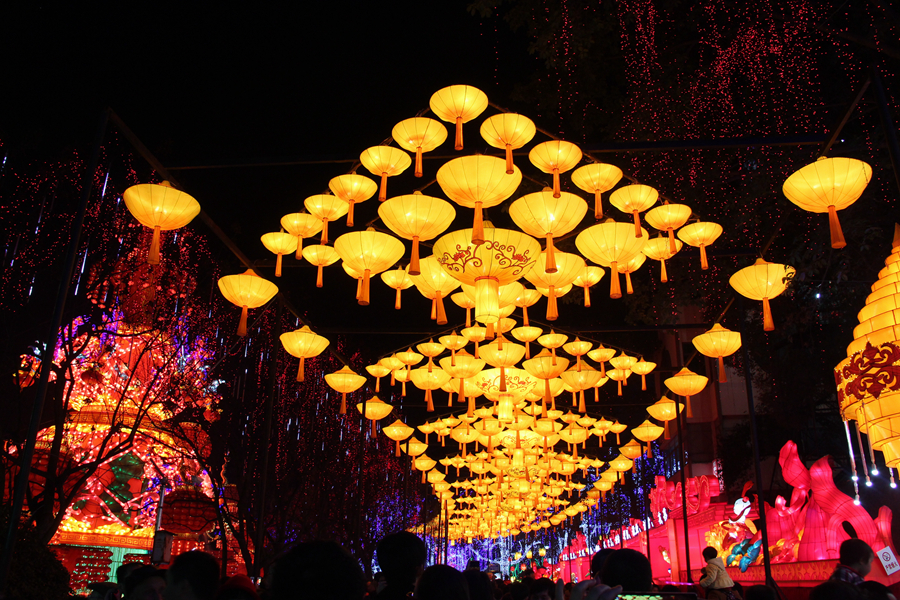
An illuminated lantern canopy used in a cultural festival display to express warmth, joy, and traditional celebration
Light in Darkness
At the most basic level, a Chinese lantern symbolizes light. Before modern electric lighting, lanterns had a practical purpose: they helped people move, gather, and celebrate after dark. Over time, this everyday use developed into something more symbolic.
Light naturally suggests warmth, safety, visibility, and direction. Because of this, lanterns gradually came to represent hope in dark moments and the idea of moving toward something brighter. This is one reason lantern imagery often feels comforting as well as festive. It does not only brighten a space visually. It also suggests emotional warmth and a positive outlook.
Reunion and Togetherness
One of the strongest meanings associated with Chinese lanterns is reunion. This symbolism is especially visible during the Lantern Festival, when families and communities gather to enjoy illuminated displays, solve lantern riddles, and share festive food. In this context, lanterns are part of a shared cultural experience rather than simple decoration.
Because they are closely tied to family gatherings and seasonal celebration, lanterns often symbolize unity, harmony, and emotional closeness. Their glow creates an atmosphere that feels collective and welcoming. In many traditional settings, they are part of what makes a celebration feel complete.
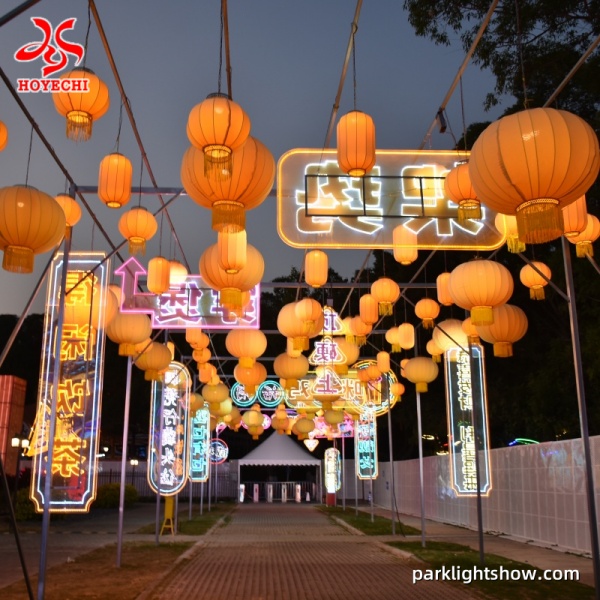
A glowing lantern walkway used in a cultural festival display to create warmth, celebration, and visual attraction
Joy, Celebration, and Festive Energy
Chinese lanterns are also symbols of joy. Their presence usually signals that something meaningful is being celebrated, whether it is a festival, a public holiday, a wedding, or an important seasonal event. Lanterns bring color, brightness, and movement to streets, courtyards, parks, and plazas, turning ordinary spaces into places of gathering and celebration.
This festive quality gives lanterns a strong social meaning. They suggest openness, happiness, and shared experience. A lantern display often makes a place feel more active, more welcoming, and more memorable. In that sense, the lantern is not only an object of light, but also a sign of public joy.
Blessings, Good Fortune, and Auspicious Meaning
Many Chinese lanterns also carry the meaning of blessing. This is especially true when they use traditional colors and motifs. Red lanterns are strongly associated with happiness, good fortune, and celebration. Gold details may suggest prosperity or honor. Decorative patterns such as clouds, flowers, fish, phoenixes, or dragons can add further layers of auspicious meaning.
Because of these visual traditions, lanterns often communicate wishes for peace, prosperity, success, and family well-being. They can be understood as visual forms of blessing, especially when used during the New Year season or major public celebrations.
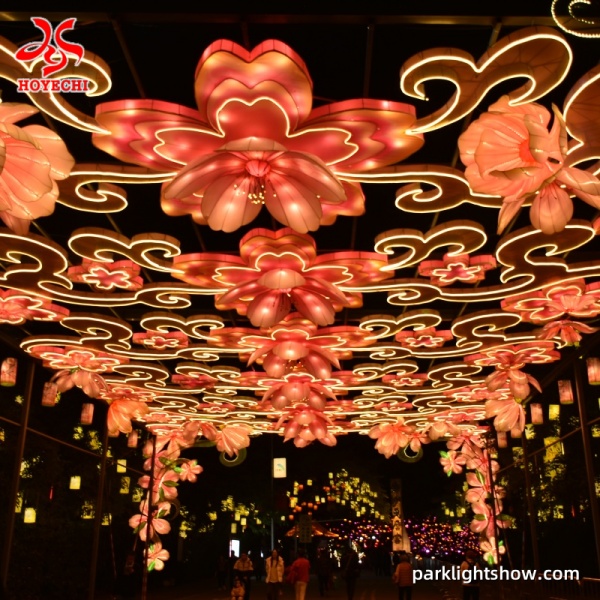
A decorative Chinese lantern installation featuring floral motifs and glowing patterns for festival and cultural light displays
A Symbol of Guidance and Aspiration
Lanterns can also symbolize direction. Historically, a lantern helped illuminate the road ahead. Symbolically, this practical function became linked with the idea of guidance, aspiration, and the search for a better path. A lantern may suggest not only physical light, but also clarity, purpose, and forward movement.
This meaning appears often in literature, storytelling, and visual art, where lanterns can represent longing, reflection, or the desire to move toward something meaningful. That is why lanterns can feel poetic as well as festive. They carry both celebration and quiet emotional depth.
Cultural Memory and Craft Tradition
Chinese lanterns also symbolize continuity. They connect the present with long-standing traditions of craftsmanship, seasonal ritual, and shared visual culture. In many forms, lantern-making involves structure building, pasting, shaping, coloring, and illumination. These processes are not only technical steps. They are part of a larger cultural practice that has been passed down and adapted over time.
Even when modern lanterns are made with updated materials and lighting systems, they still reflect traditional artistic ideas. This is why lanterns often feel both historical and contemporary at the same time. They can evolve in scale and technology while still carrying recognizable cultural meaning.
Why Color Matters in Chinese Lantern Symbolism
Color plays a major role in how Chinese lanterns are understood. Red is the most iconic color and usually represents joy, celebration, luck, and prosperity. Yellow and gold often suggest brightness, dignity, and abundance. Pink can feel romantic or spring-like. Green may suggest growth or nature, while blue in modern displays may create a dreamlike or artistic mood.
The symbolism of a lantern is therefore shaped not only by tradition, but also by design choices. Color changes emotional tone, and emotional tone influences meaning. A lantern does not communicate through shape alone. It also communicates through atmosphere.
What Chinese Lanterns Mean Today
In modern public displays, Chinese lanterns still carry their traditional symbolism, but their role has expanded. Today they may represent cultural storytelling, place identity, tourism vitality, or seasonal transformation. In parks, scenic areas, and public events, lantern displays can help create immersive spaces that invite people to slow down, explore, and connect with their surroundings.
Animal lanterns may symbolize harmony with nature. Flower lanterns may suggest renewal and beauty. Dragon lanterns often communicate strength and auspicious energy. Walk-through lantern tunnels may symbolize journey and discovery. As display design becomes more creative, symbolic meaning becomes more layered as well.
Why Chinese Lanterns Remain Meaningful
Chinese lanterns remain meaningful because they combine beauty with emotion and tradition with public experience. They are easy to appreciate visually, but they also carry deeper ideas that connect people to family, celebration, memory, and cultural identity. This combination gives them lasting power.
Unlike many temporary decorations, lanterns often feel expressive. They do not simply fill a space. They shape atmosphere and communicate feeling. That is why they continue to appear in both traditional festivals and modern cultural events.
Conclusion
So, what do Chinese lanterns symbolize? They symbolize light, hope, reunion, joy, blessing, guidance, and cultural continuity. Their meaning can shift depending on context, color, design, and occasion, but their core message stays remarkably consistent: they bring light not only to a place, but also to the human experience within it.
This is why Chinese lanterns continue to matter across generations. They are not only visually striking objects. They are cultural symbols that express emotion, memory, and shared celebration through light.
FAQ
What is the main meaning of a Chinese lantern?
The main meaning of a Chinese lantern is light, but in cultural use it often also represents hope, celebration, reunion, and blessing. Its meaning becomes deeper when viewed in the context of festivals and traditional customs.
Why are Chinese lanterns associated with reunion?
Chinese lanterns are strongly connected with the Lantern Festival and other family-centered celebrations. Because people gather under lantern displays during important seasonal events, lanterns naturally came to symbolize togetherness, family harmony, and shared joy.
Do different colors of Chinese lanterns have different meanings?
Yes. Red usually symbolizes joy, luck, and prosperity. Gold or yellow can suggest wealth and brightness. Other colors may create different emotional tones depending on the setting and design theme.
Are Chinese lanterns only used for festivals?
No. Although they are most strongly associated with festivals, Chinese lanterns are also used in weddings, temple fairs, public art displays, tourism events, and cultural exhibitions. Their symbolism can adapt to both traditional and modern settings.
Why do Chinese lanterns still matter in modern displays?
They still matter because they combine visual beauty with cultural meaning. Modern lantern displays may use new materials and larger formats, but they still express ideas such as celebration, place identity, memory, and emotional connection.
Post time: Mar-24-2026


