

When many venue owners first invest in a lantern festival project, one of the most natural questions is this: can the lantern displays stay in the same location for a long time, or be stored and reused again and again in the future?
On the surface, that seems reasonable. Lantern festival projects require real investment, so it is natural to hope that one set of content can keep creating value for as long as possible.
But in real operations, the long-term value of a lantern festival is not only a question of whether the displays can be physically preserved. The more practical questions are:
- Can the displays still attract visitors after they have been seen once?
- Can the visual quality still stay strong after dismantling, transport, and reinstallation?
- Who handles repair and maintenance when skilled technicians are no longer on site?
- Will local audiences still be willing to return when the mystery and novelty have faded?
In other words, the long-term value of a lantern festival is shaped by both physical wear and content freshness.
That is why, for many large-scale, highly themed, dreamlike lantern festival projects, the more practical model is often not long-term fixed installation and not rough storage for repeated reuse. Instead, it is a touring model: finish one venue, complete professional repair and adjustment, and then move the content to a new venue with a new audience.
For this type of project, touring is often a better value strategy than leaving the same content in one place for too long.
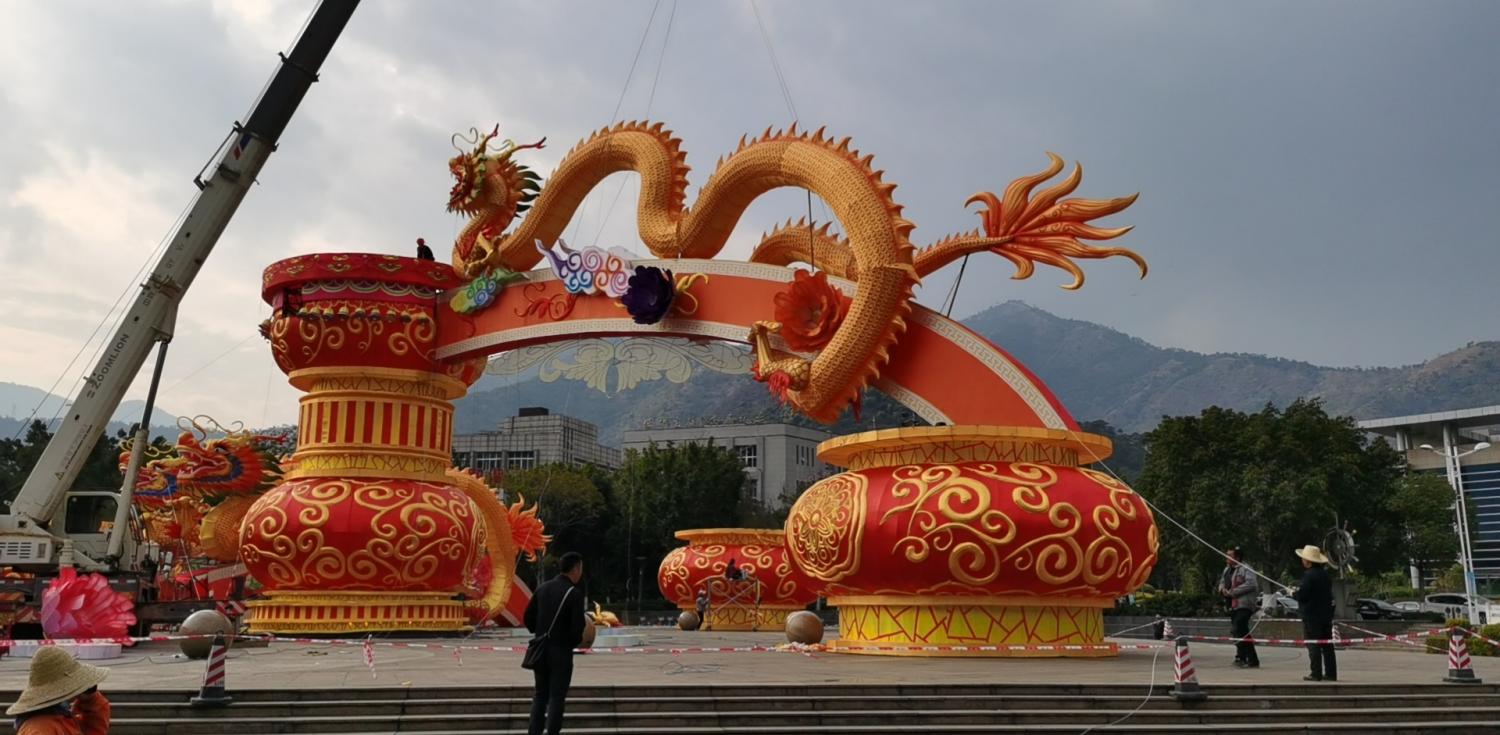
Why Many Buyers Assume Lantern Festivals Can Simply Be Used Again and Again
This misunderstanding is very common.
Many buyers naturally think that once the first season is complete, the lantern displays can simply remain on site, or be put into storage and taken out again for the next season.
The problem is that lantern festivals are not standard hard equipment. They are not industrial products that can sit in a warehouse for years and come back to life with minimal cleaning.
A lantern festival usually includes:
- steel or shaped support structures,
- fabric or surface covering materials,
- painted decorative details,
- lighting systems and electrical wiring,
- wear from dismantling and reinstallation,
- transport pressure, friction, and moisture risk,
- and aging during long idle periods.
That means “reusable” does not simply mean “store it and use it again next year.”
More importantly, lantern festivals do not create value only by existing. They create value by continuing to attract visitors.
Why Lantern Festival Value Is Reduced by Both Damage and Audience Fatigue
For lantern festival projects, value loss does not always begin with physical damage. In many cases, it begins earlier with audience fatigue.
Any decorative content can eventually lose freshness, but highly dreamlike and immersive lantern projects are especially sensitive to this problem. Their attraction often depends on:
- the first-time wow effect,
- the sense of nighttime fantasy,
- strong photo appeal,
- social sharing potential,
- and the feeling of “I have never seen this before.”
Once the mystery disappears, repeated viewing interest from the same local audience usually declines. That does not necessarily mean the lantern displays have failed. It simply means the content has started to lose novelty for the original market.
So lantern festivals do not only have a physical lifespan. They also have a content lifespan.
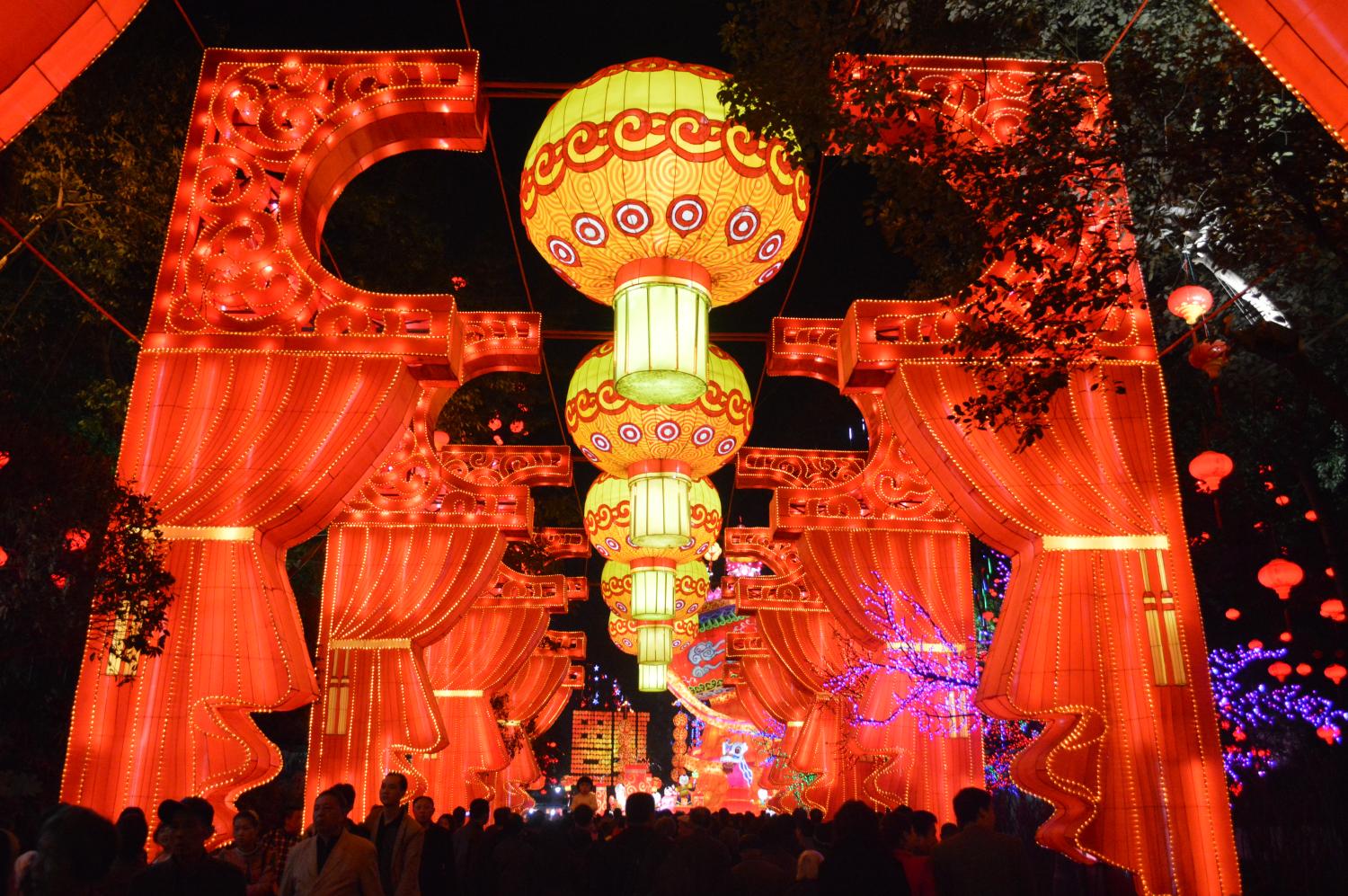
Why Dreamlike Lantern Festivals Lose Repeat Viewing Appeal Faster
This is especially important for fantasy-driven lantern festivals.
Projects built around fairy tales, flowers, immersive routes, glowing creatures, folklore scenes, and highly visual dream worlds often generate strong first-time excitement. But that excitement is closely tied to novelty.
When local audiences have already visited, taken photos, and posted the content, the same project usually becomes harder to sell again to the same people in the same market.
From an operating point of view, this means that even if the lantern displays are still functional, the ticket-driving power of the same content in the same place may drop much sooner than buyers expect.
This is one of the biggest reasons why many themed lantern festival projects are better suited to touring than long-term fixed installation.
Why Moving Existing Lantern Content to a New Venue Often Works Better
From an operating perspective, one of the best ways to extend lantern festival value is to move the content to a new venue and a new audience.
For the original audience, the content may no longer feel new. But for a new city, a new scenic area, a new park, or a new family market, the same content can still feel fresh, photogenic, and worth visiting.
That means the same lantern content may be losing novelty in one market while still holding strong attraction in another.
This is the core business advantage of a touring lantern festival model.
It is not only about reusing assets. It is about continuing to create ticket value, photo value, and nighttime tourism value in new places.
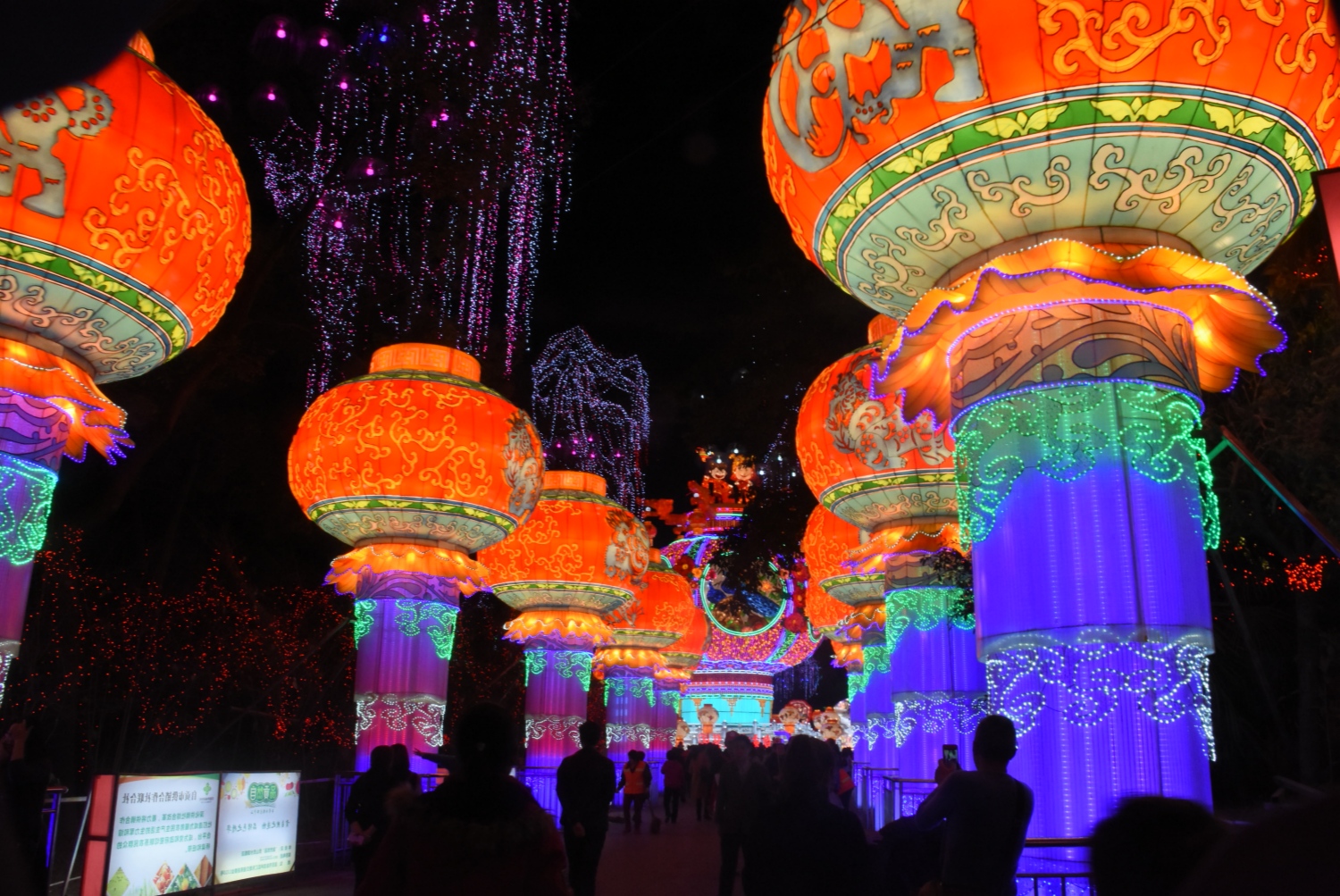
Why Touring Shows Improve Real Asset Utilization
When people talk about reuse, they often focus only on whether lantern displays can be used again. But from a business point of view, the more important question is this:
How high is the real utilization rate of the content?
If a lantern festival finishes one season and then sits in storage for long periods, it may still be technically reusable, but it is not actively creating value.
By contrast, if the content finishes one venue, receives repair and partial refresh from a professional team, and then moves to the next venue, it stays in active use.
This helps in several ways:
- the displays do not remain idle for too long,
- maintenance can be handled continuously,
- small issues can be repaired before they become major problems,
- visual quality stays more stable,
- one content package can serve multiple venues,
- and the investment works harder over time.
So a touring model does not only improve the number of times something is reused. It improves the real utilization efficiency of the whole lantern festival system.
Touring Is Not Just Moving Displays. It Requires Repair, Maintenance, and Partial Refresh
This is another point many buyers misunderstand.
A touring lantern festival does not mean finishing one event, dismantling everything, and showing the exact same installation in the exact same way somewhere else.
A stronger touring model usually works like this:
- inspect the full content after one venue closes,
- repair damaged parts,
- restore painted or decorative surfaces,
- test lights and electrical systems,
- adjust the content for the next site,
- and, when needed, add light updates, reconfiguration, or partial refresh elements.
So touring is not just about transportation. It is about moving with a maintenance system and an update capability.
That is what allows a project to keep performing well in multiple venues instead of slowly degrading after each move.
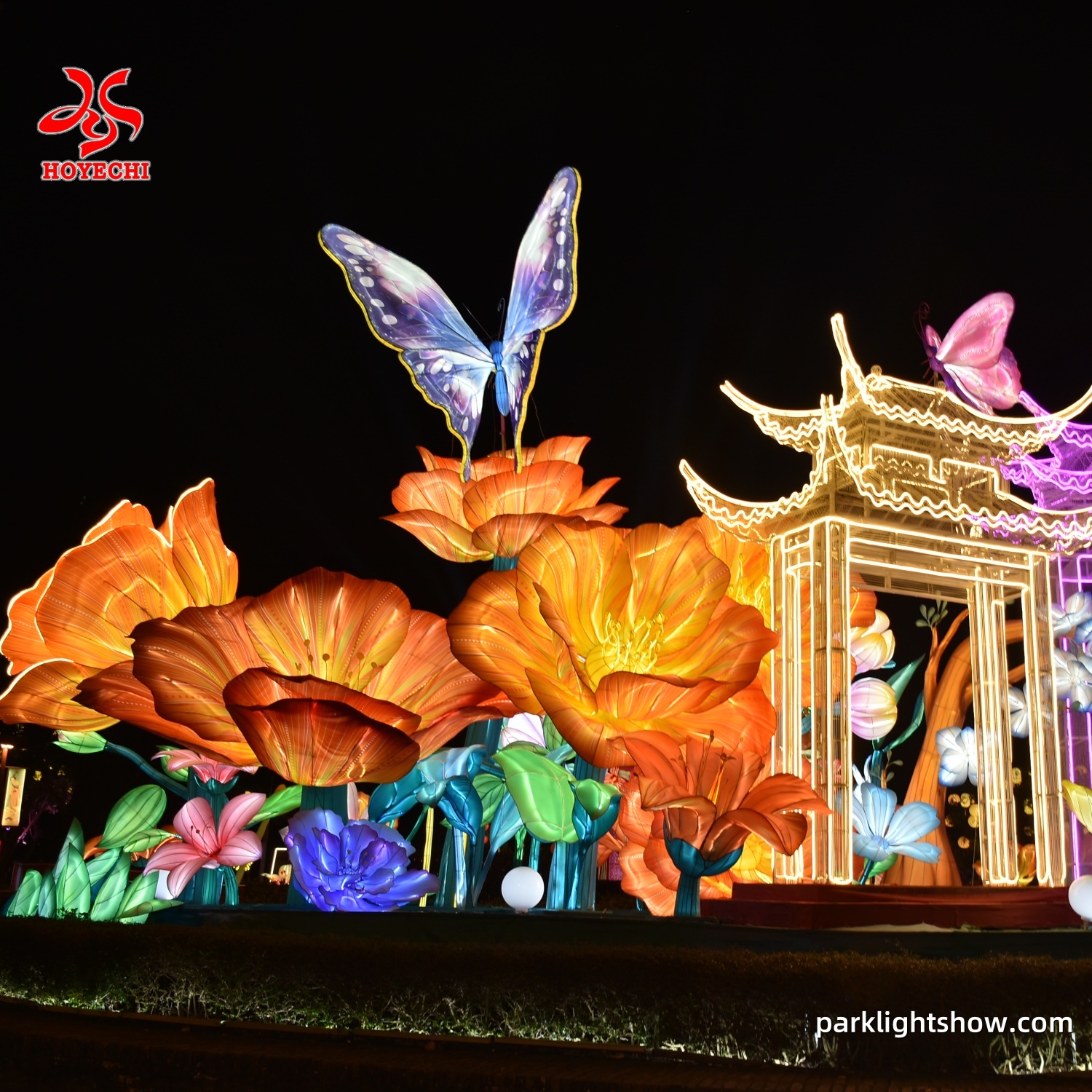
Why Professional Service Teams Matter So Much in Touring Lantern Projects
A touring model works well only when there is a professional team behind it.
Lantern repair is not ordinary maintenance work. It often requires people who understand:
- structure,
- surface craft,
- fabric repair,
- paint restoration,
- lighting systems,
- installation logic,
- and overall visual presentation.
In other words, lantern festivals cannot simply be patched by any general worker. They usually require technicians with real lantern project experience.
This is also why many fixed-site projects run into a practical problem after the first season: it is difficult to keep skilled lantern technicians permanently based at a single venue.
In a touring model, the professional team moves with the project. Instead of waiting for problems to accumulate, maintenance happens continuously between venues.
That is why the real foundation of touring is not “moving displays around.” It is continuous operation, professional maintenance, and ongoing monetization.
What Types of Lantern Festival Content Are Better for Touring?
Not every lantern installation needs to tour. But the following project types are usually better suited to a touring model:
1. Dreamlike, fairy-tale, and immersive themed content
These projects rely heavily on first-time excitement and photo sharing, so they usually gain more from exposure to new markets.
2. Seasonal event-style lantern festivals
If the project is designed as a timed attraction rather than a permanent landscape feature, touring is often more practical.
3. Complete route-based visitor experiences
If the lantern show works as a full journey with story scenes, major nodes, and visual transitions, it often has stronger value when presented to fresh audiences in new venues.
4. Projects backed by professional after-sales and repair teams
Without real technical support, a touring model is difficult to sustain at a high standard.
What Types of Lantern Content Are Better for Fixed or Semi-Fixed Installation?
To keep this discussion balanced, it is important to say clearly that not all lantern content must tour.
Some types of content are better suited to fixed or semi-fixed use, such as:
1. Basic seasonal atmosphere lighting
Entry arches, holiday light strings, and standard festival decorations often depend less on one-time surprise value.
2. Landmark-style long-term installations
If a piece is designed as part of a venue’s long-term identity, fixed placement can make more sense.
3. Functional passage or public-space support lighting
If the role of the content is more atmospheric than ticket-driven, fixed use can be practical.
4. Projects designed from the start as permanent landscape support
If the project was never intended to function as a touring attraction, it should not be judged by the same logic as an event-based lantern show.
So the more accurate conclusion is not that lantern festivals can never be fixed. It is that for large themed lantern projects that depend on novelty, emotional impact, and first-visit attraction, long-term fixed installation is often not the best value strategy.
Why Long-Term Fixed Installation Can Reduce Project Value
At first glance, fixed installation seems easier. But in many cases, it is not the stronger long-term business choice.
There are three main reasons:
- freshness declines over time,
- maintenance becomes more difficult without a dedicated professional team,
- and the content misses the chance to create value in new markets.
This often leads to a frustrating result:
- the displays still exist, but attraction is weaker,
- the content still exists, but word-of-mouth slows down,
- the assets still exist, but ticket conversion becomes softer.
So the real question is not only whether the lanterns can still light up. It is whether they can still attract a paying audience.
Conclusion: Lantern Value Lasts Longer with New Venues, New Audiences, and Ongoing Operation
For lantern festival projects, long-term value is never only a question of whether the displays can remain intact.
The more important questions are whether the content can still attract people, whether it can still maintain a strong show condition, and whether it can keep creating value in new markets.
Lantern festivals are not ordinary hard assets. They require physical maintenance, technical repair, and also audience freshness.
For highly themed, dreamlike, and immersive lantern projects, once the mystery fades, repeated demand from the same audience often declines. That is why long-term fixed installation is not always the strongest answer.
In many cases, the more practical path is to finish one venue, carry out professional repair and partial refresh, and then move the content to a new site with a new audience.
That is usually a more realistic and more efficient way to extend lantern festival value.
Because the lasting value of lantern festival content depends not on static storage, but on new venues, new audiences, professional maintenance, and continuous operation.
If you are also comparing fixed installation with other planning options, you may want to read our article on how to plan a successful park lantern show for broader route and project planning ideas.
If your focus is project timing and launch rhythm, our guide on how long it really takes to launch a park lantern show may help you understand the preparation cycle more clearly.
And if you are evaluating cost, scope, and long-term value together, you can also see how much a lantern festival costs for a broader cost breakdown.
FAQ
Can lantern festival displays be reused?
Yes, many lantern festival displays can be reused, but reuse is rarely as simple as storing them and showing them again later. Real reuse usually requires repair, maintenance, and sometimes partial refresh.
How long do lantern festival displays last?
The physical lifespan depends on structure, materials, maintenance, transport conditions, and storage quality. But the commercial lifespan also depends on audience freshness, which can decline sooner than the physical condition.
Do lantern festivals lose attraction if they stay too long in one place?
Often yes, especially for dreamlike, immersive, and highly themed content. Once local visitors have already seen and shared the project, repeat viewing interest can decline.
Is a touring lantern festival better than a fixed lantern installation?
For large event-style lantern festivals that depend on novelty and visual impact, touring is often the stronger model. For permanent decorative lighting or landmark pieces, fixed installation may still make sense.
What is a touring lantern festival?
A touring lantern festival is a project model where the lantern content is shown in one venue, professionally maintained and adjusted, and then moved to another venue to continue generating value with a new audience.
Why is professional maintenance important for lantern festivals?
Because lantern festival repair is not ordinary maintenance. It usually requires technicians who understand structure, surface repair, paint restoration, lighting systems, and visual presentation.
Can lantern festival displays stay outside year-round?
Some decorative lighting systems can remain in place longer, but large themed lantern festival content usually performs better as a seasonal or event-based attraction rather than a permanent year-round installation.
How should lantern festival displays be stored after an event?
Storage should include proper dismantling, protection from moisture and pressure, organization by modules, and technical inspection before future reuse. Poor storage often reduces both appearance quality and future usability.
What kind of lantern festival projects are best for touring?
Touring works especially well for fantasy-themed, fairy-tale, immersive, and seasonal route-based lantern festivals that depend on first-time visual impact and photo-sharing value.
What kind of lantern lighting is better for fixed use?
Basic festival atmosphere lighting, entry features, landmark decorative pieces, and long-term public-space support lighting are often better candidates for fixed or semi-fixed installation.
Post time: Apr-12-2026


