

A successful Lantern Festival is more than decorative lighting. For parks, zoos, city plazas, and commercial districts, it can become a repeatable nighttime attraction that drives ticket sales, sponsorship revenue, and longer visitor stays. Whether you’re planning a Chinese Lantern Festival, a citywide Festival of Lights, an Asian Lantern Festival, a Winter Lantern Festival, or seasonal Chinese New Year Lanterns, the winning formula is the same: a clear goal, a walkable layout, signature photo moments, safe outdoor engineering, and an operations plan that keeps the event running smoothly.
This guide is written for decision-makers who need a Lantern Festival that is buildable, operable, and profitable—without surprises.
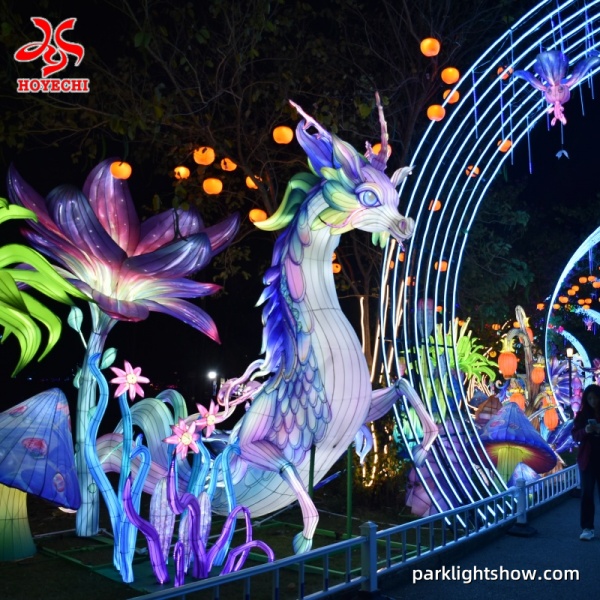
1) Start With the Business Goal, Not the Decorations
Before choosing designs, define the primary outcome. Your goal determines the layout, “wow” density, staffing needs, and ROI path.
Common goals include:
- Off-season traffic growth and nighttime economy (especially for a Winter Lantern Festival)
- A signature seasonal event for the city (Festival of Lights branding)
- Commercial footfall and tenant engagement for malls and districts
- Zoo and family-oriented upgrades that increase dwell time and spend
- A yearly IP that can be refreshed and resold every season
A Lantern Festival becomes profitable when it’s designed like a product: the experience flows, the photo moments are intentional, and the monetization points are built in.
2) Choose a Theme That Is Shareable, Scalable, and Local-Friendly
High-performing themes are easy to understand, naturally photogenic, and flexible enough to upgrade next year.
Reliable theme directions:
- Animals and nature (perfect for parks and zoos; broad appeal)
- Myths, legends, and storytelling zones (strong for destinations and cultural tourism)
- Chinese New Year Lanterns (high seasonal demand; strong marketing hook)
- Winter wonderland (ideal for Winter Lantern Festival traffic during low season)
- Local culture and city identity (best for municipalities and public squares)
A practical rule: if visitors can’t “explain it in one sentence,” they won’t share it. If you can’t refresh it next season, you can’t scale it.
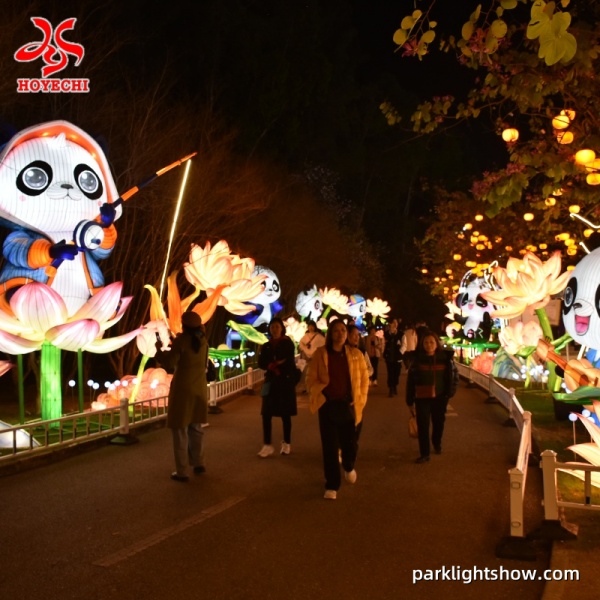
A walk-through Chinese Lantern Festival scene featuring giant panda lantern installations and lotus light sculptures, creating a warm nighttime Festival of Lights experience for park visitors.
3) Layout and Zoning: The Profit Engine of a Lantern Festival
Many events fail not because the lanterns are weak, but because the walk is uncomfortable, the highlights are scattered, and guests leave without spending. Use a proven “Entry–Landmark–Immersion–Interaction–Exit Monetization” structure.
Zone A: Signature Entrance
The entrance sets expectations and becomes the first social post.
- Strong gateway arch or themed façade
- Clear signage and queue-friendly space
- A dedicated “first photo” point that doesn’t block traffic
Zone B: Main Landmark Display
This is the “must-see” centerpiece that becomes your campaign visual.
- One giant lantern installation that defines the entire event
- Designed for wide-angle photos and short-form video
- Positioned where crowds can gather safely and flow onward
Zone C: Walk-Through Immersive Tunnel
A walk-through tunnel or corridor increases perceived value fast.
- High immersion with consistent atmosphere
- Natural crowd guidance and reduced congestion
- Excellent for video content and repeat sharing
Zone D: Interactive Family Area
Interaction doesn’t need to be complex, but it must feel participatory.
- Simple triggers (buttons or sensors), photo props, themed mini-scenes
- A small stage backdrop for shows, character walks, or weekend programming
- Designed for longer dwell time and family engagement
Zone E: Exit Monetization and Sponsorship
This is where ROI becomes real.
- Food and beverage stalls, souvenir shops, branded photo print points
- Sponsor walls, local partner booths, vendor kiosks
- Clear flow from “final wow” to “spend moment”
If you want higher revenue, don’t add more lanterns first—optimize zoning and flow first.
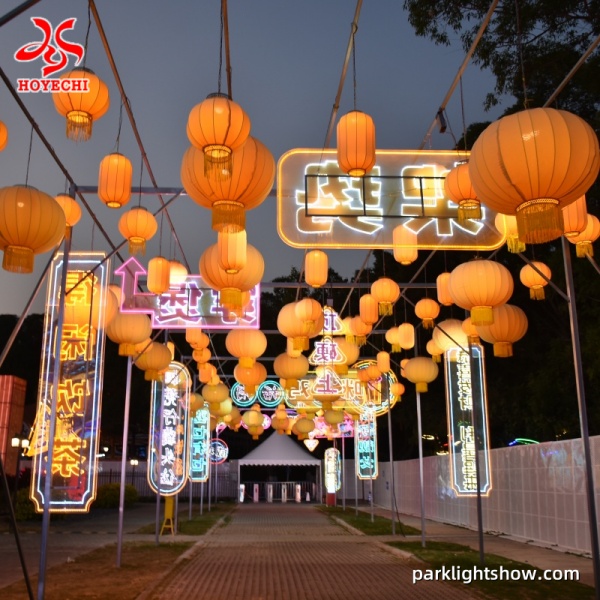
A walk-through lantern tunnel featuring suspended lanterns and glowing signage, creating an immersive Festival of Lights entrance experience for park visitors.
4) A Practical “Highlight Density” Rule That Improves Reviews and Sales
Guests remember events that feel full. The easiest way to deliver that feeling is to build a rhythm:
- Small highlights every short walking segment
- One “big wow” every few minutes
- A new visual style or scene at each major turn
This structure keeps cameras out and phones recording—exactly what drives organic exposure.
5) Budget Structure: What You Should Price Clearly to Avoid Surprises
Decision-makers don’t want vague estimates. A professional Lantern Festival plan breaks costs into predictable modules:
- Concept and master planning (theme direction, zoning, early visuals)
- Production and structural engineering (frames, finishes, lighting effects)
- Packing and shipping strategy (volume control, protection, container efficiency)
- On-site installation and commissioning (labor, tools, testing, trial run)
- Maintenance plan and spare parts (quick swaps, common wear items)
- Operational support (guest flow suggestions, signage logic, photo points)
Three cost areas that are often underestimated:
- Outdoor stability and wind resistance for large landmarks and gateways
- Maintenance speed during the operating period (downtime kills ROI)
- Wayfinding and crowd flow (poor flow reduces ratings and spending)
6) Timeline and Delivery Phases: How to Hit a Fixed Opening Date
Most clients have a hard deadline: winter season, holiday launch, or city calendar. Plan in phases:
- Project intake and site data review
- Concept layout and preliminary quote
- Detailed design and engineering confirmation
- Production, pre-assembly tests, and quality checks
- Shipping plan and packing optimization
- On-site installation, testing, and trial operation
- Opening support and maintenance readiness
A phase-based plan builds confidence and prevents last-minute scope changes.
7) Outdoor Safety and Reliability: The Non-Negotiables
For parks, plazas, zoos, and outdoor commercial sites, reliability is the foundation of success:
- Weather-ready design and protected cable routing
- Safer power planning appropriate for public environments
- Stable structural support and anti-tip considerations for tall displays
- Protected connections and practical service access for fast repairs
When an event is safe and stable, operations become predictable—and predictable operations produce predictable revenue.
8) Monetization Options: Buyout, Revenue Share, and Annual Refresh
A Lantern Festival becomes a long-term asset when the commercial model fits your venue.
- Buyout: one-time purchase with full ownership for long-term operation
- Revenue share: collaboration model aligned with attendance and ticketing (feasibility depends on site conditions and operations)
- Annual refresh: reuse core structures and upgrade theme elements each season to keep the event “new”
The most scalable path is annual refresh—because you can keep selling while controlling costs.
9) Example Layout for a 10,000 sqm Park Lantern Festival
This is a proven zoning approach for a large venue. Adjust proportions by terrain and crowd capacity.
- Entrance Plaza (5–10%): signature gateway, ticketing, first photo scene
- Landmark Core (15–25%): the main centerpiece, performance/photo capacity
- Immersive Walkway (25–35%): tunnels, arches, corridor scenes, themed transitions
- Interactive Family Zone (10–15%): smaller scenes, light interactivity, rest areas
- Commercial and Sponsor Zone (10–15%): food, retail, sponsor booths, branded activations
- Scenic Buffer and Safety Space (remaining): service access, emergency routing, crowd relief
This structure supports high photo output, comfortable pacing, and strong spend capture.
10) Quick Request Checklist: Copy and Send for a Faster Quote
To receive an accurate plan and pricing, prepare:
- Site map or aerial image with usable area and entrances marked
- Target opening date and operating duration
- Preferred theme direction (animals, winter wonderland, myths, Chinese New Year)
- Power access notes (approximate locations are fine)
- Crowd expectations (peak nights, estimated daily attendance)
- Preferred cooperation model (buyout, annual refresh, or collaboration)
With these inputs, a supplier can propose a layout, a highlight plan, a timeline, and a budget structure that fits your venue.
Frequently Asked Questions
What’s the difference between a Lantern Festival and a Chinese Lantern Festival?
“Lantern Festival” is a broad term for illuminated events. A “Chinese Lantern Festival” emphasizes traditional Chinese lantern craftsmanship and cultural storytelling. Many modern projects blend both with local themes for wider market appeal.
Is a Winter Lantern Festival only for cold regions?
No. Winter events succeed anywhere when they offer strong nighttime atmosphere, comfortable pacing, and reliable operations. Winter simply increases demand for seasonal experiences.
What makes a Festival of Lights profitable?
A profitable event has clear zoning, strong highlight density, safe engineering, smooth crowd flow, and planned monetization (food, retail, sponsors, premium photo points).
Can Chinese New Year lanterns be used beyond the holiday season?
Yes. Modular Chinese New Year lantern elements can be refreshed into broader “Asian Lantern Festival” or cultural nights, improving reuse and long-term value.
What is the fastest way to estimate feasibility?
Provide a site map, your opening date, and your target theme. A preliminary concept layout can quickly determine scope, highlight count, and installation strategy.
Final Takeaway
A Lantern Festival succeeds when it’s designed as an operable attraction—not just a set of lights. With a clear goal, a proven layout, safe outdoor engineering, and a monetization plan, your Chinese Lantern Festival or Winter Festival of Lights can become a signature event that guests share, sponsors support, and visitors return to year after year.
Contact Us
Planning a Lantern Festival, Chinese Lantern Festival, Asian Lantern Festival, Winter Lantern Festival, or Chinese New Year lantern event for your park, zoo, city plaza, or commercial district? Share your site map (or a few photos), usable area, target opening date, and preferred theme. We will respond with a concept layout, highlight plan, timeline suggestions, and a fast quotation.Contact Page: https://www.parklightshow.com/contact-us/Quick Request Checklist (Copy & Send)
-
Site map or aerial photo with entrances and main paths marked
-
Usable area (sqm or acres) and expected peak-night crowd capacity
-
Target opening date and operating duration
-
Preferred theme (animals/pandas, myths & legends, winter wonderland, Chinese New Year, local culture)
-
Power access notes (approximate locations are fine)
-
Cooperation model (buyout, annual refresh, or collaboration)
If you prefer, you can submit the details here: https://www.parklightshow.com/contact-us/
Post time: Feb-06-2026


