

Large Outdoor Lantern Displays: Blending Tradition and Modern Spectacle
1. The Roots and Transformation of Lantern Festivals
Lantern displays have a history of more than two thousand years in East Asia, originally linked to ritual offerings, seasonal festivals, and the expression of good wishes. In China, the Lantern Festival marks the end of the Lunar New Year celebrations; in Japan, glowing paper lamps accompany summer matsuri; in Europe and North America, “light festivals” have grown popular in winter months.
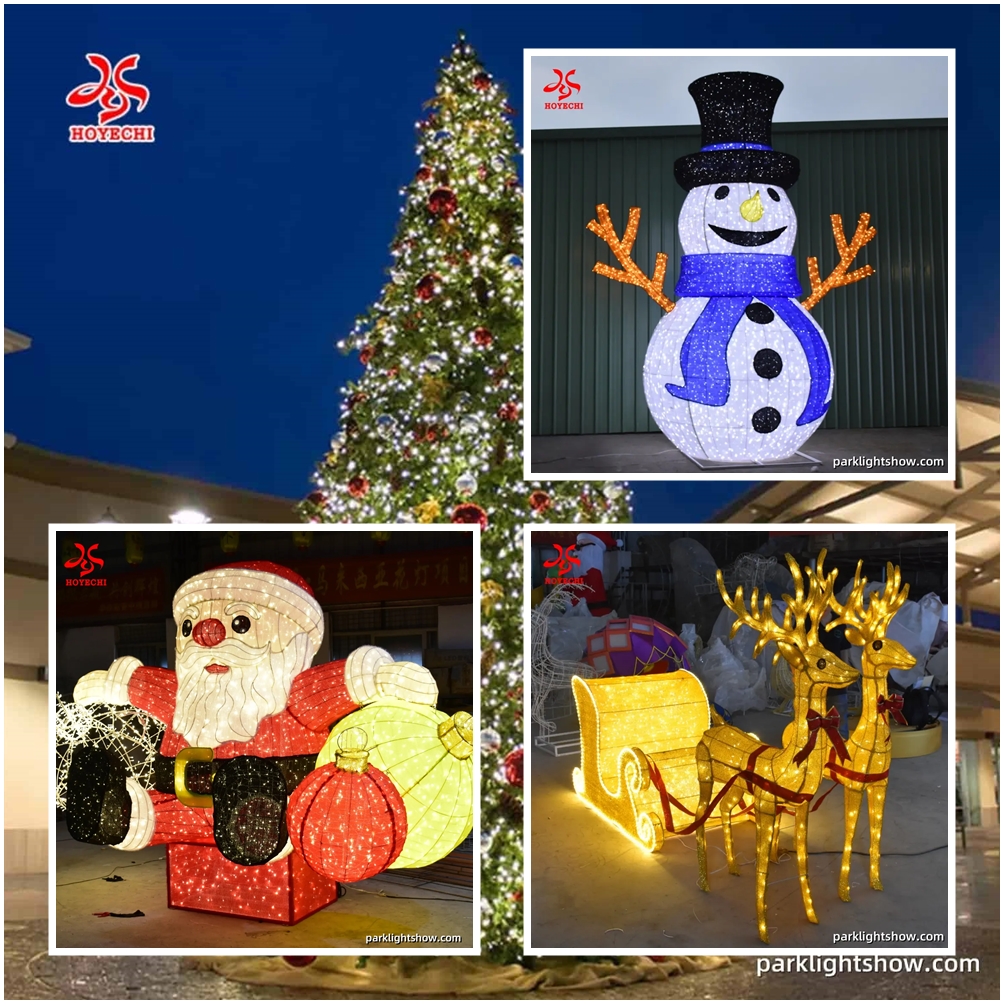
Today’s large outdoor lantern displays are no longer just rows of paper lanterns. They combine folk art, lighting technology, and immersive storytelling. They serve as cultural showcases, tourism magnets, and creative canvases for artists and event organizers worldwide.
2. Signature Features of Large Outdoor Lantern Displays
2.1 Monumental Sculptural Lanterns
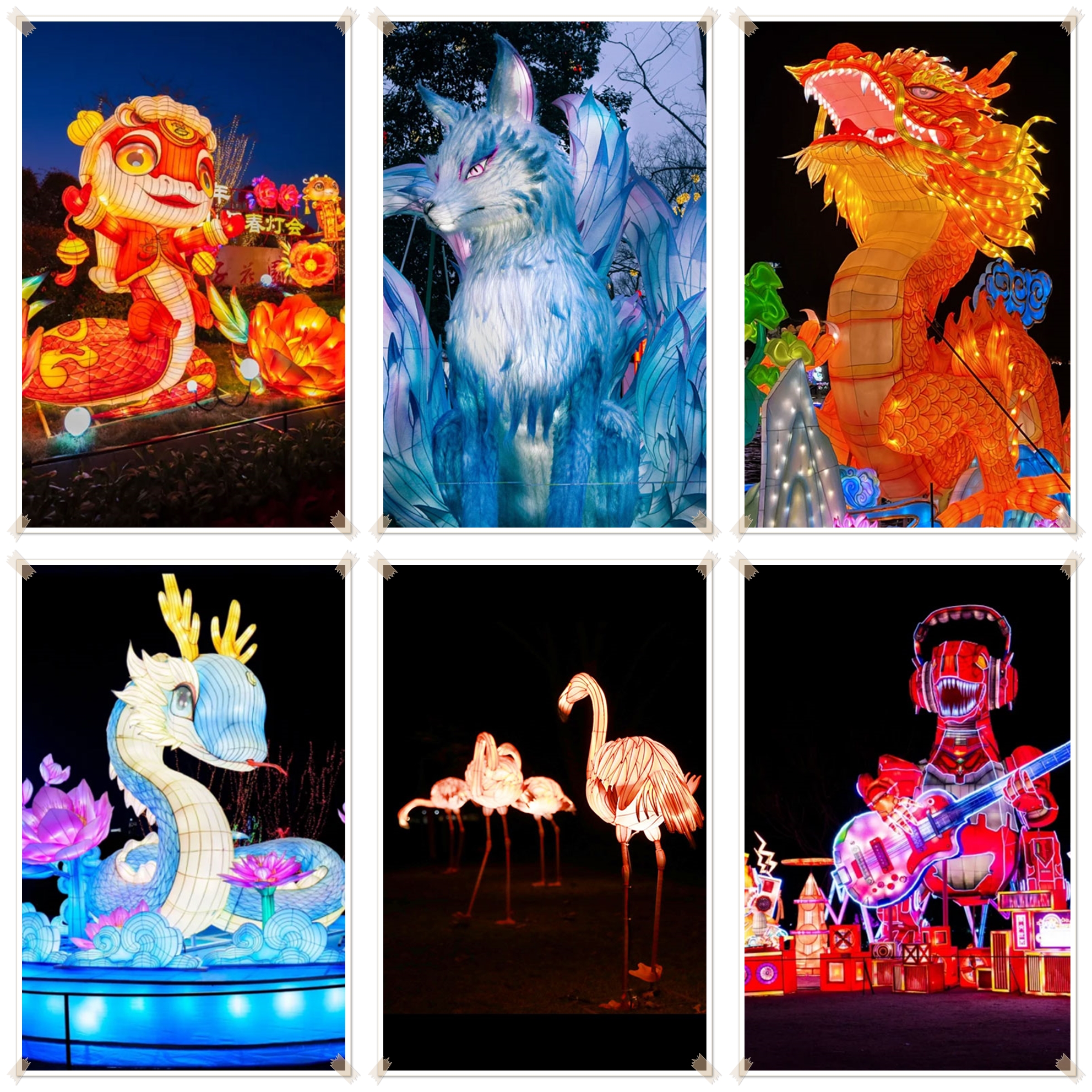
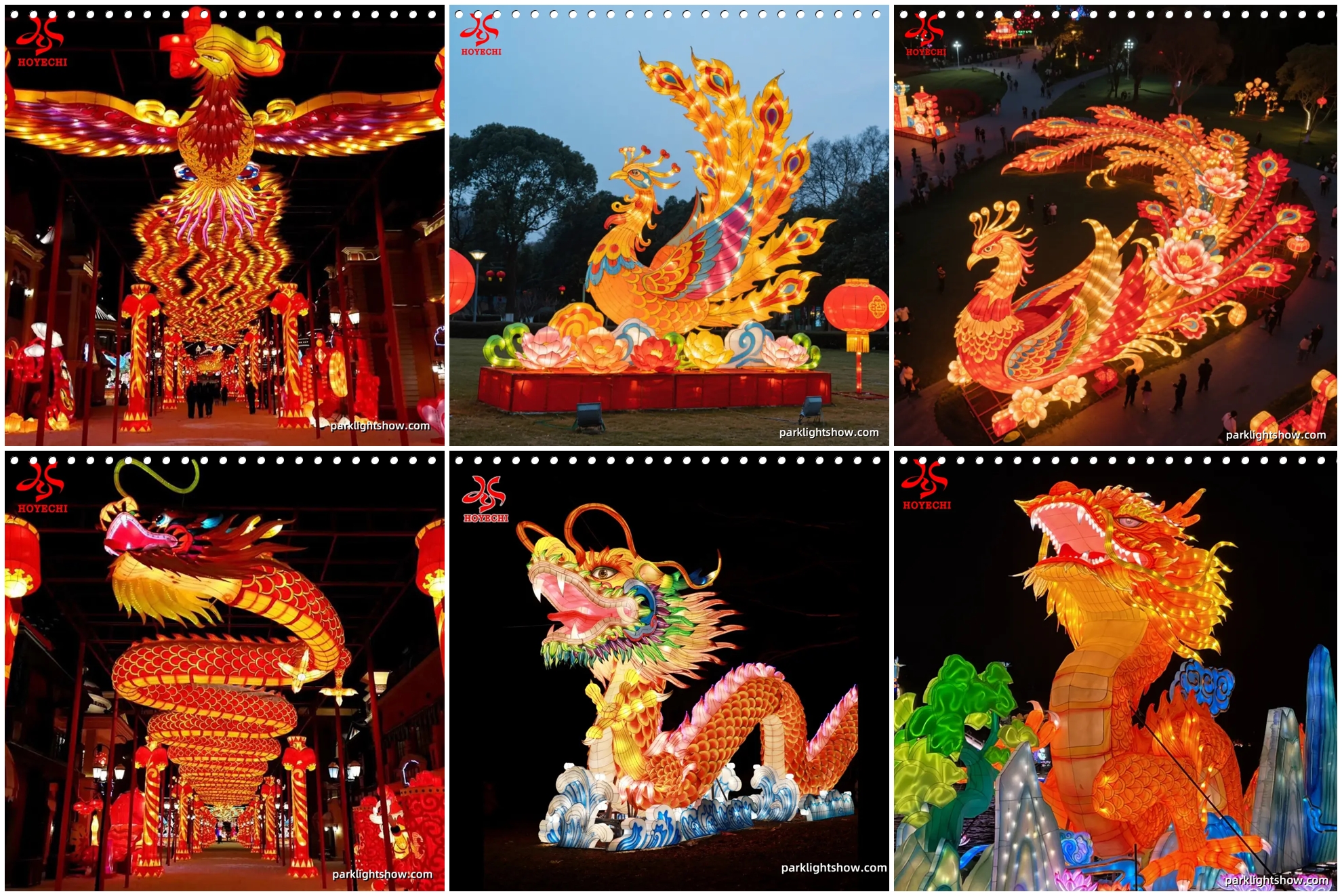
Instead of simple hanging lights, designers build 5- to 15-meter-tall sculptures—dragons, phoenixes, flowers, animals, or even futuristic robots—using steel frames covered with silk, paper, or high-tech translucent fabrics illuminated from within by LEDs.
2.2 Themed Light Walkways
Pathways lined with coordinated lanterns create narrative “journeys.” Visitors might walk through a tunnel of zodiac animals, a corridor of glowing umbrellas, or an archway of jellyfish lanterns that sway gently in the breeze.
2.3 Interactive Projection Lanterns
Newer displays add sensors and projection mapping. As you move or clap, patterns shift, colors change, or soundscapes respond—turning a static lantern into a participatory experience.
2.4 Floating and Water Lanterns
In parks with ponds or rivers, floating lanterns and illuminated lotus flowers produce shimmering reflections. In some places, entire fleets of glowing boats drift across the water for evening shows.
2.5 Storytelling Zones
Many festivals divide the grounds into zones that depict myths or seasons. For example, one area might recreate a Tang-dynasty market street, while another presents an undersea world—all told through giant illuminated tableaux.
2.6 Food and Craft Market Stalls
To complement the lights, organizers set up food stalls selling dumplings, candied fruit, or mulled wine, and booths for lantern-making workshops. This blend of gastronomy, craft, and light draws families and tourists alike.
2.7 Performance and Music Integration
Traditional drumming, dragon dances, or modern light-saber shows run on a schedule, framed by lanterns as backdrops. This creates rhythm and social-media-friendly moments.
3. Designing an Immersive Outdoor Lantern Park
Building a successful lantern park requires both artistry and logistics:
- Master Plan: Start with a central landmark piece, then radiate thematic zones outward so crowds can circulate naturally.
- Narrative Flow: Arrange lantern scenes to tell a coherent story—myth, season, or journey—so visitors feel they’re progressing through chapters.
- Multiple Senses: Add ambient music, subtle scents (incense, flowers, or food), and tactile craft stations to deepen immersion.
- Safety & Sustainability: Use fire-retardant materials, LED lighting to reduce energy use, and modular structures for easy transport and reuse.
- Scheduled Highlights: Plan nightly parades, timed light-and-music shows, or “lantern launches” on the water to create peak moments.
By weaving together heritage, innovation, and experiential design, a large outdoor lantern display can transform a park, waterfront, or city square into a glowing world of color and wonder—delighting locals, attracting visitors, and giving ancient symbolism new life.
Post time: Sep-20-2025


