

When cities plan cultural events, night tourism programs, or large-scale public lighting projects,
they represent a public investment—one that must deliver value, remain controllable,
and stand up to long-term scrutiny.In real-world decision-making, officials are rarely asking whether a lantern festival looks impressive
for a few nights. The deeper questions are far more practical: Will this project genuinely enhance
the city’s image? Is it safe, sustainable, and reusable? Does it create long-term cultural value—or
just short-term excitement?
Does a Lantern Project Truly Enhance City Image—or Just Create Temporary Buzz?
A city’s image is built over time, not overnight. While visual spectacle matters,
a successful lantern project must go beyond surface-level excitement.
It should reflect local identity, cultural context, and civic values.
- Integrates local culture, history, or landmarks into design
- Creates recognizable visual symbols
- Encourages organic social sharing and media exposure
- Fits naturally into the surrounding urban environment
After the Event Ends, Can the Lanterns Be Reused—or Is This a One-Time Cost?
One of the most common concerns among public-sector decision-makers is whether
a lantern project becomes a sunk cost once the event concludes.
Well-planned lantern installations can be reused, adapted, and redeployed for years
when designed with modular structures, durable materials, and flexible themes.
Does the Project Create Long-Term Cultural Value—or Only Short-Term Celebration?
Short-term festivals may attract crowds, but long-term cultural impact is what truly
matters in public projects.
Lantern exhibitions gain lasting significance when they support evolving themes,
encourage community participation, and integrate into broader tourism and night-economy strategies.
Will the Project Cause Light Pollution, Noise Issues, or Resident Complaints?
Public acceptance is essential. Responsible lantern planning includes controlled lighting,
limited operating hours, and proactive communication with surrounding communities.
Can the Project Strengthen the Night Economy and Urban Vitality?
From a government perspective, lantern projects should also support measurable
economic objectives, including increased nighttime foot traffic, longer visitor stays,
and stronger performance of surrounding businesses.

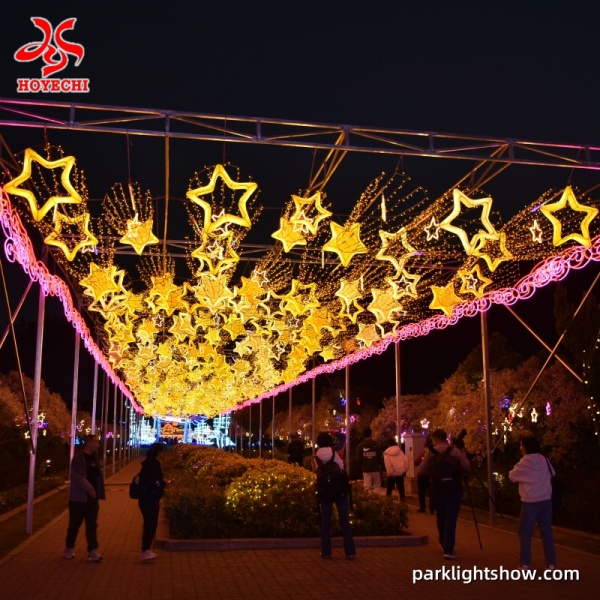
Outdoor Chinese lantern festival installation in urban public space, designed for government cultural tourism and night economy development
Conclusion: Government Decisions Are About Responsibility, Not Just Visual Impact
For public-sector clients, the true measure of a lantern project is not how spectacular
it looks on opening night, but how responsibly it performs over time.
At ParkLightShow, we support government partners worldwide in creating lantern projects
that balance creativity with accountability—projects that serve citizens,
support economic growth, and stand the test of time.
Learn more at www.parklightshow.com
Post time: Jan-08-2026


