

Chinese Dragon Lanterns: Cultural Meaning, Storytelling, and How to Build a Must-Visit Night Festival
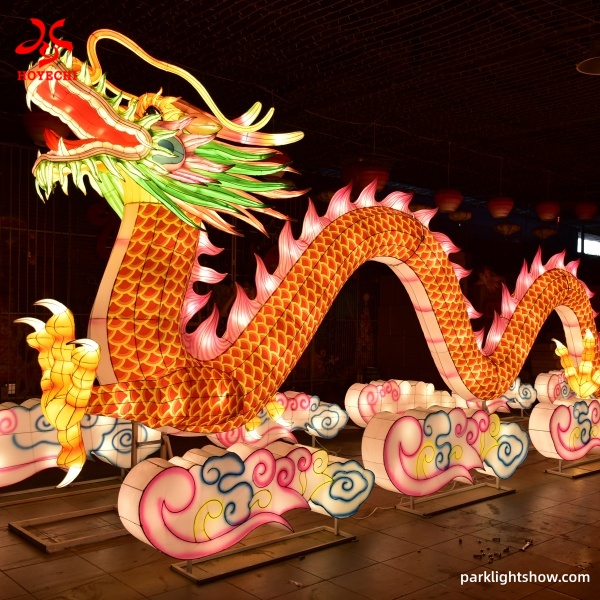
Chinese dragon lanterns are more than “big decorations.” They carry cultural symbolism, create share-worthy night scenes,
and—when planned well—become a centerpiece that elevates city branding, tourism, and seasonal events.
What Do Chinese Dragon Lanterns Symbolize?
In Chinese culture, the dragon represents strength, vitality, protection, and good fortune. That’s why a dragon lantern
instantly communicates “celebration” and “prosperity”—even for audiences who don’t know every detail of the tradition.
In a night festival setting, that symbolism becomes an emotional hook: visitors feel they’re stepping into a story,
not just walking past lights.
For destinations that want a signature landmark—something guests remember, photograph, and talk about—Chinese dragon
lanterns work because they combine scale, movement, and meaning in one iconic form.
Why Cultural Context Matters for Visitor Experience
A lantern festival succeeds when people don’t just “see lights,” but feel a reason to stay longer, explore more, and
return with friends. Culture provides that reason. When the dragon has a narrative—origin, theme, and place-based
connection—visitors slow down, read signage, interact, and share the experience.
Culture-led design is also a safer investment choice. Visual novelty fades quickly; cultural storytelling holds value
across seasons and can be refreshed each year with new chapters, colors, and supporting scenes.
A Simple Storytelling Framework That Makes a Dragon Lantern Unforgettable
If you want your dragon lantern to feel “alive,” start with a story structure that teams can execute and stakeholders
can approve. Here’s a practical framework used in many successful destinations:
1) Theme
Choose a theme that matches the destination identity: coastal vitality, heritage revival, spring renewal, winter wonder,
or “city of light.” This theme guides colors, props, and route layout.
2) Journey
Turn the installation into a short journey: an entrance moment, a centerpiece moment, and a finale moment. The dragon
is the “hero”—supporting lanterns become the “scenes” that lead visitors through the story.
3) Interaction
Add at least one interactive element—sound-reactive lighting, timed lighting sequences, or walk-through arches—so the
story feels participatory, not passive.
4) Local Connection
Link the dragon to the destination: local symbols, colors, civic milestones, or cultural exchange messaging. This is
what transforms “a dragon lantern” into “our dragon lantern.”
How to Keep the Design Culturally Authentic (Without Feeling “Old”)
Cultural authenticity doesn’t mean copying one traditional pattern and repeating it everywhere. It means respecting the
dragon’s cultural language—while shaping it for modern audiences and modern public spaces.
- Proportions and posture: A confident stance and expressive head shape create a stronger presence at night.
- Color logic: Gold and red feel celebratory; cool tones can support modern “city night” aesthetics.
- Detail hierarchy: From far away, silhouette matters; up close, scales and facial details earn attention.
- Lighting choreography: Gentle pulsing, flowing gradients, and timed sequences add “life” without overwhelming viewers.
When culture and engineering work together, the result feels premium: it photographs well, reads clearly at distance,
and holds up as a landmark rather than a disposable seasonal prop.
Programming, Photo Spots, and “Shareability”
Culture sets the meaning; programming sets the momentum. The best dragon lantern projects plan the visitor journey like
a show: where people pause, where they take photos, and how they move through the site.
Photo Spot Strategy
- Hero shot: A clear line of sight to the dragon’s head (best for social photos).
- Scale shot: A wide perspective that shows the dragon against architecture or skyline.
- Close-up shot: A detail zone for face/scales that encourages “wow” reactions.
Programming Ideas That Feel Cultural (Not Commercial)
- Timed lighting “story moments” every 10–15 minutes
- Short cultural interpretation signage (simple, bilingual if needed)
- Family-friendly “dragon trail” stamp or scavenger activity
- Optional performance nights or themed weekends
When visitors feel guided—not rushed—they stay longer, spend more, and share more. That’s how culture becomes measurable
impact.
Planning Checklist for a Culture-Led Chinese Dragon Lantern Project
- Define your goal: city branding, tourism nights, seasonal retail foot traffic, or cultural exchange.
- Pick a theme: one clear sentence that stakeholders can approve.
- Choose the route: entrance → centerpiece → finale, with at least 2 photo nodes.
- Confirm compliance early: structural safety, electrical standards, crowd flow, and accessibility.
- Plan reuse: modular design and storage plan for multi-season ROI.
If you’re planning a dragon lantern attraction and want it to feel culturally meaningful, visually powerful, and
operationally realistic, explore our project approach here:
Chinese dragon lantern project
.
FAQ
Are Chinese dragon lanterns only for Chinese New Year events?
Not at all. They work for city night tourism, cultural exchange festivals, seasonal light shows, and destination landmark
programs—anytime you want a recognizable centerpiece with story value.
How do we make the dragon lantern feel relevant to our city or venue?
Start with a theme tied to local identity (colors, symbols, milestones), then design the supporting scenes and route so
the dragon becomes “your city’s story,” not just a generic installation.
Will visitors understand the cultural meaning?
Yes—if you provide simple interpretation: short signage, guided “story moments,” and a layout that leads people to the
key viewing points. Most visitors don’t need deep knowledge to feel the emotion.
What makes a dragon lantern “shareable” on social media?
A strong silhouette, a clear hero shot (especially the head), lighting choreography, and well-placed photo zones. Good
shareability is designed into the route, not added later.
Can the same dragon lantern be reused in future seasons?
Yes. With modular design and a storage plan, many operators reuse the core centerpiece while refreshing supporting
lanterns or programming—keeping the experience new without rebuilding from scratch.
Post time: Jan-16-2026


