

For many botanical gardens, the beauty of the site is clear during the day, but the evening hours are often underused as a visitor experience and revenue opportunity.
During the daytime, guests may come for seasonal blooms, curated landscapes, educational programs, and the natural rhythm of the garden itself. But after sunset, many botanical gardens still have elegant walking routes, strong visual nodes, and spaces that are ideal for strolling, yet they often lack a clear reason for visitors to stay or return at night.
This is exactly where a lantern festival can be especially valuable. It is not simply about placing lights inside a garden. It is about reorganizing the botanical garden at night into an immersive experience that is better suited to photography, seasonal outings, family visits, and longer stays.
From real project experience, a lantern festival in a botanical garden can work not only as a festive atmosphere upgrade, but also as an independent ticketed seasonal nighttime event. This is especially meaningful during post-bloom periods, slower months, holiday seasons, or times when the venue needs a stronger evening attraction.
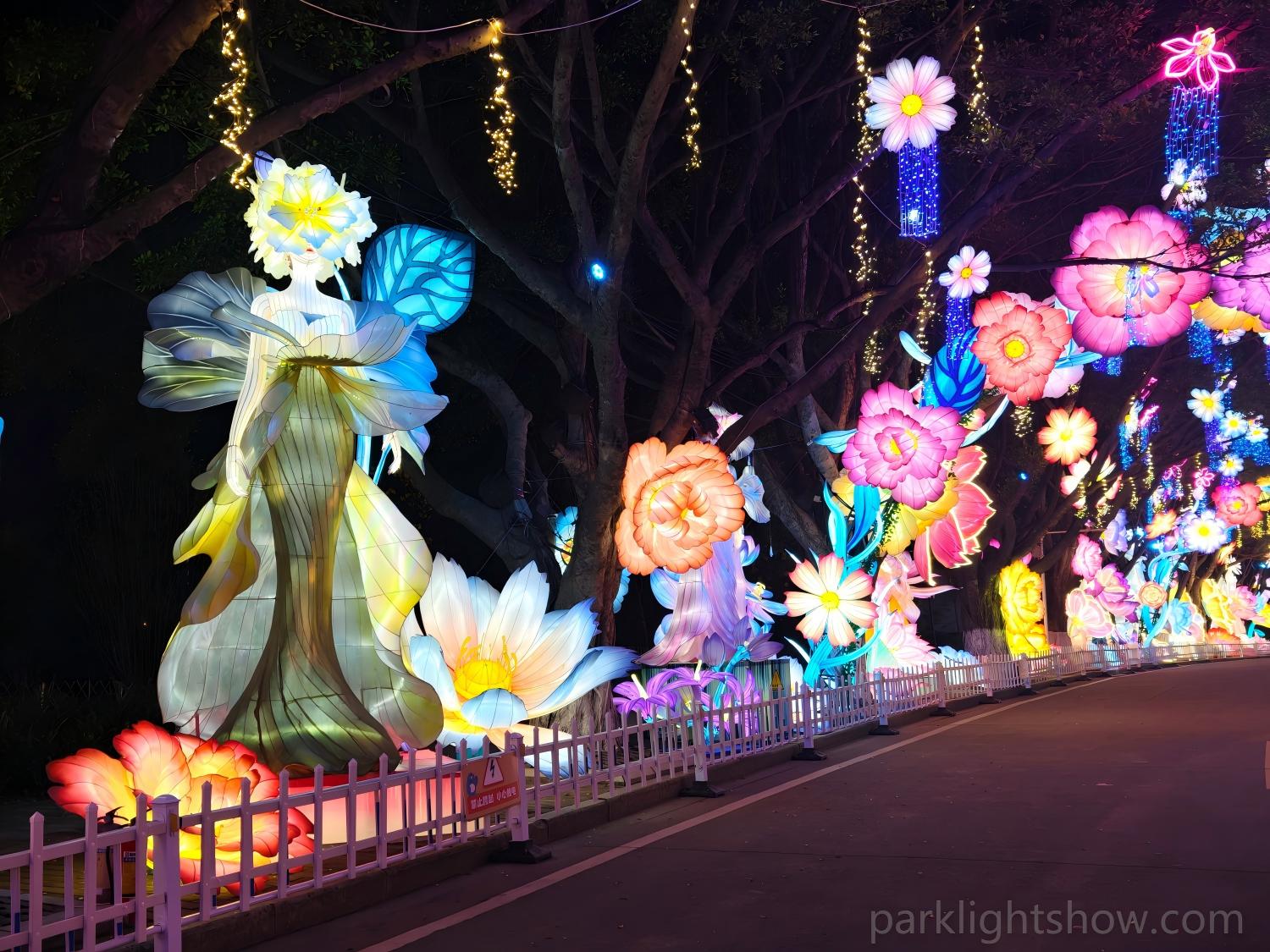
For botanical gardens, however, the most important question is not how large the festival should be. The more important question is this: How can the lantern festival work naturally with the garden, rather than overpower it?
That is why botanical garden lantern festivals are usually better suited to a landscape-integrated, dreamlike, and photo-friendly approach, rather than a dense, fully covered, high-intensity visual takeover.
In practical first-phase projects, it is often more realistic to begin with the main entrance, the primary walking route, and the core garden zone, creating a 30 to 60 minute evening journey instead of trying to activate the entire site at once. This makes it easier to control budget, protect the original garden atmosphere, and highlight the areas that are most suitable for photography and seasonal storytelling.
Why Botanical Gardens Often Have Untapped Evening Potential
Compared with a general public park, a botanical garden already carries stronger built-in landscape value, seasonality, and spatial order.
Even before any lantern content is added, many botanical gardens already offer established walking routes, layered visual scenes, flowers, trees, water features, bridges, greenhouses, or themed garden areas, as well as spaces naturally suited to strolling, pausing, and taking photos.
These qualities already work during the day. At night, they often remain underused simply because there is no clear experience framework to activate them.
Many botanical gardens face similar challenges:
- visitor motivation drops after peak bloom periods,
- daytime scenery remains strong while nighttime programming stays weak,
- holiday periods need stronger content support,
- the venue is ideal for walking but lacks a defined evening attraction,
- and the site has beauty and structure, but not yet a ticketed nighttime product.
From an operational point of view, this does not mean the botanical garden has no evening value. It usually means that its existing landscape resources have not yet been repackaged into a complete nighttime experience.
A lantern festival can help bridge that gap. It allows the garden to activate what it already has, without changing the core identity of the site.
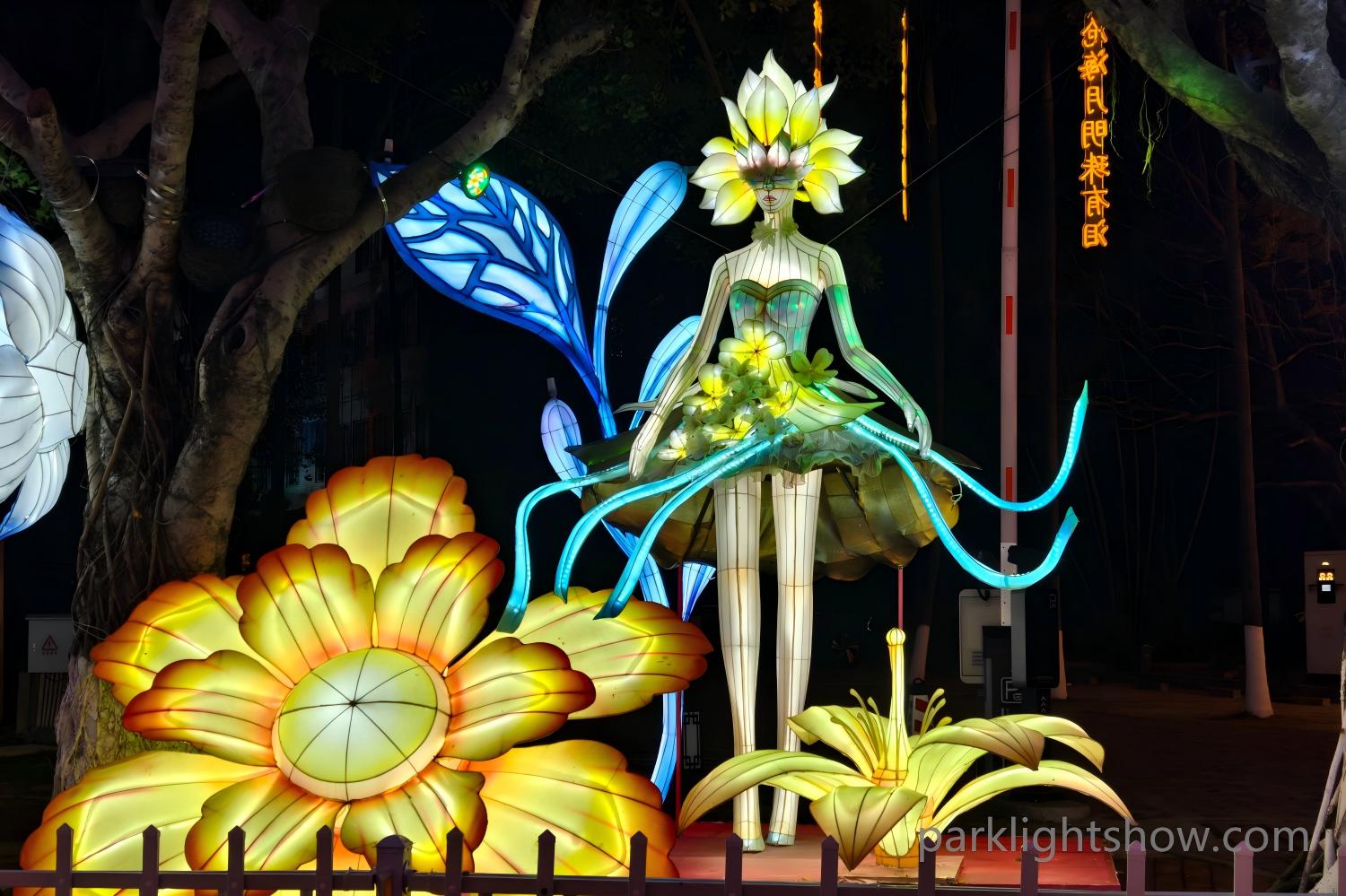
Why Lantern Festivals Fit Botanical Gardens So Well
1. Botanical Gardens Already Have Mature Walking Routes
Many botanical gardens already have clear main paths, side routes, entry sequences, and signature visual points. This means a lantern festival does not need to invent the visitor journey from scratch. Instead, it can work with the existing circulation and turn it into a nighttime route.
This is especially helpful for first-phase projects because a clear route usually means easier visitor sequencing, easier placement of entrance features and key installations, more manageable experience length, and a stronger sense of a complete nighttime walk.
2. Botanical Gardens Are Naturally Suitable for Landscape-Integrated Festivals
Unlike a generic outdoor site, a botanical garden’s greatest asset is the landscape itself.
That means the most effective lantern festival is usually not one that covers up the garden, but one that amplifies it. In practical terms, this often means using flowers and planting areas as atmospheric extensions, working with trees, water, bridges, and garden structures, placing lantern nodes where they enhance the landscape rhythm, and allowing lighting to feel like a continuation of the garden instead of a competing visual system.
In this sense, a botanical garden lantern festival works best as a nighttime amplifier of existing beauty, not a replacement for it.
3. Botanical Gardens Naturally Support Dreamlike and Photo-Friendly Atmosphere
Compared with more functional outdoor spaces, botanical gardens are naturally better suited to a dreamlike mood, gentle evening walks, floral atmosphere, romantic nighttime scenes, and highly photogenic visitor experiences.
This matters because today’s visitors do not only want to see lanterns. They want to experience a place that feels worth photographing, sharing, and remembering.
That is why botanical garden lantern festivals are especially well suited to floral and nature-based themes, dreamlike illuminated pathways, seasonal photo opportunities, and immersive scenes designed for social sharing.
4. Lantern Festivals Can Extend Value Beyond Peak Bloom Season
Many botanical gardens see their strongest attendance during bloom periods, special exhibitions, or ideal weather windows.
One of the strongest advantages of a lantern festival is that it can continue to give visitors a reason to come even after the peak bloom calendar has passed.
In other words, the value of a lantern festival is not limited to the moment when the flowers are at their best. It can also help the botanical garden remain attractive during post-bloom periods, slower months, holiday seasons, off-season weekends, and evening hours that would otherwise remain quiet.
For a venue that depends heavily on seasonal rhythm, this is a very practical advantage.
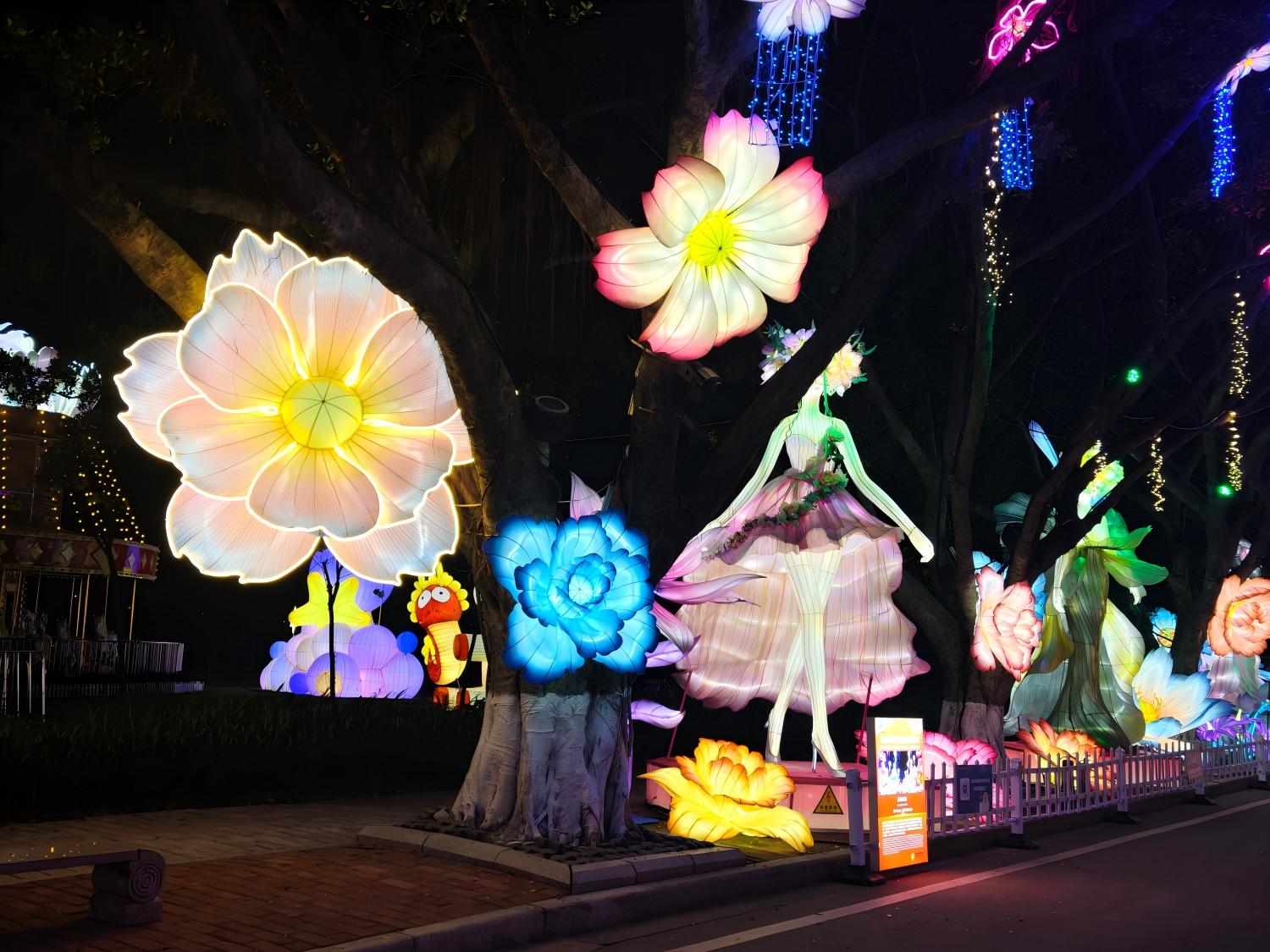
A Lantern Festival Is Not Just Decoration. It Turns a Daytime Garden into a Nighttime Attraction.
If a botanical garden simply adds a number of lantern displays, the result may only feel like seasonal decoration. But if the project is planned around route design, visual rhythm, photo nodes, dwell time, ticket logic, and nighttime atmosphere, then it becomes something much more valuable: a true evening product.
A botanical garden lantern festival with real operational value usually pays attention to whether the nighttime entry feels special, whether the route supports a relaxed walking experience, whether the original landscape is enhanced rather than hidden, whether the nodes create a clear rhythm, whether the experience naturally encourages photo stops, and whether the overall route length is suitable for a ticketed event.
So for botanical gardens, the value of a lantern festival is not simply more lights at night. It is the ability to turn a daytime landscape into a nighttime attraction that supports longer visits, stronger sharing, and real seasonal revenue.
How a Botanical Garden Lantern Festival Differs from a General Park Event
1. Botanical Gardens Must Protect the Original Landscape Character
A general public park may be more flexible with large-scale visual coverage, major showpieces, or stronger festive takeover. A botanical garden is more sensitive.
The most common concerns are whether the lighting will affect the original plant scenery, whether the garden atmosphere will be damaged, whether lantern displays will feel visually abrupt, and whether the nighttime content will overpower the garden’s own beauty.
That is why botanical garden lantern festivals should usually be designed for integration, not domination. The lantern content should extend the landscape, not compete with it.
A botanical garden festival is usually more effective when it relies on selected nodes, visual rhythm, and landscape integration, rather than dense coverage and oversized installations that flatten the original garden character.
2. Botanical Gardens Usually Work Better with Selected Zones, Not Full-Site Coverage
In real project execution, a botanical garden does not usually need a full-site first phase.
A more practical approach is often to start with the main entrance plaza, the primary walking route, the signature garden zone, lakeside or water-feature areas, and the most photo-friendly scenic nodes.
This approach makes it easier to create the strongest part of the nighttime experience first, while keeping scale, budget, and operational pressure under better control.
3. Botanical Gardens Are Especially Suited to Photo-Driven Routes
A general park event may focus more on public celebration, coverage, or festive scale. A botanical garden lantern festival usually works better when it emphasizes strolling, dreamlike atmosphere, photo-sharing, and visual harmony with the garden.
Because botanical gardens are already spaces where people slow down, pause, and observe, the value often lies not in the number of lantern groups, but in the quality of the route and the memorability of the visual nodes.
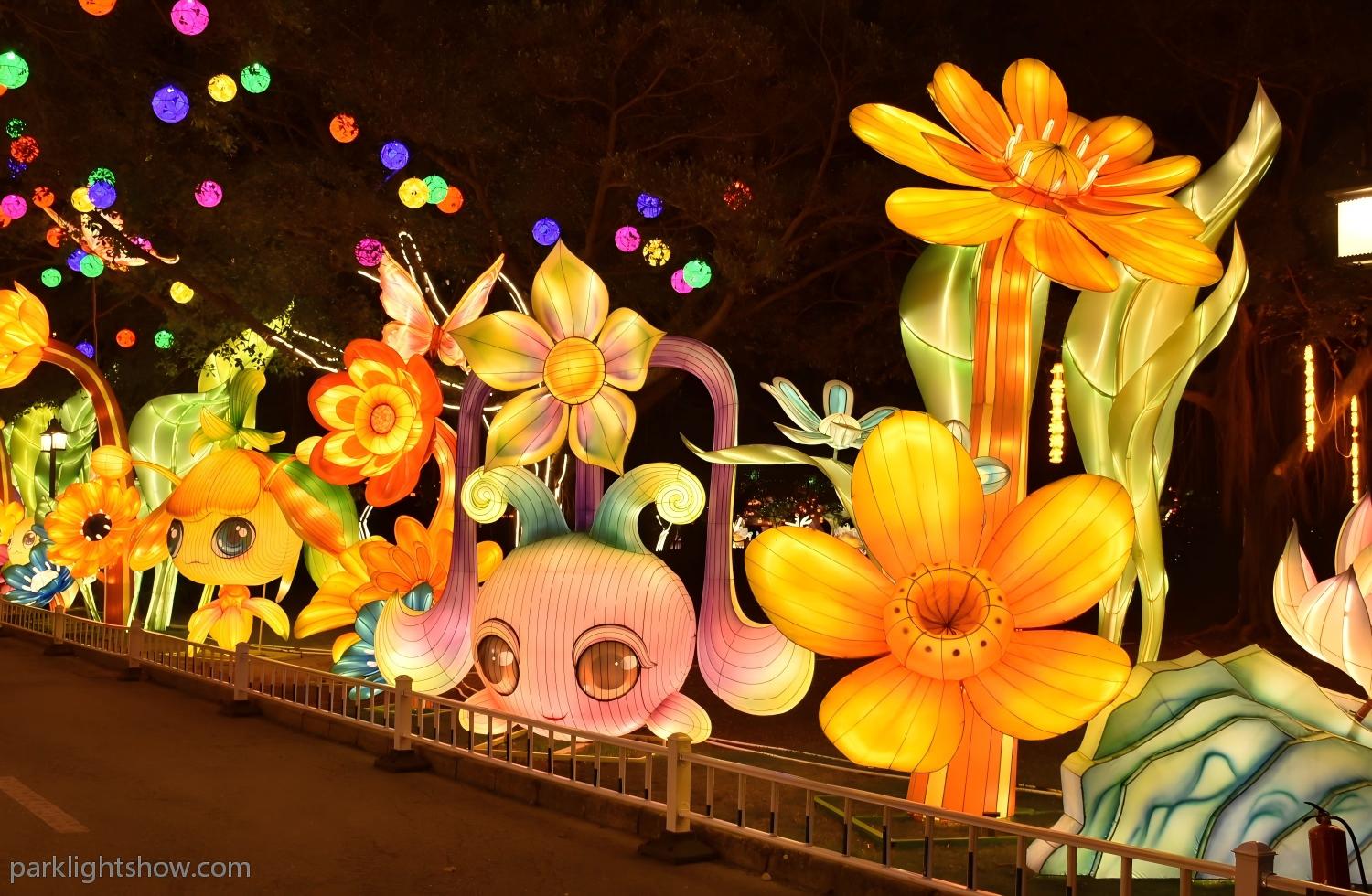
How Lantern Festivals Can Extend Evening Visits and Seasonal Revenue
1. Giving Visitors a Reason to Come Beyond Peak Bloom
Many botanical gardens enjoy strong traffic during bloom season, but visitor motivation often weakens after that. One of the biggest advantages of a lantern festival is that it creates a new reason to visit even when the natural bloom cycle is no longer at its strongest.
2. Turning a Daytime Garden into an Evening Destination
Once the nighttime route is activated, the botanical garden is no longer only a daytime scenic venue. It can also become a seasonal evening destination, a family outing location, a date-night setting, a photo and social-sharing venue, and a ticketed nighttime attraction.
This greatly expands the operating potential of the site.
3. Creating a Ticketed Seasonal Product
Botanical garden lantern festivals can absolutely work as ticketed events. This matters because it means the value is not limited to atmosphere or general attraction. It also includes direct revenue opportunity.
This is especially realistic during holiday periods, the transition between flower seasons, cities with strong night tourism demand, and gardens that already have baseline visibility or audience.
4. Increasing Dwell Time and Secondary Spending
Once a well-structured evening route is established, visitors are less likely to rush through. When dreamlike atmosphere, floral integration, reflections, and photo nodes are handled well, guests are more willing to slow down, stay longer, and engage more deeply.
This often creates stronger opportunities for longer visit duration, evening food and beverage spending, retail and souvenir sales, and a stronger sense of ticket value.
5. Expanding Social Media Visibility
Botanical garden lantern festivals are especially well suited to photo-driven sharing. The combination of flowers, pathways, water features, garden structures, and nighttime lighting can produce dreamlike scenes that are highly effective for photos and short-form video.
That kind of visibility is not just a branding benefit. It can become a practical driver of seasonal revenue.
6. Revenue Is Not Only About the Ticket
For botanical gardens, the financial value of a lantern festival is not limited to admission alone. A well-designed event can also help generate food and beverage revenue, retail and gift sales, stronger holiday-period attention, extended content value after bloom season, and a more resilient seasonal operating model.
That is why the business value of a botanical garden lantern festival is usually broader than simply selling a night ticket. It is about extending the revenue capacity of a space that may otherwise be strongest only during daytime or bloom periods.
How Botanical Gardens Can Start with a Lower-Risk First Phase
Not every botanical garden should begin with a large-scale nighttime event.
For many first-phase projects, a lower-risk test version is the smarter approach.
A practical first-phase format usually means:
- a 30–60 minute route,
- the entrance, main path, and 3 to 5 key scenic nodes,
- a seasonal test edition rather than a full-site permanent rollout,
- strong emphasis on floral integration and dreamlike atmosphere,
- and a route designed primarily for photography and emotional experience, rather than full coverage.
The advantages of this approach are very clear:
- it controls budget more effectively,
- it reduces the risk of disrupting the original garden atmosphere,
- it makes nighttime traffic value easier to test,
- it creates a complete visitor experience within a manageable scope,
- and it makes a future second phase easier to optimize.
For botanical gardens, this is often a much more appropriate first step than trying to activate the entire site at once.
If you are still evaluating venue suitability, you may also find our article on whether a park needs to be large for a lantern show useful. It explains why visitor demand, budget fit, and operational conditions often matter more than total area.
What a Botanical Garden Should Prepare Before Planning a Lantern Festival
If a botanical garden is evaluating a lantern festival project, the clearer the early-stage information is, the more effectively a workable proposal can be developed.
Useful starting materials include:
- the location of the site and nearby population profile,
- total area and the part realistically suitable for evening use,
- a route map for the main entrance plaza, primary walking path, signature garden zone, and lakeside or water-feature areas,
- daytime and nighttime site photos,
- the scenic nodes most suitable for photography and sharing,
- which zones are suitable for evening opening and which are not,
- whether there are bridges, pergolas, water features, greenhouses, or structures that can work with lighting,
- event timing and operating duration,
- whether the event is intended to be ticketed,
- the target audience,
- an approximate budget range,
- and basic power and construction conditions.
Even if the garden cannot yet define the exact number of lantern pieces or the final artistic style, that is not a problem. As long as the main route, core garden areas, key scenic nodes, evening opening scope, ticketing goal, and photo-sharing objective are clear, the first round of planning can already begin productively.
For budgeting and inquiry preparation, you may also want to read our article on how much a lantern festival costs, which explains how site conditions, power supply, timing, and service scope affect total project budgets. For broader planning structure, see how to plan a successful park lantern show.
Conclusion: For Botanical Gardens, a Lantern Festival Is Not Just Illumination. It Is a Nighttime Extension of Landscape Value.
For a botanical garden, the most valuable part of a lantern festival is not simply that the site becomes brighter at night.
Its real value lies in turning daytime landscape space into a nighttime product that can support ticketing, photography, sharing, longer dwell time, and broader seasonal revenue.
That is why botanical gardens are especially suitable for lantern festivals. They already have routes, layered scenery, floral atmosphere, and spaces designed for slow walking. With the right approach, those daytime strengths can be extended into strong nighttime value.
The most successful botanical garden lantern festivals are not necessarily the largest or the fullest. They are the ones that integrate naturally with the existing landscape, create a complete 30–60 minute route, focus on the most meaningful zones, provide strong reasons for photos and sharing, and continue to create value even beyond peak bloom periods.
So the real question for a botanical garden is not: “Should we host a lantern festival?”
The better question is: “What kind of route, node density, and atmosphere design would turn our garden into a nighttime product that is worth visiting, staying for, and paying for?”
FAQ
Are botanical gardens suitable for lantern festivals?
Yes. Botanical gardens are especially well suited to lantern festivals because they already have structured walking routes, layered scenery, water features, plant-based atmosphere, and spaces that naturally support evening strolling and photography.
How is a botanical garden lantern festival different from a general park event?
A botanical garden lantern festival needs to protect the original landscape character. It usually works best with selective nodes, floral integration, dreamlike atmosphere, and photo-friendly routes rather than full-site visual takeover.
Does a botanical garden need to open the entire site for a lantern festival?
Not necessarily. Many first-phase projects work better when they focus on the main entrance, the primary walking route, the signature garden zone, and a few highly photogenic scenic nodes.
Can a botanical garden lantern festival still work after peak bloom season?
Yes. One of the strongest advantages of a lantern festival is that it gives visitors a new reason to come even after the peak bloom calendar has passed, helping the garden extend seasonal relevance.
Can a botanical garden lantern festival be ticketed?
Yes. Botanical garden lantern festivals can function as ticketed seasonal nighttime attractions, especially during holiday periods, post-bloom transitions, and seasons when evening tourism demand is strong.
What should a botanical garden prepare before requesting a lantern festival proposal?
Useful materials include a route map, photos, information on which zones can open at night, nearby population profile, target audience, ticketing goal, approximate budget, and basic power and construction conditions.
Post time: Apr-04-2026


