

When evaluated as complete
Chinese dragon lantern projects,
their financial performance often goes far beyond initial expectations.
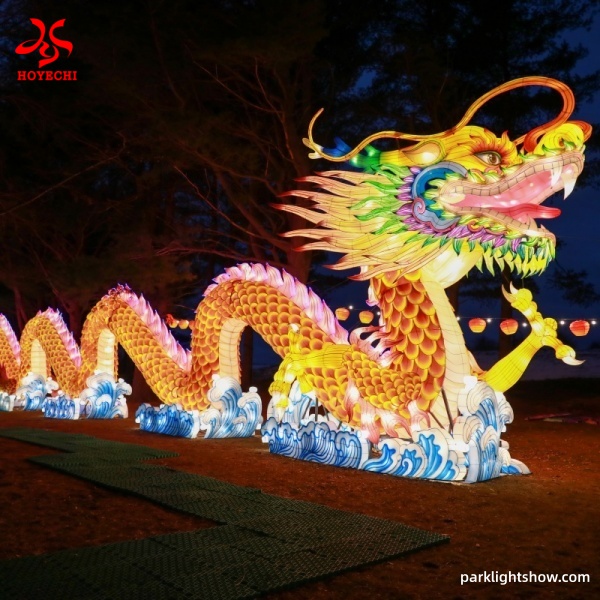
Understanding the Cost Structure
The cost of a dragon lantern project depends on scale, structural complexity, artistic customization, and exhibition duration.
However, unlike disposable decorations or short-term installations, dragon lanterns are engineered as durable assets.
- Design and structural engineering
- Manufacturing craftsmanship and materials
- Transportation and on-site installation
- Optional storage, refurbishment, and maintenance
When viewed holistically, many organizers find that well-planned installations function as
cost-effective Chinese dragon lantern displays,
especially when amortized across multiple seasons or venues.
ROI Through Reuse and Programming
Well-designed chinese dragon lanterns can be reused across multiple festivals, seasonal events,
or even relocated between cities.
Many operators recover their initial investment within one or two exhibition cycles through ticket sales,
sponsorship packages, and increased visitor dwell time.
Projects that perform best typically emphasize:
- A high-visibility centerpiece that anchors the entire exhibition
- Strong photo-sharing appeal for organic social media reach
- Integration with food courts, retail zones, and cultural performances
This reuse-driven model significantly enhances the
long-term investment value of Chinese dragon lanterns,
turning one-time spending into recurring revenue potential.
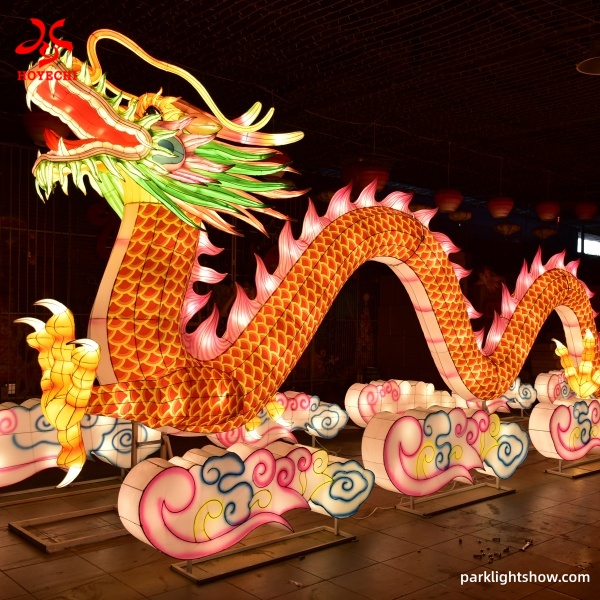
From Expense to Asset
When dragon lanterns are treated as long-term cultural infrastructure rather than seasonal décor,
their role shifts fundamentally.
They become tools for sustained night-time economy growth, destination branding, and repeat visitation.
In many cities,
large-scale dragon lantern installations
are planned as modular systems, allowing sections to be refreshed annually without rebuilding the entire exhibition.
This approach reduces future capital expenditure while keeping the visitor experience fresh.
Their adaptability also makes them ideal
reusable lanterns for night tourism projects,
capable of supporting long-term urban activation strategies rather than short-lived events.


